You have not yet added any article to your bookmarks!
Join 10k+ people to get notified about new posts, news and tips.
Do not worry we don't spam!
Post by : Meena Ariff
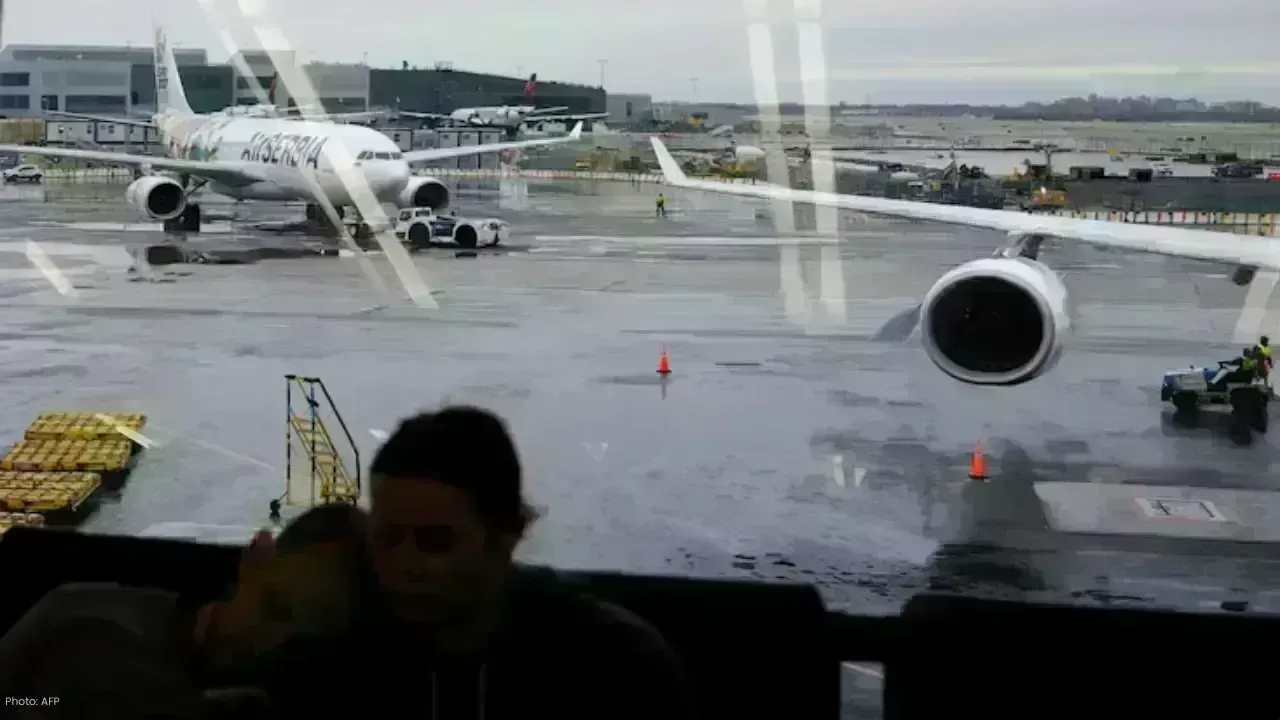
During the busiest travel period of the year, the Christmas holiday season, a powerful winter storm swept across large portions of the United States, causing significant disruptions to both air and road travel. The storm, marked by heavy snowfall and plummeting temperatures, severely impacted the Midwest and Northeast regions, forcing airlines to cancel more than 1,000 flights and delay thousands more.
New York City, known as the country’s largest and busiest travel hub, faced some of the harshest conditions. Meteorologists predicted up to ten inches of snow falling overnight, with temperatures expected to drop below freezing and remain low through the weekend. The severe weather led city officials to declare the roads treacherous. To combat the hazardous conditions, crews were mobilized across the city to clear streets, spread salt, and ensure that essential routes remained passable for emergency services and travelers alike.
Flight tracking data revealed the scale of the disruption by early afternoon on Friday, showing that at least 1,191 flights had been canceled nationwide. Additionally, nearly 4,000 flights were delayed, affecting millions of passengers during a critical travel window. Airports in major cities, especially New York and Chicago, bore the brunt of the storm’s impact. The New York metropolitan area alone accounted for 785 canceled flights, making it one of the hardest-hit regions in terms of air travel cancellations.
The National Weather Service issued warnings about continued snowfall throughout the day in the upper Great Lakes region. The storm was expected to shift its focus towards the Northeast, further complicating travel plans for those returning home after the holidays. Authorities across affected states urged travelers to exercise caution, closely monitor weather updates, and prepare for potential delays or cancellations.
In addition to air travel woes, road conditions deteriorated rapidly. Icy and snow-covered highways, combined with freezing temperatures, created dangerous driving conditions. Officials stressed the importance of avoiding unnecessary travel while the storm was ongoing. Emergency management teams and public works departments remained on high alert, ready to respond to accidents or blocked roads.
The storm is a stark reminder of how winter weather can pose significant challenges to holiday travel across the nation. Travelers were advised to check the status of their flights regularly, allow extra time for journeys, and stay safe by following all weather advisories. As the storm moved through the region, communities braced for continued cold weather and snow accumulation well into the weekend, hoping for a quick return to safer and smoother travel conditions.









PSG Coach Luis Enrique Urges Players to Step Outside Comfort Zone
PSG coach Luis Enrique says players must leave their comfort zone and keep improving as the club tar

China’s Tiangong Sets New 400m Record at Robot Olympics
China’s Tiangong robot sets a new 400m record at the Robot Olympics, beating a South African robot i

George Russell Wins Dutch GP Sprint, Boosts Mercedes Morale
George Russell wins the Dutch GP Sprint from pole as Mercedes teammate Kimi Antonelli extends his F1

Australia 50/3 After Bangladesh Bowled Out for 64 in Second Test
Australia reached 50/3 after Bangladesh were bowled out for 64 in the second Test, with Mitchell Sta

Jordan Burroughs Returns to Wrestling with 2028 Olympic Dream
Jordan Burroughs returns to wrestling with Real American Freestyle as the Olympic champion eyes a po

Lamborghini Catches Fire on Singapore's ECP, Causing Heavy Traffic
A Lamborghini caught fire on Singapore's ECP, causing heavy traffic and bus delays. No injuries were