You have not yet added any article to your bookmarks!
Join 10k+ people to get notified about new posts, news and tips.
Do not worry we don't spam!
Post by : Samjeet Ariff
In recent years, the manner in which consumers make payments for goods and services has transformed extensively. Factors like digital payment options, contactless technology, mobile wallets, and growing e-commerce have propelled credit cards to the forefront, while the utilization of cash is diminishing in various regions. Nevertheless, cash remains an essential payment method in specific circumstances and geographical locations. This guide elucidates the contemporary usage of credit cards versus cash, the trends influencing payment preferences worldwide, and the rationale behind varying levels of card dominance based on location and purchase type.
Credit cards provide users with the ability to borrow money from a financial institution for purchases, granting the option for later repayment, rewards accumulation, and credit history enhancement. In contrast, cash serves as tangible currency used directly at points of sale without intermediaries, checks, or electronic systems involved. Both methods possess unique advantages that remain relevant today.
In most high-income nations, payments using cards—especially credit and debit—have become predominant in both in-store and online transactions. Innovations such as contactless cards, tap-to-pay capabilities, mobile wallets, and integrated payment solutions have made card payments the preferred choice due to their convenience and efficiency. Moreover, the COVID-19 pandemic has further expedited the transition to digital and card payments because of hygiene concerns and inclination to minimize contact with cash.
Credit cards are favored for many reasons:
In numerous developed settings, credit cards have emerged as the go-to payment method for groceries, dining, travel, and bills.
Despite the increasing popularity of card payments, cash retains significant relevance in various contexts:
Globally, card-based and digital payments now surpass cash in both retail and online environments, particularly in urban and affluent areas. Recent surveys highlight that:
Card transactions have outstripped cash for everyday purchases in numerous regions.
Mobile wallets and contactless payment options are expanding rapidly, often linked to cards.
Most online shopping transactions predominantly involve credit or debit cards.
Daily retail: Cards are commonly used where terminals are available.
Online shopping: Exclusively relies on credit or debit cards.
Small vendors/markets: Cash remains widely accepted.
Dining: Larger establishments prefer card payments; however, smaller cafes may favor cash.
Taxis/public transport: Card acceptance is rising, yet cash is still used in some areas.
Credit cards offer superior protection from fraud alongside straightforward dispute resolution methods. In cases of loss or theft, cards can be blocked; unauthorized charges are typically reversible, while cash, once lost, cannot be recovered. This security advantage promotes card usage, particularly for significant expenditures.
Cash feels more tangible, causing individuals to be more cautious about spending when they see physical currency leaving their hands. Conversely, credit usage, especially with credit cards, may detach spending from the immediate cost and lead to unwarranted expenditures. Individual budgeting practices will determine the effectiveness of either method.
The pandemic hastened the decline of cash and the uptick in contactless payment methods. Numerous retailers minimized cash transactions for hygiene purposes, steering consumers toward card and digital wallet options.
Digital wallets (like Apple Pay and Google Pay), alongside buy-now-pay-later services and QR code usage, blur the lines between card and cash payments as they provide card-like ease without the need for physical cards. Overall, these advancements lean towards card-friendly systems.
Credit cards are suitable for their security features, loyalty rewards, and online shopping benefits, particularly in urban or developed environments. Cash remains advantageous for small vendors, gratuities, and in settings without reliable electronic payment systems.
When journeying, it’s advisable to have a combination of cards and local currency. While cards are generally accepted in urban settings, cash remains critical for market visits, tipping, and travel in remote areas. Always investigate local payment tendencies prior to your travels.
Although global cash usage is on a downward trajectory, it is expected to remain a fallback option and play a role in informal economies. Card and digital payments are anticipated to evolve as infrastructure, mobile engagement, and contactless technologies continue to progress.
The information contained herein is intended for informational purposes only. Payment dynamics and statistical insights can vary across different countries and economic landscapes. Always keep local customs in mind when organizing your finances or travel plans.








Lamborghini Catches Fire on Singapore's ECP, Causing Heavy Traffic
A Lamborghini caught fire on Singapore's ECP, causing heavy traffic and bus delays. No injuries were
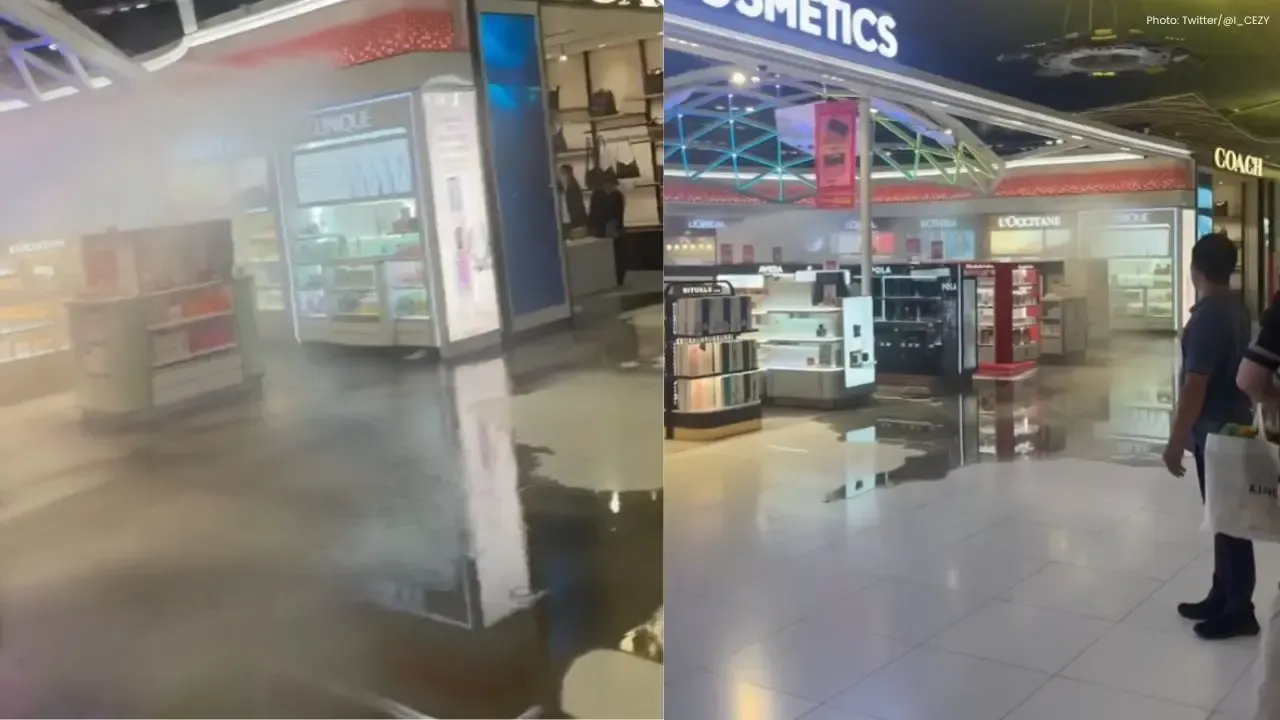
Bangkok Airport Duty-Free Area Flooded by Pipe Burst
A burst water pipe flooded the duty-free shopping area at Bangkok's Suvarnabhumi Airport on July 16,
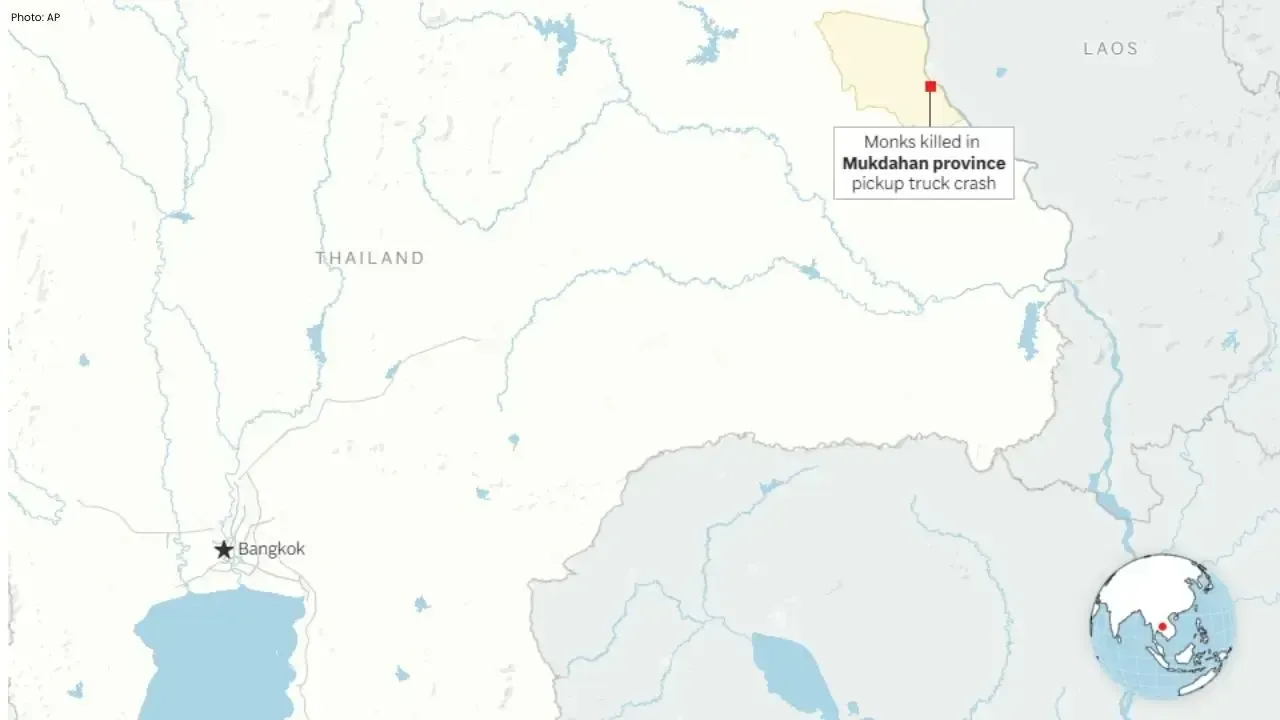
Nine Monks Killed in Thailand Pickup Truck Tragedy
An 11-year-old boy driving a pickup truck crashed into monks during a pilgrimage in northeastern Tha

Anwar Congratulates Xi on CPC's 105th Anniversary
Malaysia reaffirms strong ties with China as PM Anwar Ibrahim sends a congratulatory letter to Presi

Thai Agriculture Team Reviews 2026 Farm Development Plans
Agriculture Ministry officials inspected livestock and organic rice projects in Nakhon Sawan to moni

Thailand, Canada Boost Ties in PM-Level Phone Talks
Thailand and Canada agreed to strengthen trade, security, OECD cooperation and ASEAN-Canada FTA talk