
You have not yet added any article to your bookmarks!
Join 10k+ people to get notified about new posts, news and tips.
Do not worry we don't spam!
Post by : Samjeet Ariff
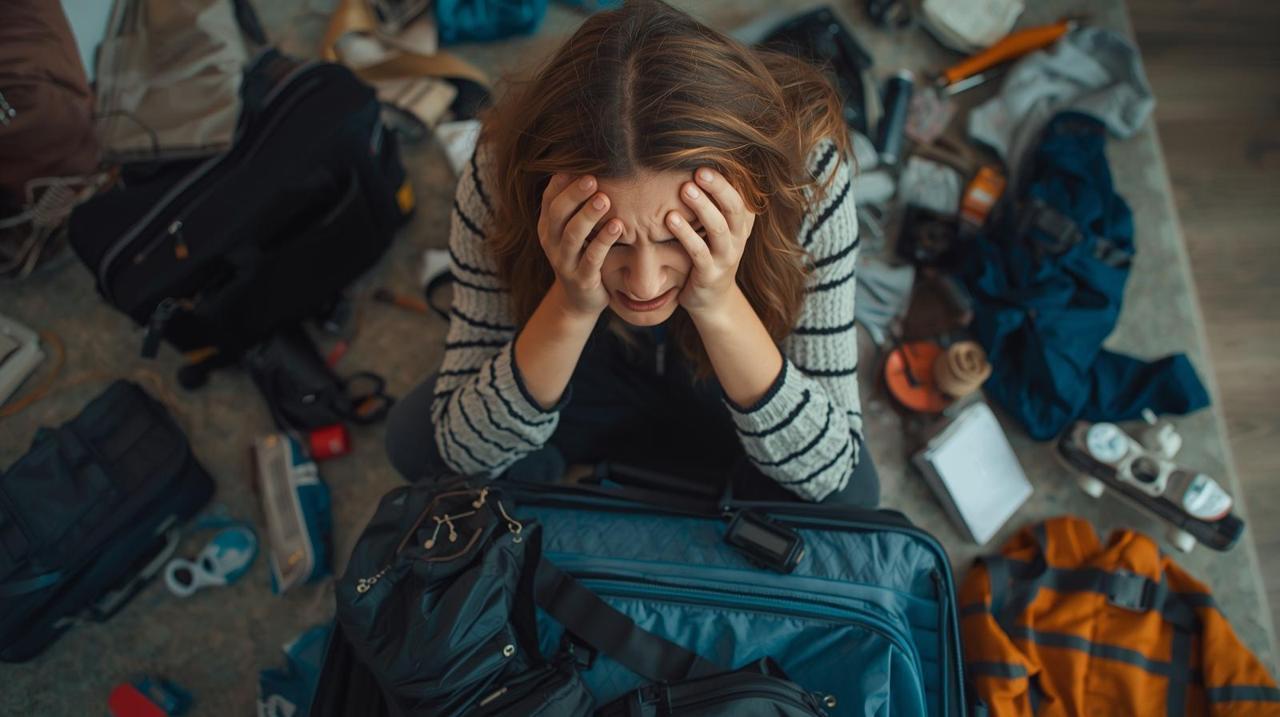
Traveling can be daunting for many individuals, as it often brings feelings of anxiety, stress, or uncertainty. Whether it’s the fear of flying, navigating unfamiliar areas, or managing unpredictable situations, travel anxiety can hinder the enjoyment of your adventures. Fortunately, with effective strategies, you can cultivate genuine confidence, even if you’re typically a nervous traveler.
Many people experience travel anxiety as a result of unpredictability. You’re stepping outside your comfort zone, facing new environments, and depending on unfamiliar schedules and systems, which can trigger stress responses such as overthinking, restlessness, or even physical symptoms. Understanding these triggers can make managing your anxiety more manageable.
One of the best methods to alleviate travel anxiety is through preparation. Knowing what to expect helps your mind feel more secure and in control.
Compile a checklist for essentials like travel documents, tickets, medications, chargers, clothing, and personal items. This minimizes the chances of forgetting something crucial.
Organizing your itinerary—including transport schedules, accommodation details, and local maps—helps create a predictable experience, thereby reducing surprises.
Anxiety often stems from uncertainty about a new destination. Research can help develop familiarity before you arrive.
Learn about the local transport system, cultural expectations, weather conditions, emergency contacts, and notable tourist attractions. Viewing photographs, reading travel reviews, and watching videos can all contribute to a sense of control. The more you understand, the fewer unknowns you will face.
Many travelers find that anxiety escalates in airports, train stations, or on flights. Simple breathing exercises can provide immediate relief.
Consider trying slow breathing: inhale for four seconds, hold for two, exhale for six. This can help signal to your body that it’s time to relax.
Keeping calming tools on hand—like soothing music, guided meditations, or comforting objects—can also ease stressful moments.
Bringing small comforts can vastly improve your experience. Pack items that help you feel centered, such as a beloved book, favorite snacks, a travel pillow, or calming herbal teas.
These familiar items can replace anxiety with reassurance during long journeys or within unfamiliar surroundings.
Confidence develops gradually through successful experiences. If travel induces nervousness, start with smaller trips.
Consider a one-day outing first. Then, try a weekend trip. Gradually increase distance and complexity. Each success reinforces the message: “I can manage this.” Over time, these achievements build enduring confidence.
If you’re not traveling solo, share your feelings with your companions. This openness allows them to provide support.
Knowing that someone else understands your anxiety can make a significant difference. They might assist with navigation, share responsibilities, or help distract you during stressful times.
While limited research is beneficial, excessive information can heighten anxiety, especially when exploring negative travel narratives or overwhelming advice. Keep your research practical and concise.
Stick to reliable sources and steer clear of emotionally charged content that may exacerbate your worries.
Anxiety can skew focus toward worst-case outcomes. Instead, shift your thoughts to what excites you—delicious food, stunning landscapes, unforgettable experiences, or interactions with new people.
Jot down aspects you genuinely look forward to; this can help pivot your mindset from fear to anticipation.
For some travelers, distance from home can evoke uneasiness. Plan regular check-ins with friends or family.
A brief message or call can restore a sense of grounding. Knowing that help is accessible if you need it adds emotional security during your travels.
Your body’s state can influence the severity of travel anxiety. Ensure that you’re well-rested, hydrated, and nourished.
Opt for light meals before flying, drink sufficient water, and limit caffeine as it can aggravate anxiety symptoms.
A balanced body supports a calm mind.
Rushing is a major trigger for travel-related stress. Plan to arrive early at airports, bus stations, or train platforms.
Giving yourself extra time allows you to navigate each step without pressure. It also creates opportunities to breathe, adjust, and calmly immerse in the experience.
Even seasoned travelers encounter delays, unexpected changes, or confusion. Rather than fearing imperfections, remind yourself that they are part of the journey. You don’t require perfect circumstances to have a fulfilling experience.
With experience, you’ll learn to adapt—this adaptability often becomes one of your greatest assets.
Disclaimer: The information provided in this article is intended to offer general guidance regarding travel-related anxiety and should not replace professional medical or psychological advice. If you experience severe or persistent anxiety, it’s advisable to seek support from a mental health professional.






Hyundai raises profit target, expands hybrid lineup in the US
Hyundai hybrid cars get a major boost as the automaker raises its profit margin target and plans new

Josh Kerr and Jakob Ingebrigtsen Set for 1,500m Rivalry Rematch
Josh Kerr and Jakob Ingebrigtsen will renew their 1,500m rivalry at the Ultimate Championship in Bud

PSG Coach Luis Enrique Urges Players to Step Outside Comfort Zone
PSG coach Luis Enrique says players must leave their comfort zone and keep improving as the club tar

China’s Tiangong Sets New 400m Record at Robot Olympics
China’s Tiangong robot sets a new 400m record at the Robot Olympics, beating a South African robot i

George Russell Wins Dutch GP Sprint, Boosts Mercedes Morale
George Russell wins the Dutch GP Sprint from pole as Mercedes teammate Kimi Antonelli extends his F1

Australia 50/3 After Bangladesh Bowled Out for 64 in Second Test
Australia reached 50/3 after Bangladesh were bowled out for 64 in the second Test, with Mitchell Sta

