
You have not yet added any article to your bookmarks!
Join 10k+ people to get notified about new posts, news and tips.
Do not worry we don't spam!
Post by : Anis Farhan
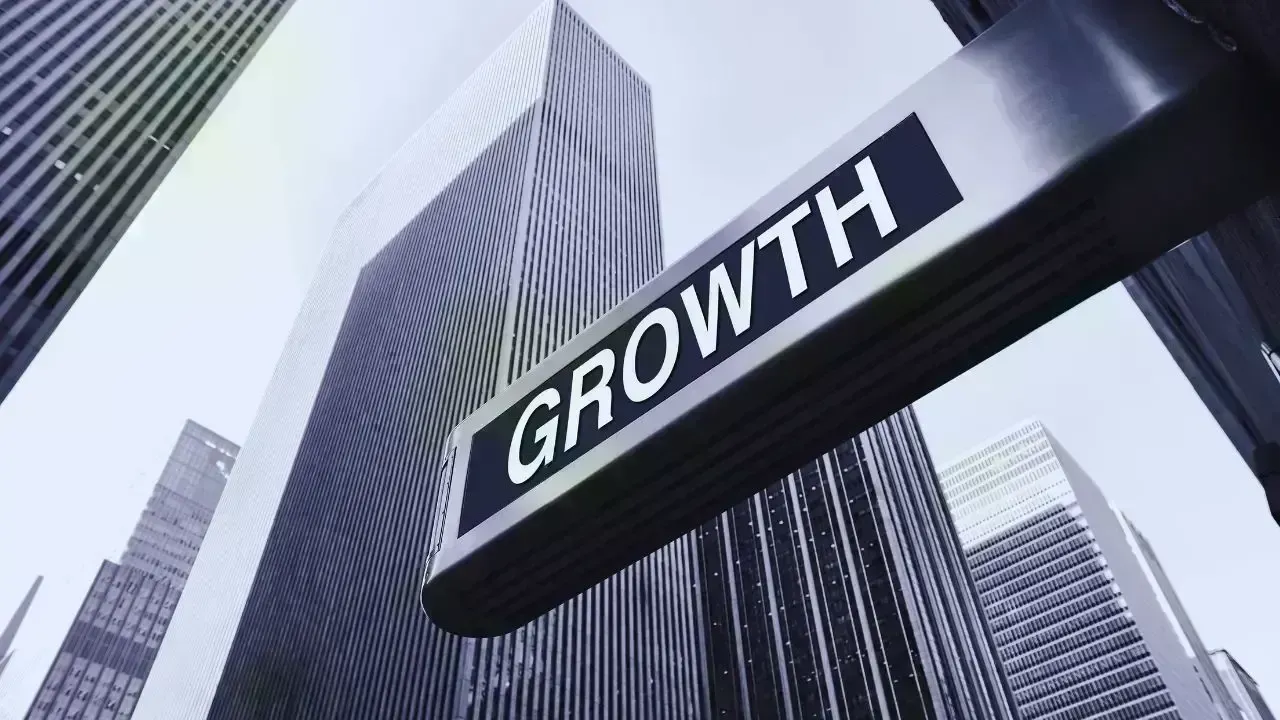
For years, middle-class families across India have lived with a familiar contradiction. Salaries went up slowly, but prices ran faster. Groceries grew costlier, rent pushed higher, school fees ballooned, and healthcare bills landed unannounced. Growth statistics sounded impressive, yet personal budgets kept stretching thin.
Now, headlines suggest something unusual—a period where the economy is expanding while inflation is cooling. Wages are not racing ahead, but they aren’t falling behind either. Fuel is not jumping every week, food prices appear less wild, and interest rates show signs of pausing.
Naturally, families are asking:
Is this finally our moment?
Are we entering a phase where income grows faster than expenses?
Or is this just another temporary illusion before prices surge again?
This article cuts through optimism and fear to explain whether the middle class is truly entering a period of relief—or simply catching its breath before the next climb.
When an economy grows, demand rises. When demand rises, prices usually follow. That’s why inflation often accompanies growth. More money chases the same number of goods.
So when growth rises without inflation rising alongside it, economists pay attention. It suggests:
Productivity is improving
Supply chains are functioning
Demand is healthy but not overheated
Policy control is working
It’s like running faster without gasping for air. Uncommon, but not impossible.
Inflation is not an abstract concept. It appears in:
Monthly grocery spending
School fee hikes
House rent renegotiations
Fuel receipts
Electricity bills
When inflation slows—even marginally—it gives families:
Budget predictability
Emotional relief
More room to save
Fewer financial shocks
Reduced inflation does not mean prices fall. It means they stop rising aggressively. And after years of cost escalation, stability itself feels like a victory.
Harvest cycles have been relatively steady, reducing volatility in essential commodities. Better logistics and digital supply management have limited extreme spikes.
Oil and industrial raw materials are no longer in panic mode. Global markets are calmer, easing import pressure.
Before inflation softened, tighter interest rates slowed borrowing and excess spending. That restraint is now showing impact.
Controlled government expenditure and targeted subsidy delivery have helped prevent inflation from flaring uncontrollably.
Policy framework support from institutions like the Reserve Bank of India has been instrumental in guiding inflation downward without choking growth.
Factories are not just assembling—they are producing. Domestic manufacturing is picking up in electronics, automobiles, defence equipment, and renewable energy components.
Digital services, finance, healthcare, and education are spreading into smaller towns, creating economic activity beyond metros.
Public infrastructure and private capital are aligning. Roads, ports, rail corridors, and telecom upgrades are laying foundations rather than just announcing ambition.
Global agencies such as the International Monetary Fund now classify India as one of the major long-term growth drivers in the international economy.
Companies do not raise salaries just because inflation dips. But:
Lower inflation stabilises employer costs
Predictable markets encourage hiring
Profit margins grow when expenses settle
Negotiations strengthen when conditions are stable
The real benefit is not instant increase—it is security.
And economic security is how salary growth eventually begins.
What feels like inflation control in one household may still feel expensive in another.
Urban renters feel pressure longer.
Families paying school fees notice cost jumps sooner.
Health insurance impacts budgets sharply.
Transport costs hurt daily commuters more.
So while inflation may be softer, cost of living still varies widely.
Property prices move slowly. When they rise, they rarely come down.
Even when inflation eases:
Property remains a safe investment
Demand stays strong
Land is limited
Rental markets heat up before prices soften
So middle-class families may still feel stressed by housing costs, even when everyday inflation relaxes.
Professional sectors are seeing increments again. Entry-level hiring is improving. Small businesses are recovering demand. Consumer confidence is stabilising.
But the gap between income growth and cost growth still exists—it is just not widening as fast.
For the first time in years, some families are not falling behind every month. That itself is meaningful.
Growth without inflation is not a new normal—it is a phase.
It lasts as long as:
Supply keeps up with demand
Commodity prices stay stable
Currency remains resilient
Policy discipline holds
Global stability persists
Any major disruption—oil shock, currency crisis, weather failure—can disturb equilibrium.
Think of it as calm weather, not climate change.
Stability tempts lifestyle expansion. But this phase should be used for conditioning, not indulgence.
Clear loans with steep interest while rates are manageable.
Three to six months of household expenses provide stability.
Just because income rises doesn’t mean expenses must.
Markets grow best during confidence, not chaos.
Avoid concentration risk. Spread across assets.
Lower inflation often leads to softer interest rates over time. This reduces returns on deposits and increases appeal of investments.
Middle-class savers face a choice:
Safety vs growth
Deposit comfort vs market participation
Balanced portfolios matter more now than ever.
When markets grow:
Job mobility improves
Hiring confidence grows
Companies experiment
Skill demand expands
Those who upskill during this phase rise faster when competition resumes.
During crises, people act cautiously. During comfort, people overspend.
The middle class often feels pressure not from poverty but from aspiration:
Bigger homes
Better cars
Extra subscriptions
Lifestyle comparison
Smart finance is not about having more.
It is about needing less.
People:
Overborrow
Overinvest
Overspend
The economy may be improving—but individual ruin often begins with overconfidence.
It returns when:
Commodity prices surge
Currencies weaken
Supply shocks emerge
Demand overheats
The key is readiness, not fear.
Better than before:
Digital billing
Budgeting apps
Investment access
Financial content awareness
Insurance coverage
The middle class today is not wealthier everywhere—but definitely wiser.
Yes—but only if it is used wisely.
Yes—if families:
Strengthen savings
Reduce debt
Improve skills
Invest sensibly
Avoid lifestyle inflation
No—if this phase is treated as a permission slip to overspend.
This is not a time to celebrate.
This is a time to prepare.
Because calm economic waters are when strong ships are built.
This article is for general informational purposes only and does not constitute financial, legal, or investment advice. Readers should consult qualified professionals before making financial decisions based on economic trends or personal circumstances.








Josh Kerr and Jakob Ingebrigtsen Set for 1,500m Rivalry Rematch
Josh Kerr and Jakob Ingebrigtsen will renew their 1,500m rivalry at the Ultimate Championship in Bud

PSG Coach Luis Enrique Urges Players to Step Outside Comfort Zone
PSG coach Luis Enrique says players must leave their comfort zone and keep improving as the club tar

China’s Tiangong Sets New 400m Record at Robot Olympics
China’s Tiangong robot sets a new 400m record at the Robot Olympics, beating a South African robot i

George Russell Wins Dutch GP Sprint, Boosts Mercedes Morale
George Russell wins the Dutch GP Sprint from pole as Mercedes teammate Kimi Antonelli extends his F1

Australia 50/3 After Bangladesh Bowled Out for 64 in Second Test
Australia reached 50/3 after Bangladesh were bowled out for 64 in the second Test, with Mitchell Sta

Jordan Burroughs Returns to Wrestling with 2028 Olympic Dream
Jordan Burroughs returns to wrestling with Real American Freestyle as the Olympic champion eyes a po

