You have not yet added any article to your bookmarks!
Join 10k+ people to get notified about new posts, news and tips.
Do not worry we don't spam!
Post by : Badri Ariffin
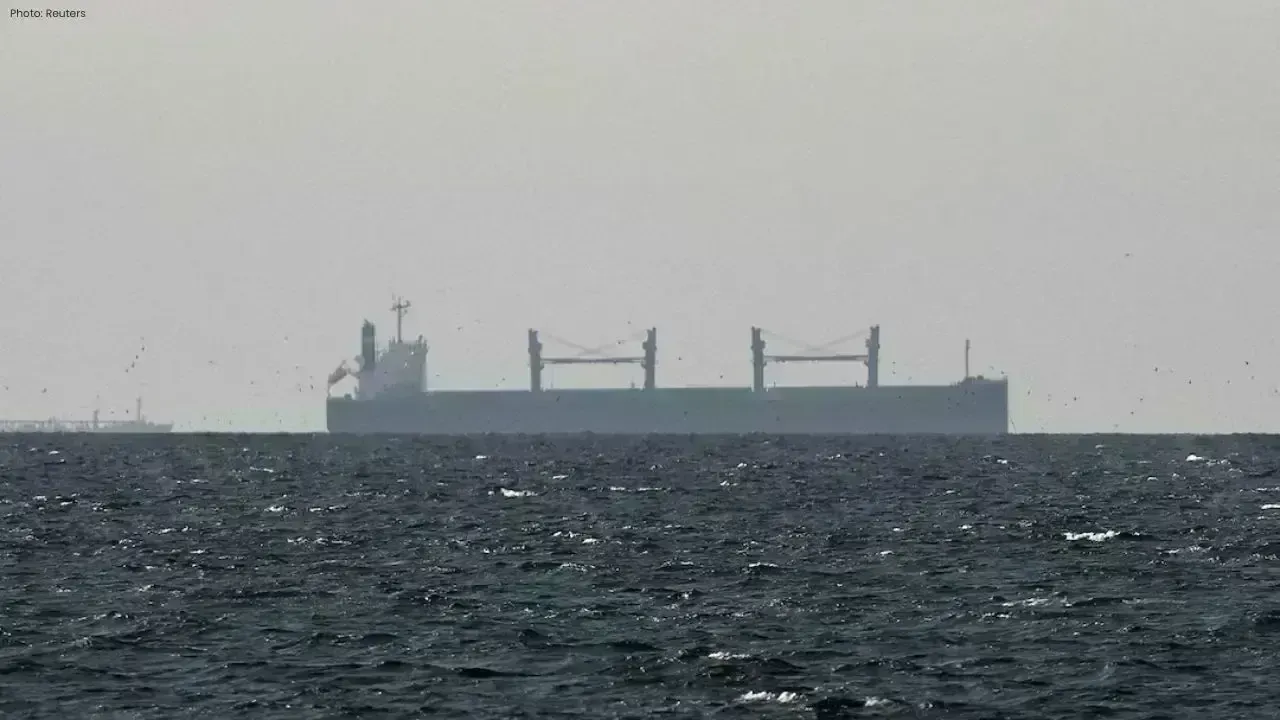
A critical virtual conference on Thursday saw more than 40 U.S. allies come together to discuss the escalating situation in the Strait of Hormuz, a key artery for global energy trade impacted by ongoing Iranian conflicts.
This meeting, spearheaded by the United Kingdom, included representatives from Europe, the Middle East, Asia, as well as Australia and Canada. The primary agenda focused on exploring diplomatic channels with Tehran and implementing coordinated sanctions should Iran continue to obstruct this strategic waterway.
The dialogue underscored the mounting international alarm regarding the conflict's impact, particularly with uncertainties surrounding U.S. President Donald Trump’s future actions. Many attendees voiced concerns that the U.S. might pull back without a solid plan to restore safe navigation through the Hormuz.
It was emphasized that any negotiations for a potential ceasefire with Iran must ensure a clear path toward reopening the Hormuz route, crucial for global oil transportation. The discussions also highlighted that allied nations might need to take independent action should U.S. involvement decrease.
The meeting reflected rising tensions within NATO, following President Trump’s criticisms regarding member nations’ hesitance to deploy military assets in the area. It showcased a readiness among European allies, including the UK and France, to stabilize the situation.
Japan’s involvement was also significant, with Foreign Minister Toshimitsu Motegi advocating for Japan's international efforts to secure maritime channels for vessels currently blocked in the Persian Gulf. He stressed the critical need for stable global energy supplies.
Future military planning discussions among participating nations are scheduled for next week to assess naval deployment strategies, including potential de-mining efforts once hostilities abate. However, most countries feel that military force would not be the answer to reopening the strait, as lasting resolutions necessitate Iran’s cooperation.
The United Nations’ role in facilitating diplomatic resolutions was highlighted as vital. Countries discussed collaborating with Gulf partners to ensure free navigation and prevent any toll system from being imposed by Iran, which could have troubling global implications.
Economic strategies, including focused sanctions, were discussed to thwart Iran's leverage from the ongoing disruption of this essential shipping lane.








Danaher to Launch AI-Powered Autonomous Research Lab in 2027
Danaher plans an AI research lab for 2027, combining robotics and automation to speed up drug discov

Musk Welcomes German Support for Tesla Driver Assistance Tech as EU Approval Push Continues
Elon Musk welcomes Germany's backing for Tesla FSD as the company seeks EU approval amid speed, safe

Microsoft and Nvidia CEOs to Unveil AI Laptop at San Francisco Event
Microsoft and Nvidia showcase a new AI laptop with RTX Spark chips as they push powerful local AI co

Man to face charges over perfume thefts at Changi Airport
A 47-year-old man faces charges over perfume theft at Changi Airport after six items worth nearly S$

Google Signs 3.6-GW Power Deal With Constellation Energy in US
Google signs a 3.6-GW power deal with Constellation Energy, including nuclear power upgrades to supp

Harmanpreet Kaur Steps Down as India Captain Across All Formats
Harmanpreet Kaur steps down as India captain across all formats after a remarkable leadership journe