
You have not yet added any article to your bookmarks!
Join 10k+ people to get notified about new posts, news and tips.
Do not worry we don't spam!
Post by : Samjeet Ariff
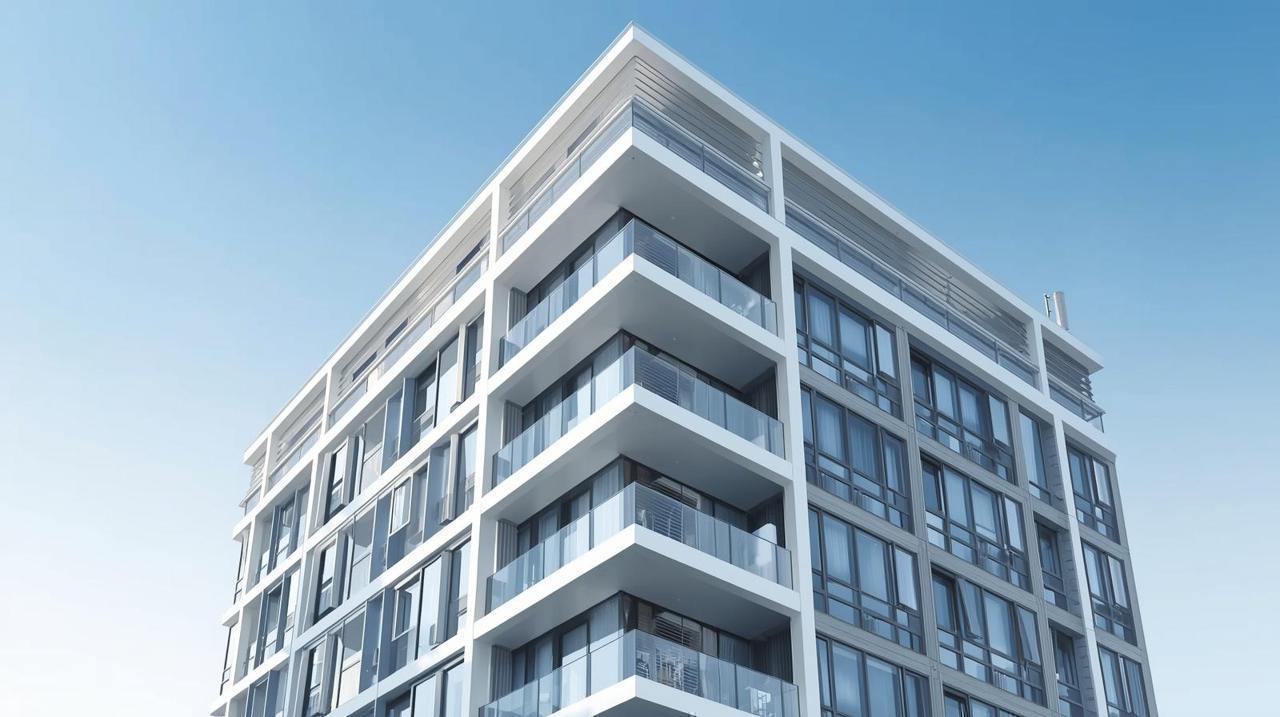
In a rising real estate market, prospective homebuyers may feel anxious and uncertain about their choices. However, elevated prices shouldn’t deter you—rather, a strategic approach is required. This guide highlights how to wisely evaluate, compare, and select a property, keeping long-term value in perspective.
Many individuals believe that postponing their purchase will lead to better prices. However, market behaviors are unpredictable; regions with high demand or upcoming developments may see prices continue to escalate.
By waiting, you risk being priced out of the market entirely. Rising interest rates and dwindling options could still work against you. Instead of searching for the “ideal price,” prioritize finding the ideal value.
Buyers frequently dive into listings and subsequently feel overwhelmed. Begin by determining your own requirements.
Your maximum budget and expected monthly payments. Essential features such as size, number of bedrooms, and necessary amenities. Decide whether the property is for personal use or for investment. Knowing your priorities can prevent rushed or emotional decisions.
Just because a property comes with a high price tag doesn’t mean it’s overpriced. A thorough analysis of its true value is imperative.
Consider factors like infrastructure quality, the reputation of the builder, neighborhood desirability, construction standards, and potential for future appreciation. A higher-priced yet value-rich area might yield greater returns than a lower-cost but stagnant one.
When entering a high-price market, assessing potential for growth is vital.
Look for developing metro links, emerging business districts, top educational institutions, and new retail spaces. Early investment in areas poised for growth can be advantageous, even if it means spending more upfront.
Each choice has distinct benefits depending on individual priorities.
You desire immediate occupancy or rental returns. You want to avoid construction risks and verify build quality.
You’re looking for lower upfront costs and flexible payment arrangements and can wait for 2 to 4 years. Under-construction options may offer better value during high-price phases.
In times of rising prices, adjusting unit size rather than quality can be more sensible.
Lower entry costs. Increased demand for resale. Solid rental income potential. A well-situated compact property typically outshines a larger one in a declining area.
High prices don’t always equate to lucrative rental returns.
Monthly rental rates versus EMIs. Local vacancy rates. Demand for furnished accommodations. A robust rental yield can alleviate financial strain.
Conducting thorough inspections becomes increasingly crucial in pricey markets, as mistakes can be costly.
Evaluate structural integrity, plumbing and electrical systems, ventilation and light quality, as well as noise levels. For under-construction properties, review the builder’s past performance.
Negotiation remains feasible, even in surging price environments.
The overall price, parking costs, floor-rise fees, amenity charges, and payment schedules can often be discussed. Builders are often more flexible at month-end, quarter-end, and year-end.
A poor loan choice can make any property feel prohibitively expensive.
Compare interest rates from multiple banks. Look into prepayment options. Opt for longer loan terms to ease EMI pressure. A well-structured loan can make high prices manageable.
Rising prices can trigger panic, often leading to overpayments or regrettable compromises.
Does this property fulfill future requirements? Is the area likely to appreciate? Can I afford the EMI comfortably? If not, it’s wise to continue your search, even if the urgency appears high.
Stable supply levels can curtail rampant price increases, facilitating entry into the market for buyers.
Emerging suburbs, neighborhoods near new transport routes, and fresh township projects offer better layouts and longer-term value.
It is possible to select the right property even when prices are high, provided you emphasize value over market noise. Focus on growth potential, inspect properties thoroughly, negotiate effectively, and plan your financing wisely. A well-chosen investment appreciates with time, while a hasty purchase often becomes a financial burden. High prices simply require higher-quality decision-making.
This article aims to provide general guidance for prospective buyers and should not replace professional financial, legal, or real estate advice. Market conditions vary greatly, and individual buyer situations differ. Consult with qualified professionals before making any real estate decisions.









Josh Kerr and Jakob Ingebrigtsen Set for 1,500m Rivalry Rematch
Josh Kerr and Jakob Ingebrigtsen will renew their 1,500m rivalry at the Ultimate Championship in Bud

PSG Coach Luis Enrique Urges Players to Step Outside Comfort Zone
PSG coach Luis Enrique says players must leave their comfort zone and keep improving as the club tar

China’s Tiangong Sets New 400m Record at Robot Olympics
China’s Tiangong robot sets a new 400m record at the Robot Olympics, beating a South African robot i

George Russell Wins Dutch GP Sprint, Boosts Mercedes Morale
George Russell wins the Dutch GP Sprint from pole as Mercedes teammate Kimi Antonelli extends his F1

Australia 50/3 After Bangladesh Bowled Out for 64 in Second Test
Australia reached 50/3 after Bangladesh were bowled out for 64 in the second Test, with Mitchell Sta

Jordan Burroughs Returns to Wrestling with 2028 Olympic Dream
Jordan Burroughs returns to wrestling with Real American Freestyle as the Olympic champion eyes a po

