
You have not yet added any article to your bookmarks!
Join 10k+ people to get notified about new posts, news and tips.
Do not worry we don't spam!
Post by : Anis Farhan
This past week saw a remarkable increase in interest in eco-tourism across various sought-after regions. As travelers sought out more meaningful and environmentally friendly experiences, local guides stepped up to modify their offerings accordingly.
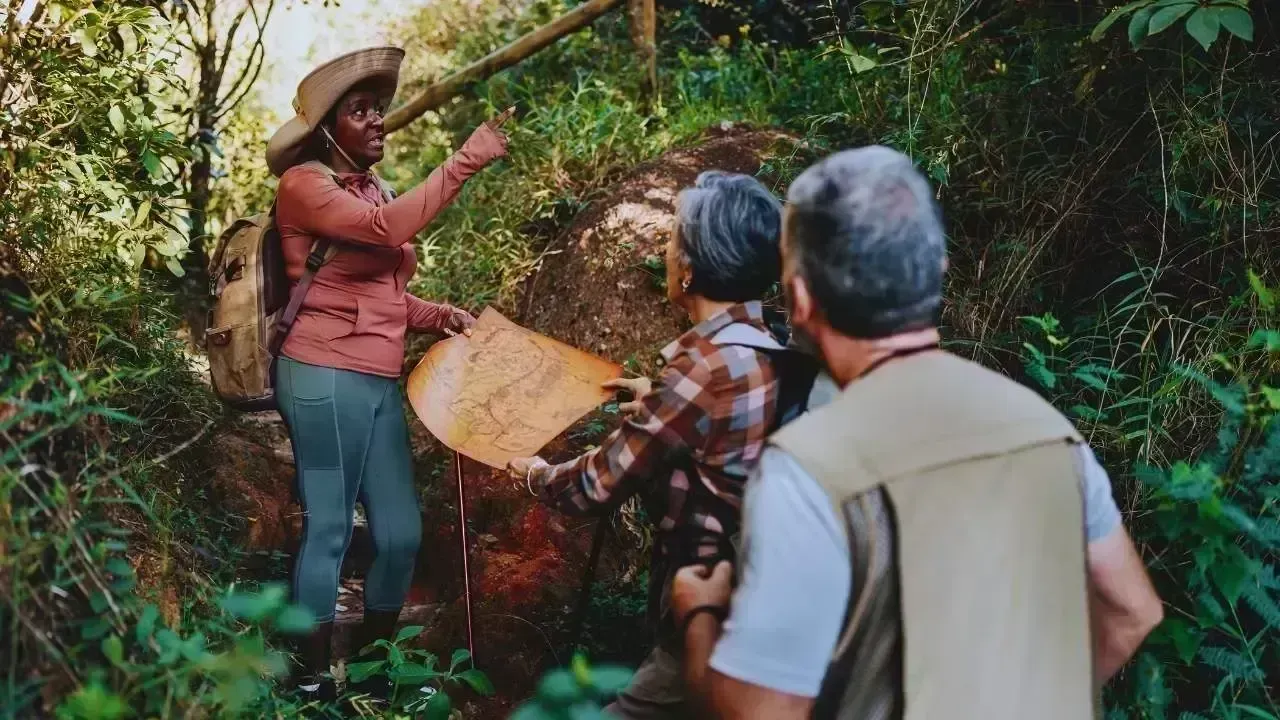
In contrast to the usual rush for expansive sightseeing itineraries, many opted for nature-focused, sustainable activities—ranging from birdwatching expeditions and serene forest walks to local village experiences, waterfall hikes, artisan craft sessions, and visits to organic farms.
This transformation drove more than just heightened demand; it fundamentally changed how guided tours are structured. Local guides, rooted in their communities and with generational ties to the land, began to reshape their tour routes, improve their communication, and refine safety protocols to keep pace with the burgeoning eco-tourism trend.
This article delves into the changes made and highlights the significance of this week as a turning point.
A combination of factors contributed to the recent growth in eco-tourism:
Favorable weather conditions increased the allure of outdoor activities.
Many individuals sought quieter, grounding travel experiences.
Social media conversations around environmental responsibility made travelers more discerning.
Genuine content featuring forest trails, eco-friendly stays, and rural adventures gained traction.
Travelers prioritized meaningful connections with nature over visiting crowded sites.
In this context, local guides became essential in bridging the gap between travelers and authentic eco-adventures.
Guides moved away from popular crowded spots to less-trafficked, eco-friendly paths, including:
Nature trails with minimal ecological impact
River walks
Wildlife conservation areas
Lesser-known hill trails
Community-endorsed paths
These trails minimized environmental effects and enhanced the traveler experience.
Local guides enriched their tours with appealing storytelling:
Describing native plant and animal life
Sharing ecological traditions
Discussing water sources, migrating species, soil conditions, and significant trees
Highlighting local conservation efforts
Travelers valued these insights, turning mere walks into heartfelt educational experiences.
Guides started integrating important sustainability messages:
Take your trash with you
Stick to designated trails
Avoid disruptive noise
Respect wildlife distances
Limit single-use plastics
Support local artisans
These reminders were not prescriptive; they were naturally woven into casual dialogues.
In response to the eco-tourism trend, guides collaborated with local communities to create immersive options like:
Visits to organic farms
Culinary experiences in village settings
Workshops for crafts like pottery and weaving
Demonstrations of traditional fishing methods
Evenings of tribal storytelling
This strategy not only enhanced tourist adventures but also increased community earnings.
Guides provided customized experiences by grouping travelers according to interests:
Birdwatching enthusiasts
Outdoor trekkers
Photography lovers
Botanists
Families
This kind of personalization resulted in richer, more rewarding encounters.
Guides dedicated additional time to cover:
Difficulty levels of trails
Weather conditions
Forest etiquette
Emergency procedures
Options like bamboo hiking poles and naturally sourced bags were made available.
Guides actively tracked:
Unexpected weather changes
Trail conditions
Animal activities
Water levels
Their thorough knowledge fostered safer, well-informed travel.
Guides utilized basic GPS to avoid sensitive areas, ensuring minimal disturbance.
They sent:
Map directions
Meeting locations
Pickup schedules
Eco-related instructions
to travelers, enhancing overall coordination.
Younger eco-tourists favored cashless options, prompting guides to quickly adopt QR code payments.
The past week revealed a compelling trend: a shift away from rapid travel.
Rather than rushing to multiple destinations, travelers gravitated toward:
Extended, leisurely hikes
Relaxed village explorations
Tranquil forest interactions
Informal campfire storytelling
Morning nature shots
Stargazing sessions
Local guides adjusted pacing to foster deeper engagement and reflection.
Travelers valued guides who:
Had intimate knowledge of the land
Could identify animal calls
Recognized medicinal plants
Appreciated community traditions
Small touches—sharing local foods, recounting village tales, spotting rare birds—made tours memorable.
Guides became guardians of both travelers and nature.
The surge in eco-tourism created meaningful benefits:
Increased earnings for guides
Higher incomes for local communities
New opportunities for rural youth
Greater demand for local crafts
Renewed pride in cultural identity
Increased awareness of conservation efforts
Eco-tourism has emerged as a win-win success.
Should this trend persist, it could redefine tourism:
Enhanced nature-centric pathways
Community-operated eco-villages
Stricter conservation policies
Controlled visitor numbers
More eco-efficient lodging options
Less pressure on popular sites
Local guides will play a pivotal role in driving this change.
The increase in eco-tourism this week signifies more than just a travel trend—it represents a cultural evolution. With travelers seeking genuine, nature-oriented experiences, local guides showcased their creativity, accountability, and extensive knowledge. They crafted new routes, elevated storytelling, prioritized safety, empowered communities, and connected travelers to nature in impactful ways.
Their responsive strategies not only enhanced the travel experience but significantly strengthened the connection between tourism and ecological stewardship. If this week is a hint at what's to come, the future of travel is set to become more sustainable, thoughtful, and community-focused.
DISCLAIMER:
This article is meant for informational use only. Eco-tourism practices, safety protocols, and local guidelines can differ between regions. Travelers should comply with local directions and honor environmental boundaries.










Hyundai raises profit target, expands hybrid lineup in the US
Hyundai hybrid cars get a major boost as the automaker raises its profit margin target and plans new

Josh Kerr and Jakob Ingebrigtsen Set for 1,500m Rivalry Rematch
Josh Kerr and Jakob Ingebrigtsen will renew their 1,500m rivalry at the Ultimate Championship in Bud

PSG Coach Luis Enrique Urges Players to Step Outside Comfort Zone
PSG coach Luis Enrique says players must leave their comfort zone and keep improving as the club tar

China’s Tiangong Sets New 400m Record at Robot Olympics
China’s Tiangong robot sets a new 400m record at the Robot Olympics, beating a South African robot i

George Russell Wins Dutch GP Sprint, Boosts Mercedes Morale
George Russell wins the Dutch GP Sprint from pole as Mercedes teammate Kimi Antonelli extends his F1

Australia 50/3 After Bangladesh Bowled Out for 64 in Second Test
Australia reached 50/3 after Bangladesh were bowled out for 64 in the second Test, with Mitchell Sta

