
You have not yet added any article to your bookmarks!
Join 10k+ people to get notified about new posts, news and tips.
Do not worry we don't spam!
Post by : Mikael Ariff
Throughout life, we encounter a multitude of opinions on how often we should eat. While some advocate for the three-meal structure, others suggest five or six smaller meals to avoid hunger pangs. Many busy professionals, however, often skip meals altogether due to hectic schedules.
With such varied advice, the question arises: What is the healthiest meal frequency for our bodies?
The reality is straightforward—there’s no one-size-fits-all pattern. Individual lifestyles, digestion rates, hunger cues, work commitments, and health conditions all play significant roles. The key is to find a meal routine that fuels your energy, keeps you satisfied, and prevents overeating.
This guide details the impact of meal frequency on health and provides insights into determining the best eating schedule for you.
Consistent nourishment throughout the day is vital. Overeating can lead to fatigue, while under-eating might leave you feeling drained and irritable, causing you to compensate later.
Your meal frequency influences:
Energy levels
Hunger management
Weight control
Ability to concentrate
Sleep quality
Digestion efficiency
Thus, selecting the right eating routine is crucial, likely more than most might think.
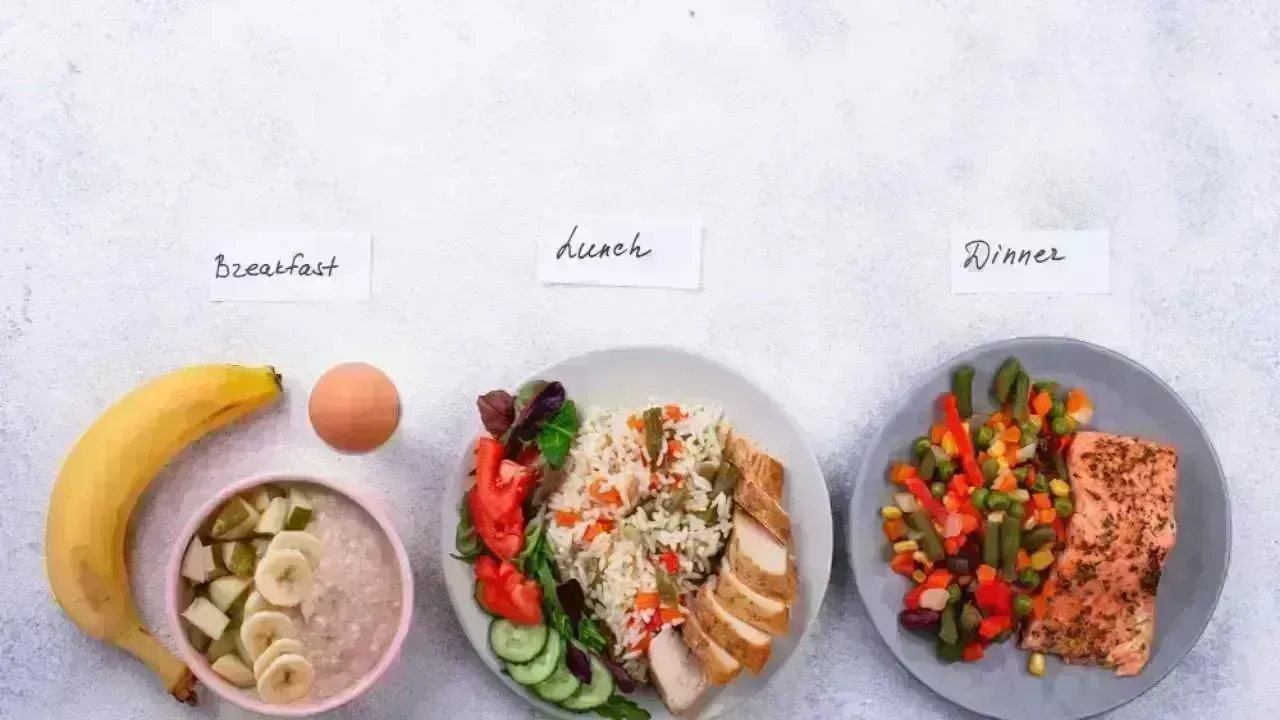
The well-known structure of breakfast, lunch, and dinner.
Advantages:
Easy to maintain
Aligns well with academic and professional schedules
Allows for proper digestion time
Minimizes unnecessary snacks
Best suited for:
Students
Corporate professionals
Individuals with structured lifestyles
Those who prefer a fixed routine
This method is most effective with a fulfilling breakfast, balanced lunch, and a lighter dinner.
Some individuals opt for smaller meals spaced every few hours.
Benefits:
Helps maintain stable blood sugar levels
Reduces bouts of extreme hunger
Lowers the chance of overeating
Ideal for active individuals
Supports muscle growth
Best suited for:
Fitness enthusiasts
Individuals in physically demanding jobs
Frequent snackers
People needing consistent energy
Keep in mind, small meals should consist of nutritious options, not just junk food.
This strategy involves eating twice daily, typically a late breakfast and an early dinner.
Benefits:
Lowers overall calorie intake
Provides extended breaks for digestion
May aid in weight management
Can assist in blood sugar regulation
Best suited for:
Individuals who aren’t hungry in the mornings
Those practicing intermittent fasting
People aiming for weight reduction
However, this pattern might not suit everyone, particularly those with specific health conditions.
Your body will indicate whether your meal frequency is adequate:
You maintain energy throughout the day
Extreme hunger is rare
Cravings for unhealthy food are minimal
Your digestion is smooth
You have restful sleep
Nighttime overeating is uncommon
If you experience the opposite, consider revisiting your meal routine.
Here’s a basic outline according to different needs:
Three meals + one light snack
(Options include fruits or nuts.)
Five to six small meals, spread throughout the day.
Two to three meals, adjusted for hunger and activity levels.
Three meals + one or two healthy snacks, as their energy needs are higher.
Small meals every 3–4 hours to maintain balance in sugar and acidity.
Always tailor your meal frequency to your unique needs and lifestyle.
Regardless of your chosen pattern, starting with a nutritious breakfast is vital.
An ideal breakfast contains:
Protein (such as eggs, Greek yogurt, or lentils)
Fiber (whole grains and fruits)
Healthy fats (like nuts and seeds)
Skipping breakfast can lead to:
Fatigue
Overeating later on
Cravings for unhealthy options
Mood swings
Difficulty focusing
Enjoy breakfast within 1-2 hours after waking
Allow 4–5 hours between larger meals
Avoid prolonged hunger
Drink water before eating
Keep dinner more modest
End eating at least 2 hours before sleep
These practices can enhance digestion and support maintaining a healthy weight.
Ultimately, there’s no universally correct answer to how many meals are healthiest. While some thrive on two meals, others may benefit from three or multiple smaller intakes. The preferred routine is the one that ensures you remain active, feel satisfied, and manage hunger effectively.
A great eating pattern should:
Keep your energy levels stable
Minimize cravings
Aid in achieving fitness goals
Suit your lifestyle
Help you maintain a healthy weight
The essential step is to listen to your body and select a meal frequency that aligns harmoniously with your needs.
This content serves as general information and should not be interpreted as medical guidance. Nutritional needs, including meal frequency, are individual. For specific health concerns, such as diabetes or digestive issues, please seek advice from a healthcare professional or a registered dietitian before making dietary adjustments.










Hyundai raises profit target, expands hybrid lineup in the US
Hyundai hybrid cars get a major boost as the automaker raises its profit margin target and plans new

Josh Kerr and Jakob Ingebrigtsen Set for 1,500m Rivalry Rematch
Josh Kerr and Jakob Ingebrigtsen will renew their 1,500m rivalry at the Ultimate Championship in Bud

PSG Coach Luis Enrique Urges Players to Step Outside Comfort Zone
PSG coach Luis Enrique says players must leave their comfort zone and keep improving as the club tar

China’s Tiangong Sets New 400m Record at Robot Olympics
China’s Tiangong robot sets a new 400m record at the Robot Olympics, beating a South African robot i

George Russell Wins Dutch GP Sprint, Boosts Mercedes Morale
George Russell wins the Dutch GP Sprint from pole as Mercedes teammate Kimi Antonelli extends his F1

Australia 50/3 After Bangladesh Bowled Out for 64 in Second Test
Australia reached 50/3 after Bangladesh were bowled out for 64 in the second Test, with Mitchell Sta

