You have not yet added any article to your bookmarks!
Join 10k+ people to get notified about new posts, news and tips.
Do not worry we don't spam!
Post by : Anis Farhan
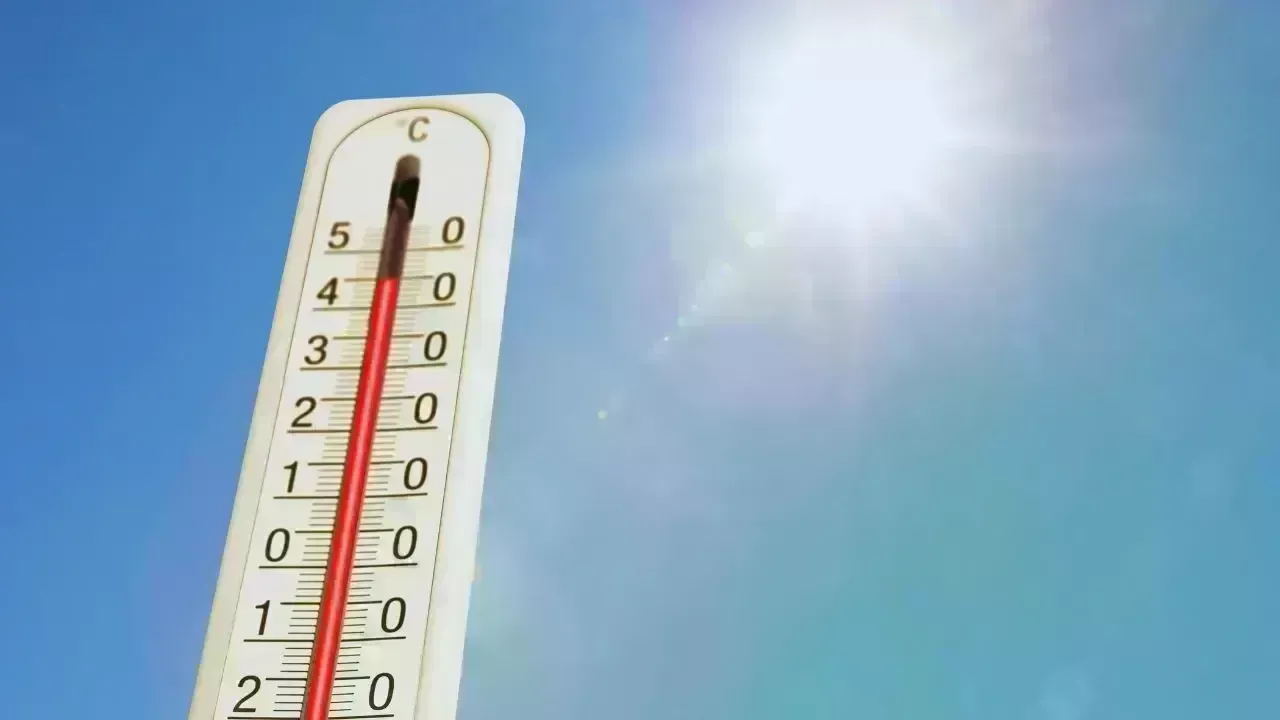
Gone are the days of gentle summers. Instead, unbearable heat strikes suddenly. Monsoons transform from refreshing rains to devastating floods, while winters trap pollution in our homes and lungs.
What was once seen as cyclical is now a constant state of flux.
In cities across India, extremes in climate have become regular topics. Roads flood within hours of rain; hospitals are overwhelmed during heatwaves. Power demand surges as cooling systems battle the rising temperatures. Water tankers have taken the place of reliable pipelines. School hours are adjusted. Work schedules are modified. Lives adapt to the whims of the weather.
In light of these changes, a pressing question emerges: Are Indian cities genuinely preparing for the realities of climate change, or merely responding to disasters?
Urban India stands at a pivotal juncture where effective planning is essential for survival.
For years, discussions around climate change centered on future implications—something left for the next generation.
That future is currently unfolding.
Cities are now battlegrounds where the impacts of climate change manifest daily. Rain patterns have become erratic, temperatures are breaking records, sea levels inch higher in coastal areas, and air quality worsens during stagnant weather.
Existing urban infrastructure was not designed to cope with these new challenges.
Drainage systems expect “normal” rainfall.
Buildings envision “typical” summers.
Power networks anticipate steady demand.
Water supplies depend on regular precipitation.
All systems are based on stability.
And nature has ceased to provide it.
Indian cities are growing at a pace that outstrips their redesign. Population surges lead to increased construction, while green spaces diminish, lakes disappear, and soil is buried under concrete.
As a result, cities face:
Extreme heat
Heightened flood risks
Increased aridity
Worsening pollution
Diminished air quality
Urban regions retain heat due to expansive cement and glass surfaces, absorbing sunlight and slowly releasing it at night, preventing any cooling.
This issue, prevalent in many major cities, exacerbates heatwaves.
At the same time, unplanned development obstructs natural water drainage. Waterways become clogged, and wetlands get filled, leaving no avenue for rain to flow.
When rain finally comes, it cannot drain.
It floods.
Cities are designed for efficiency, not to withstand climate challenges.
This shortsighted approach results in:
Roads that give way during heavy rain
Power systems that falter under heat stress
Pipelines that fail during droughts
Buildings that retain heat akin to ovens
Slums situated on flood-prone lands
Climate does not recognize urban borders.
Nature reclaims its territory when urban planning fails.
Climate action plans aim to equip cities to prepare, adapt, and protect their residents.
Ideally, they encompass:
Flood management tactics
Measures to mitigate heat
Systems for emergency responses
Programs for air pollution control
Water conservation initiatives
Planning for sustainable transport
Development of green spaces
In practice, many plans exist more as documents than as actionable frameworks.
Cities release their strategies, but genuine implementation remains a critical challenge.
Each monsoon reveals the ongoing vulnerabilities in city infrastructure.
Common issues include:
Overrunning drains
Clogged rivers
Compromised road networks
Power outages
Sewage issues
Homes submerged
The problem extends beyond mere rainfall.
It is fundamentally a failure of urban design.
Water shortages are more than occasional events; they have become a routine occurrence in numerous cities.
Urban water supply systems were constructed with the expectation of:
Consistent rainfall
Clean waterways
Stable population metrics
Sufficient groundwater
None of these assumptions hold true anymore.
The underlying issues are straightforward:
Lack of rainwater harvesting
Encroachment on lakes
Overextraction of groundwater
Pollution of rivers
Leaking systems that waste valuable resources
Current water management practices are largely reactive.
A proactive strategy is essential.
Effective strategies for addressing water scarcity should encompass:
Harvesting rainwater
Wastewater management improvements
Restoration of lakes
Groundwater replenishment
Pricing based on demand
Monitoring for system leakage
Without these measures, shortages are inevitable.
The interplay between climate change and pollution exacerbates urban challenges.
In winter, stagnant temperature patterns trap polluted air.
Traffic and industrial emissions produce toxins.
This polluted air lingers over urban areas and infiltrates our lungs.
As temperatures rise, the added heat increases the risk. Urban areas must focus on creating solutions.
Effective strategies include:
Implementing reflective roofing
Initiating tree planting projects
Reviving lakes and ponds
Creating green corridors
Establishing heat shelters
Developing cooling roofs for informal settlements
Building urban parks
Setting up public water access points
Some cities have started implementing such initiatives.
However, they need to scale up; small-scale efforts won't combat the vast pressures of climate change.
The next decade is crucial for urban climate resilience.
In these years, cities will face a choice:
Adapt and thrive
or
Neglect and endure struggles
Choices made today will determine the comfort, safety, and survival of countless individuals in the future.
Climate disasters are now expected events.
What remains unpredictable is our readiness to face them.
This article is for informational purposes only. It does not constitute environmental, legal, or policy advice. Readers should consult experts or local authorities before making decisions about climate or urban planning.
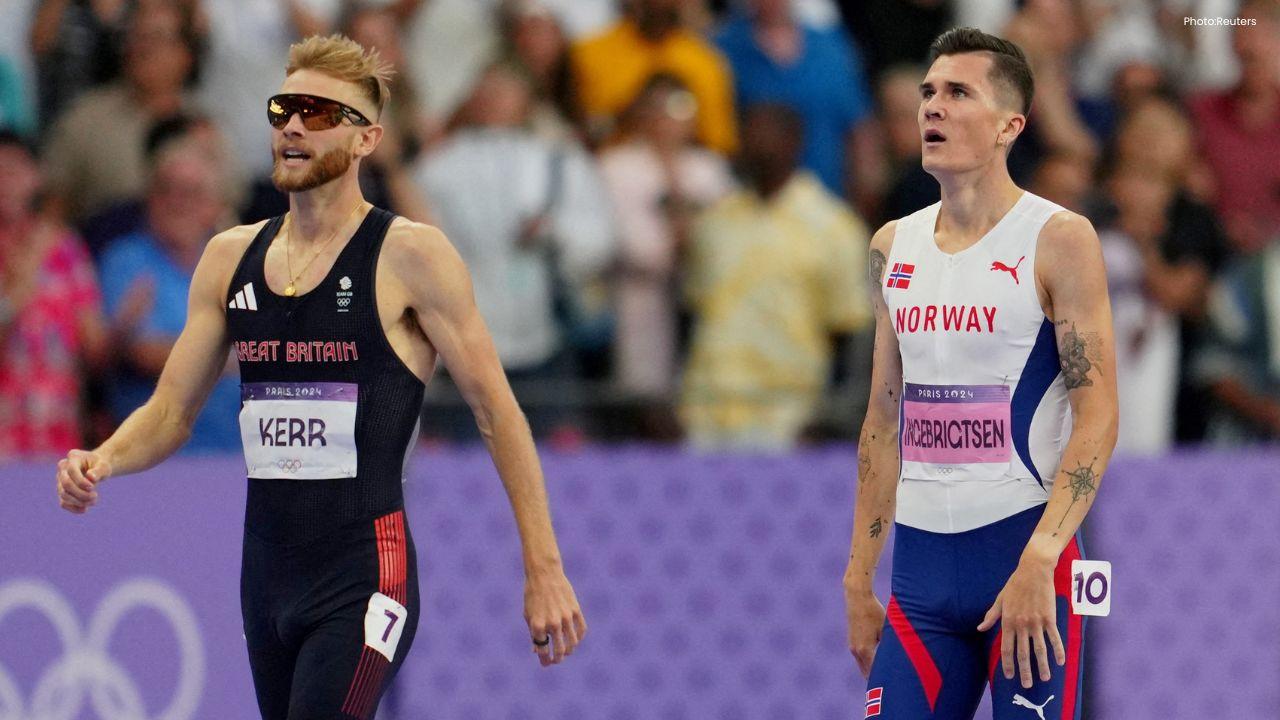




Josh Kerr and Jakob Ingebrigtsen Set for 1,500m Rivalry Rematch
Josh Kerr and Jakob Ingebrigtsen will renew their 1,500m rivalry at the Ultimate Championship in Bud

PSG Coach Luis Enrique Urges Players to Step Outside Comfort Zone
PSG coach Luis Enrique says players must leave their comfort zone and keep improving as the club tar

China’s Tiangong Sets New 400m Record at Robot Olympics
China’s Tiangong robot sets a new 400m record at the Robot Olympics, beating a South African robot i

George Russell Wins Dutch GP Sprint, Boosts Mercedes Morale
George Russell wins the Dutch GP Sprint from pole as Mercedes teammate Kimi Antonelli extends his F1
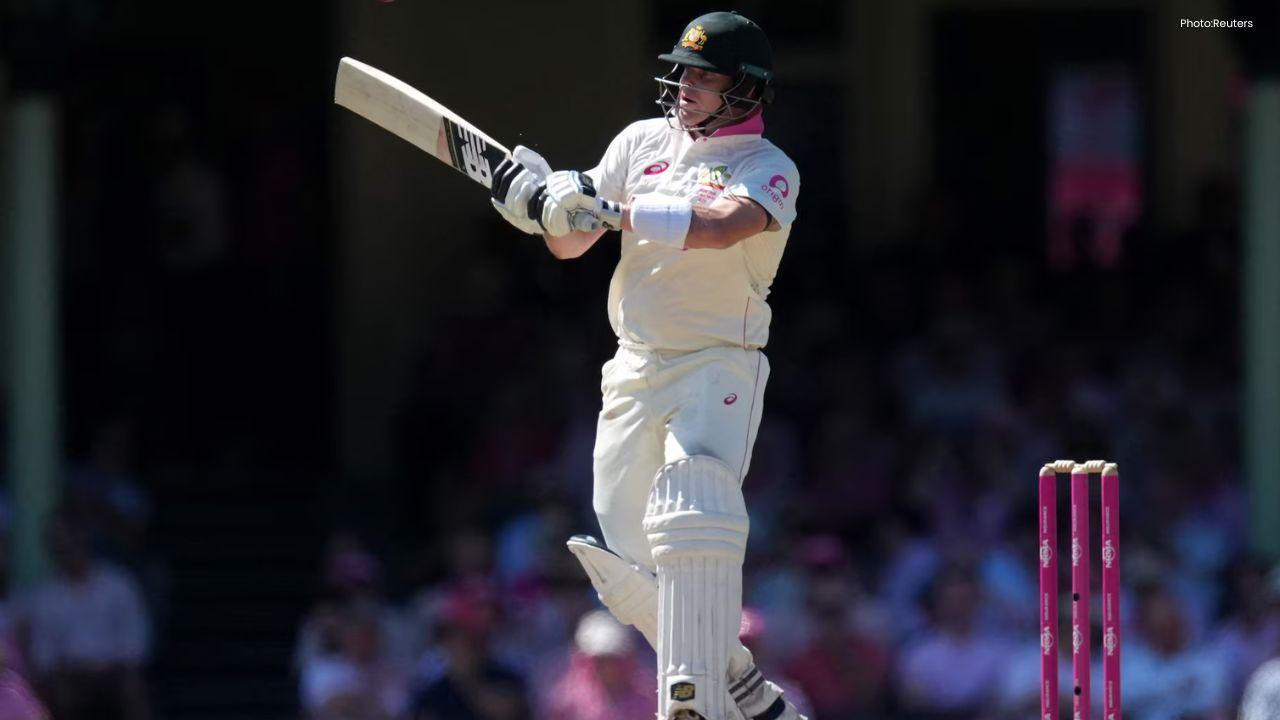
Australia 50/3 After Bangladesh Bowled Out for 64 in Second Test
Australia reached 50/3 after Bangladesh were bowled out for 64 in the second Test, with Mitchell Sta

Jordan Burroughs Returns to Wrestling with 2028 Olympic Dream
Jordan Burroughs returns to wrestling with Real American Freestyle as the Olympic champion eyes a po