
You have not yet added any article to your bookmarks!
Join 10k+ people to get notified about new posts, news and tips.
Do not worry we don't spam!
Post by : Anis Farhan
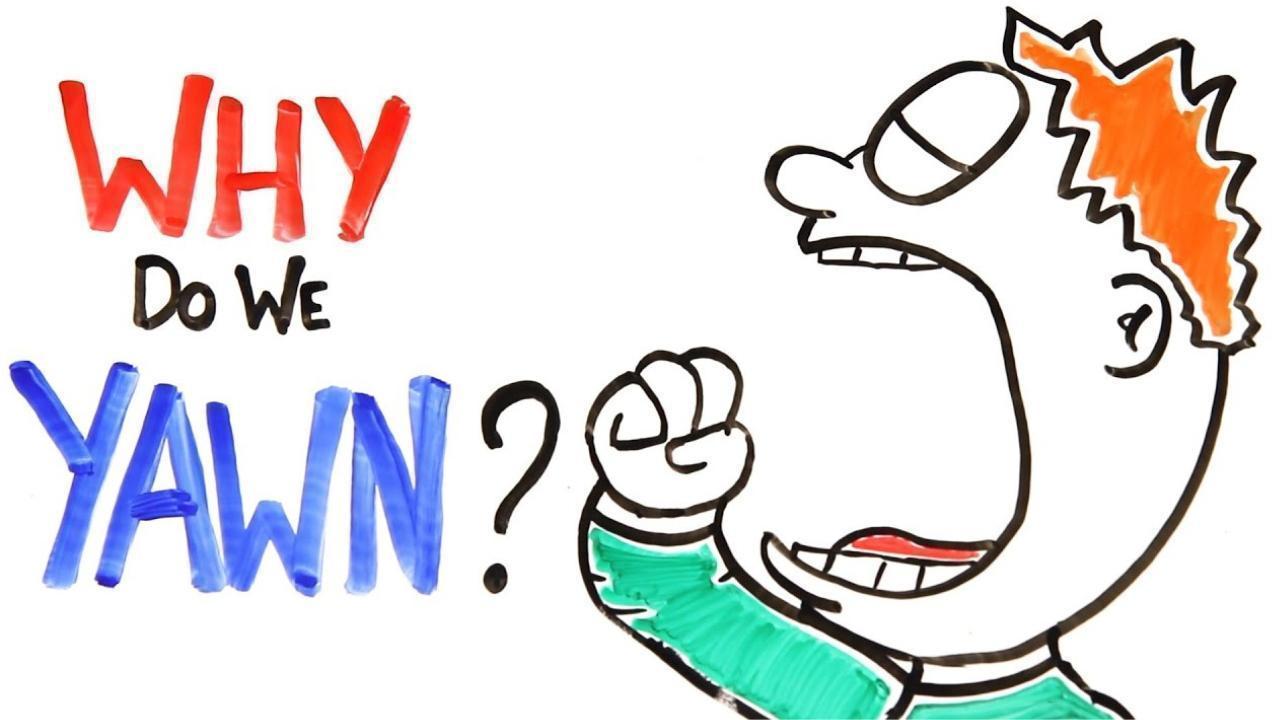
Yawning is commonly associated with fatigue, but research suggests that sleepiness is only one small part of the story. People also yawn when they are alert, anxious, stressed, or even deeply focused. This indicates that yawning is less about rest and more about regulating the brain’s internal state.
Studies show that yawning often occurs during transitions — waking up, preparing for sleep, or shifting attention. These moments demand changes in brain activity, hinting that yawning plays a role in helping the brain adjust efficiently.
One of the most supported modern theories suggests that yawning helps cool the brain. The deep inhalation of air, stretching of jaw muscles, and increased blood flow around the skull may assist in lowering brain temperature.
When the brain overheats, even slightly, cognitive performance can decline. Yawning may act as a natural cooling mechanism, improving alertness and mental clarity. This explains why yawning often occurs during intense concentration or mental fatigue, not just when someone is sleepy.
Yawning is famously contagious, but this phenomenon is not random. Contagious yawning is strongly linked to social bonding and empathy. People are more likely to yawn when they see someone they feel emotionally connected to yawn, such as a friend or family member.
This behaviour appears less frequently in interactions with strangers, suggesting that contagious yawning may reflect subconscious social synchronisation. It helps groups align behaviour and awareness levels, a trait that may have offered evolutionary advantages in early human communities.
Yawning is not exclusive to humans. Mammals, birds, and even some reptiles yawn, often in similar contexts. In animals, yawning can signal changes in alertness, stress levels, or readiness for action.
In some species, yawning also functions as a display of dominance or warning, particularly when it exposes teeth. This dual role — physiological regulation and communication — suggests yawning evolved as a multifunctional behaviour rather than a simple reflex.
Contrary to popular belief, yawning does not always mean boredom. In many cases, it occurs when the brain is trying to maintain focus. Long meetings, lectures, or tasks that require sustained attention can trigger yawning as the brain seeks to optimise performance.
This is why people sometimes yawn during activities they find interesting but mentally demanding. The yawn may serve as a reset button, briefly increasing oxygen intake and neural efficiency.
Yawning frequency varies widely among individuals. Factors such as age, neurological differences, emotional sensitivity, and even personality traits influence how often someone yawns.
Children yawn more frequently than adults, while older individuals tend to yawn less. People with higher levels of empathy are also more susceptible to contagious yawning, reinforcing the connection between yawning and social cognition.
Yawning often increases during periods of stress or anxiety. Athletes, performers, and public speakers frequently yawn before high-pressure moments. Rather than signaling tiredness, this type of yawning may help regulate emotional arousal.
By stabilising brain activity and oxygen flow, yawning can calm the nervous system and prepare the body for action. This explains why yawning can appear right before moments requiring peak performance.
Trying to suppress a yawn may feel polite in social settings, but it can reduce its physiological benefits. A full yawn involves coordinated muscle movements and deep breathing, which contribute to its regulatory effects.
Incomplete yawns may leave the brain without the reset it seeks, leading to lingering fatigue or reduced focus. This subtle discomfort is why people often feel unsatisfied after stopping a yawn midway.
Changes in yawning patterns can sometimes reflect neurological conditions. Excessive yawning has been observed in people with migraines, brain injuries, and certain neurological disorders.
While yawning alone is not a diagnostic tool, unusual increases or decreases in frequency can signal changes in brain function. This makes yawning an area of growing interest in neurological research.
Despite decades of research, yawning remains partly unexplained. Scientists agree that it serves multiple functions rather than a single purpose. Brain cooling, social bonding, emotional regulation, and attention control all appear to play roles.
What makes yawning fascinating is its universality combined with its complexity. Something so ordinary continues to challenge scientific understanding, reminding us that even the most common human behaviours can hold hidden depth.
Yawning is more than a sign of tiredness or boredom. It reflects how the brain manages change, stress, and connection. Understanding yawning helps reveal how deeply interconnected physiology, psychology, and social behaviour truly are.
The next time you yawn, it may not be because you are tired — it could be your brain quietly recalibrating itself.
Disclaimer: This article is for informational purposes only and does not replace medical advice. Persistent or unusual yawning patterns should be discussed with a qualified healthcare professional.










PM Modi Pays Tribute to Mahatma Gandhi, Urges People to Support Khadi
PM Modi pays tribute to Mahatma Gandhi on Gandhi Jayanti and urges citizens to support Khadi and the

Amazon Seeks to Offload $8 Billion in Nvidia Chips to Investors
Amazon plans to move $8 billion in Nvidia chips to investors, using a new financing model to strengt

Samsung Raises Galaxy S26 Prices as Memory Chip Costs Rise
Samsung raises Galaxy S26 prices in South Korea as rising memory chip costs put pressure on smartpho

Lewis Hamilton Calls Singapore Grand Prix One of F1's Toughest Races
Lewis Hamilton discusses the demanding Singapore Grand Prix and brings Plus44 and Almave to Singapor

Denmark's Pandora Opens World's Largest Jewellery Factory in Vietnam
Pandora opens its largest jewellery factory in Vietnam, expanding global production, strengthening s

Gautam Gambhir Questions Batting-Friendly Pitches After India's Record ODI Chase
Gautam Gambhir questions batting-friendly ODI pitches after India’s record chase, calling for a bett

