You have not yet added any article to your bookmarks!
Join 10k+ people to get notified about new posts, news and tips.
Do not worry we don't spam!
Post by : Anis Farhan
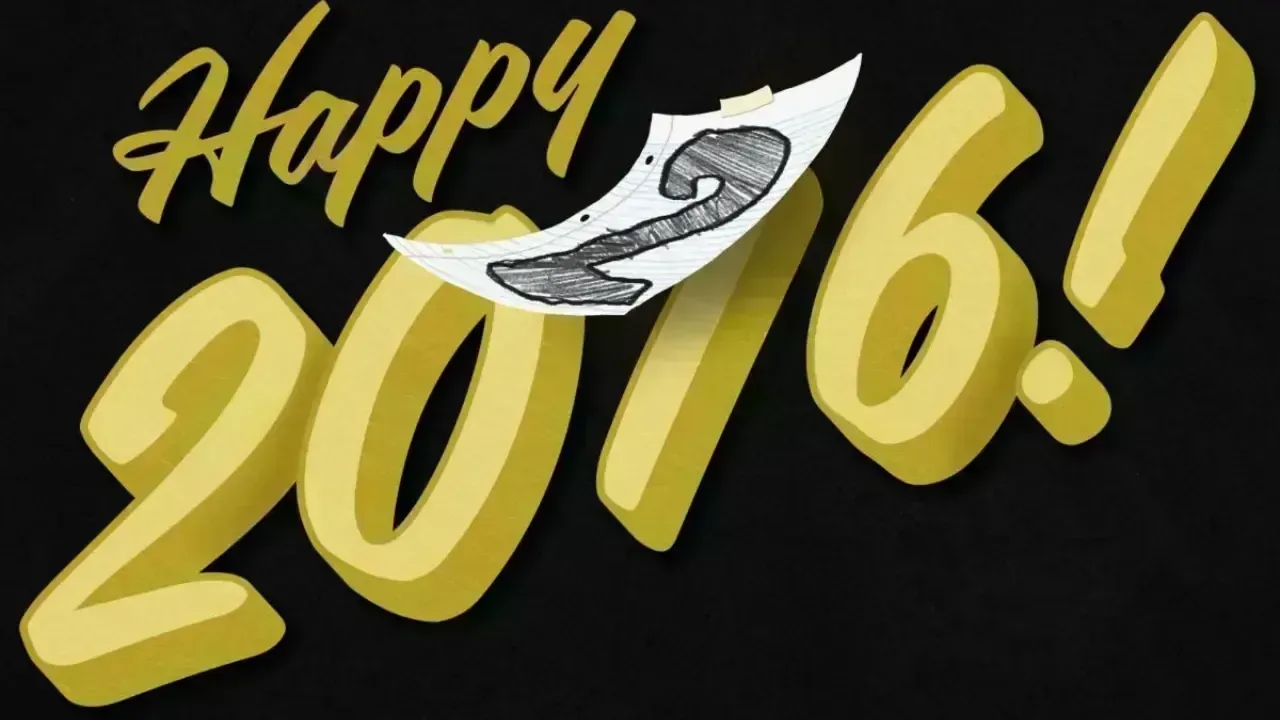
Scroll through social media in 2026 and one phrase appears again and again: “2026 feels like 2016 again.” It shows up in memes, music playlists, fashion reels, and comment sections under viral videos. The comparison is not random. For millions of people around the world, 2016 represents a cultural peak — a moment when the internet felt playful, global tensions felt distant, and digital life felt exciting rather than exhausting.
The idea that 2026 is the new 2016 has become more than a meme. It is a nostalgia-driven cultural trend shaped by generational memory, platform shifts, emotional fatigue, and a deep longing for a time perceived as simpler, happier, and more authentic. To understand why this sentiment is exploding now, it is necessary to examine what made 2016 so emotionally powerful — and why 2026 is triggering the same collective nerve.
For many people, 2016 represents the final phase of what is often called the carefree internet. Social platforms felt less commercial, algorithms felt less aggressive, and online interaction felt more spontaneous. Apps were places to experiment, not perform.
Platforms like Vine thrived on absurd humor and creativity without monetisation pressure. Instagram feeds were chronological, unpolished, and personal. Viral content felt organic rather than engineered.
This era now stands in stark contrast to the hyper-optimised, algorithm-driven digital environment of the early 2020s.
2016 was unusually unified in cultural consumption. Music, games, and memes crossed borders rapidly and were experienced collectively.
Pokémon Go turned public spaces into shared playgrounds
Global pop music dominated charts and playlists simultaneously
Memes were participatory rather than polarising
This sense of collective joy created emotional anchors that people continue to return to when reflecting on “better times.”
Nostalgia tends to peak for experiences encountered during late adolescence and early adulthood. For Gen Z and younger Millennials, 2016 coincided with formative years — school, college, early independence, first jobs, first freedoms.
By 2026, this generation is facing economic pressure, career uncertainty, global instability, and digital burnout. The brain naturally seeks comfort in periods associated with emotional safety and optimism.
2016 becomes less about historical accuracy and more about emotional symbolism.
The years between 2020 and 2024 were defined by disruption: pandemics, wars, inflation, climate anxiety, and constant online conflict. Psychologists describe nostalgia surges as common after prolonged stress periods.
By 2026, there is a collective emotional rebound. People are not just moving forward — they are looking backward for reassurance. The comparison to 2016 functions as emotional shorthand for “life before everything became heavy.”
Modern platforms reward emotionally resonant content. Nostalgia performs exceptionally well because it triggers memory, comfort, and shared identity.
Apps like TikTok and Instagram have seen explosive engagement on:
“2016 vibes” edits
Old song remixes
Throwback memes with modern captions
Filters replicating early smartphone aesthetics
Once these videos perform well, algorithms push them further, creating the illusion that everyone feels the same way — reinforcing the trend.
Many users engaging with 2016 nostalgia were children at the time or barely online. For them, 2016 is not memory — it is myth. They consume it through curated highlights, stripped of political, social, or personal complexity.
This makes the era feel unusually pure and universally positive, even though reality was more nuanced.
Streaming data shows a significant resurgence of tracks released between 2014 and 2017. Playlists titled “2016 energy,” “summer 2016,” or “we didn’t know we were happy” dominate platforms like Spotify.
Music from that period is associated with:
Fewer global crises
Pre-pandemic social life
Emotional openness
Lower online hostility
When these songs resurface in 2026, they don’t just sound good — they feel safe.
Many artists in 2026 are intentionally borrowing sonic elements from mid-2010s pop: tropical house beats, minimal trap rhythms, and melodic hooks. This is not accidental. Artists understand that nostalgia is commercially powerful and emotionally sticky.
The result is a feedback loop: new music sounds like 2016, reinforcing the idea that we’re back there again.
Fashion trends in 2026 increasingly mirror 2016 aesthetics:
Oversized hoodies
Sneakers over statement shoes
Minimal makeup
Casual, camera-phone styling
The rejection of hyper-curated luxury aesthetics reflects a desire for authenticity — or at least the appearance of it.
The early 2020s were defined by extreme visual trends: heavy filters, loud colours, exaggerated self-branding. In contrast, 2016 nostalgia represents visual calm.
People aren’t just copying styles; they are escaping overstimulation.
2016 meme culture thrived on absurd humour without political baggage. Memes were strange, playful, and low-stakes.
By 2026, meme fatigue has set in. Audiences are tired of discourse-driven humour and algorithm-aware jokes. The return of surreal, context-free memes mirrors the tone of 2016 — reinforcing the comparison.
The current trend prioritises feeling over messaging. Content doesn’t need to say something important; it just needs to feel right. This emotional framing aligns perfectly with nostalgia-based engagement.
Despite the emotional parallels, reality is vastly different:
Platforms are more commercial
Attention spans are shorter
Global instability is higher
Digital surveillance and monetisation are unavoidable
The similarity is psychological, not structural.
The phrase “2026 is the new 2016” is not a factual claim — it is a coping mechanism. It allows people to reframe the present as hopeful rather than overwhelming.
It signals optimism without denying hardship.
Marketing campaigns in 2026 increasingly reference mid-2010s culture — old fonts, retro app designs, throwback sounds. Brands understand that nostalgia lowers consumer resistance.
When people feel emotionally safe, they spend more freely.
There is a fine line between comfort and stagnation. If nostalgia becomes the dominant cultural force, innovation can slow. History shows that every nostalgia cycle eventually collapses under repetition.
The popularity of this trend reveals widespread exhaustion. People are not longing for the past because it was perfect, but because it felt manageable.
The comparison reflects a collective desire to slow down, reconnect, and feel less pressured.
Rather than regression, the 2016 nostalgia wave may be transitional — a pause before something new emerges. Cultures often look backward before redefining themselves.
“2026 is the new 2016” is not about reliving the past. It is about negotiating the present. The trend reflects emotional memory, generational identity, and digital fatigue converging into a shared narrative.
Whether the feeling lasts or fades, its popularity reveals something important: people are searching for joy without irony, connection without performance, and meaning without overload.
Nostalgia, in this moment, is not escape — it is reflection.
Disclaimer:
This article analyses cultural and social trends based on observed digital behaviour and public discourse. Interpretations are contextual and may evolve as platforms, audiences, and global conditions change.

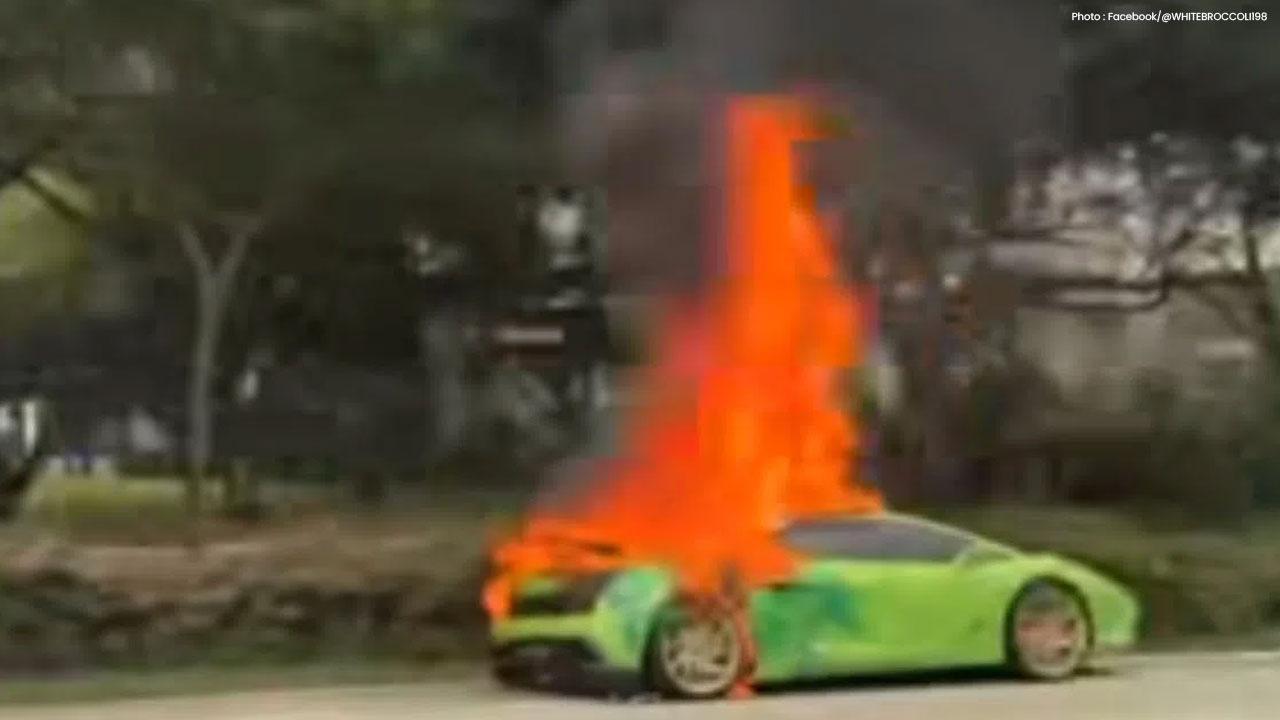
Lamborghini Catches Fire on Singapore's ECP, Causing Heavy Traffic
A Lamborghini caught fire on Singapore's ECP, causing heavy traffic and bus delays. No injuries were
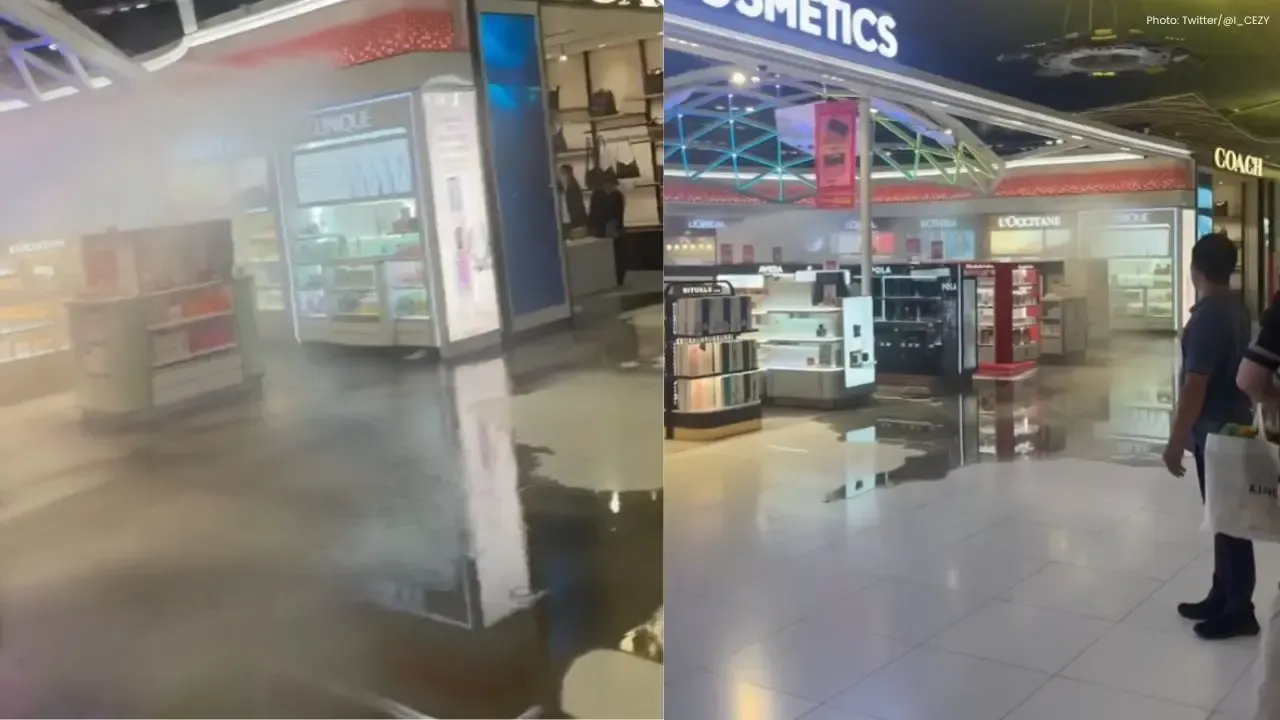
Bangkok Airport Duty-Free Area Flooded by Pipe Burst
A burst water pipe flooded the duty-free shopping area at Bangkok's Suvarnabhumi Airport on July 16,
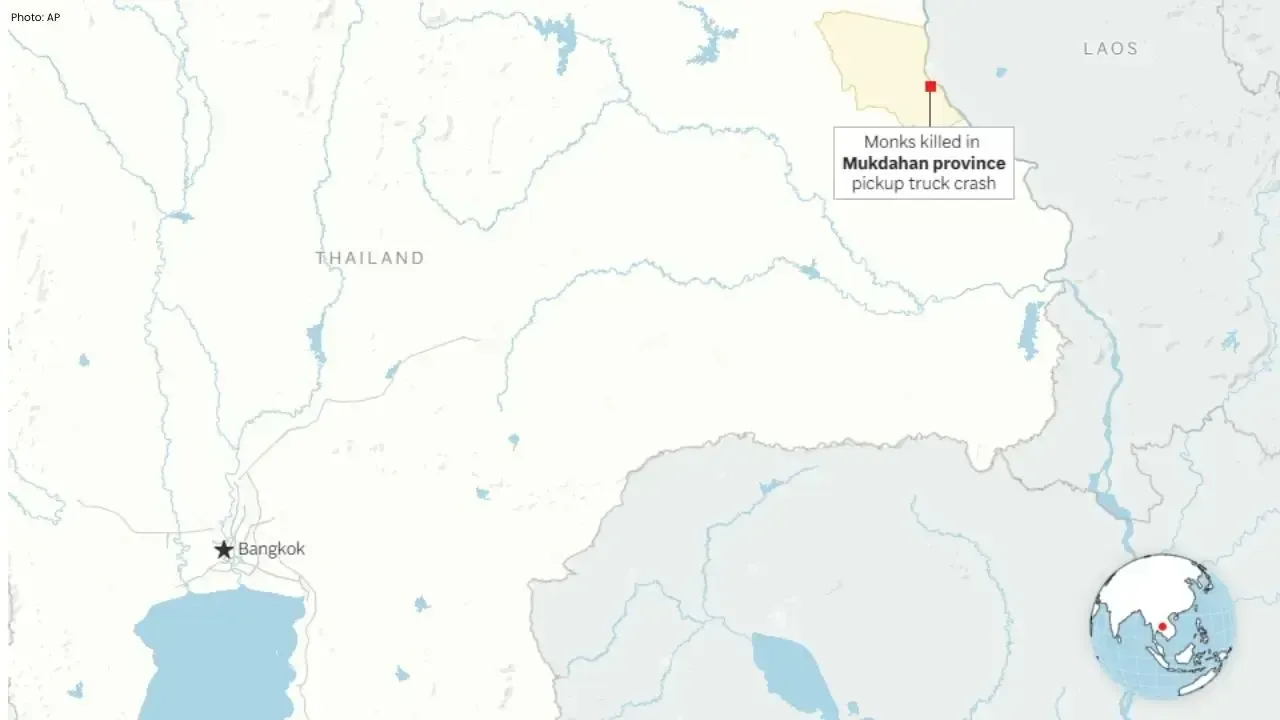
Nine Monks Killed in Thailand Pickup Truck Tragedy
An 11-year-old boy driving a pickup truck crashed into monks during a pilgrimage in northeastern Tha
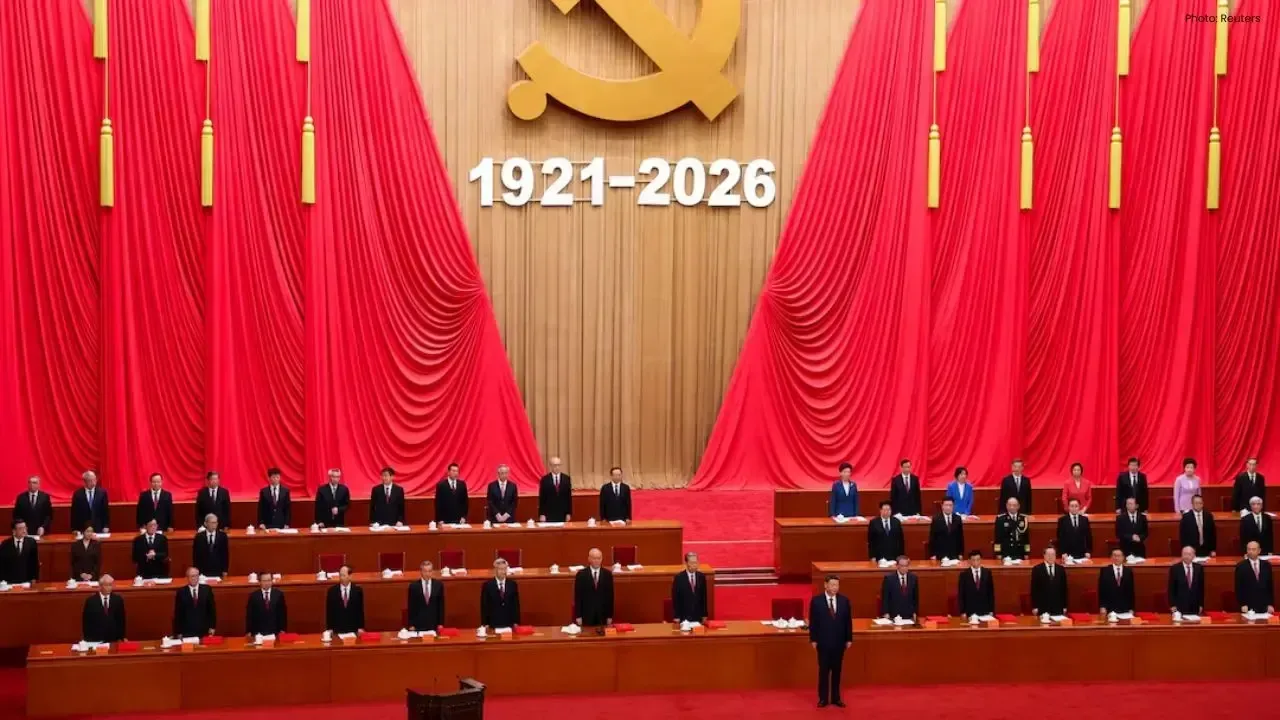
Anwar Congratulates Xi on CPC's 105th Anniversary
Malaysia reaffirms strong ties with China as PM Anwar Ibrahim sends a congratulatory letter to Presi
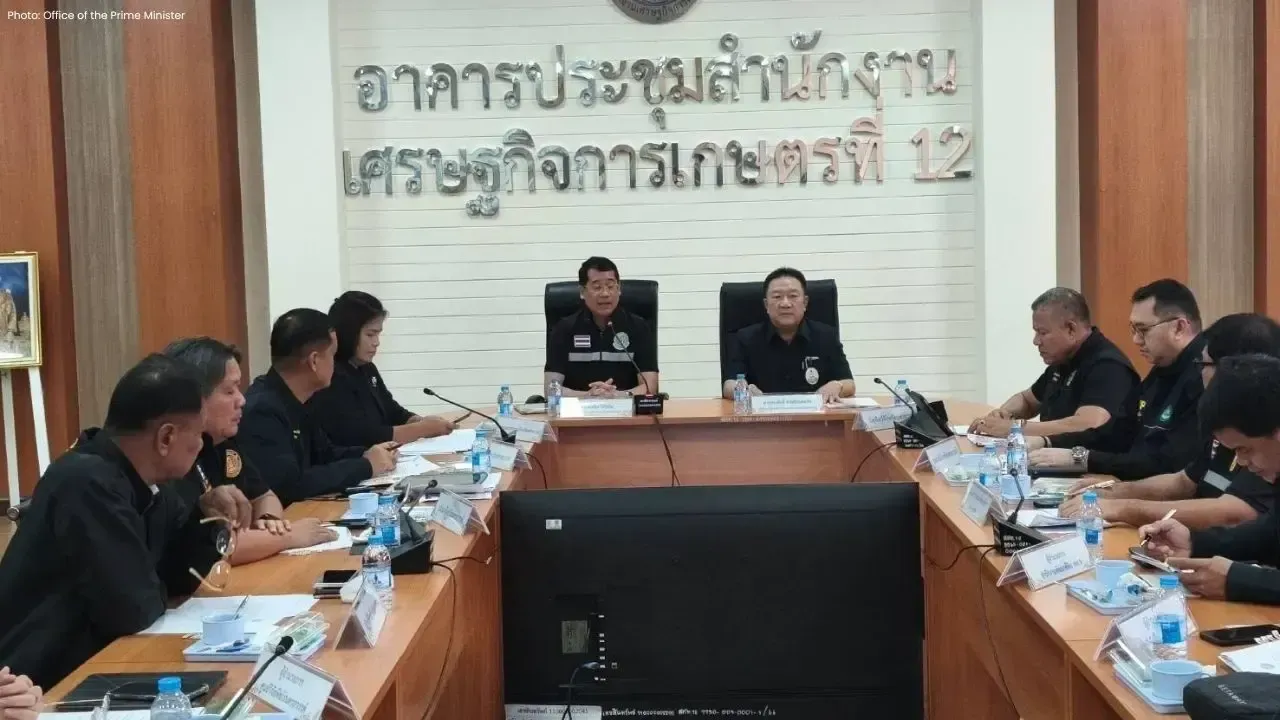
Thai Agriculture Team Reviews 2026 Farm Development Plans
Agriculture Ministry officials inspected livestock and organic rice projects in Nakhon Sawan to moni
Thailand, Canada Boost Ties in PM-Level Phone Talks
Thailand and Canada agreed to strengthen trade, security, OECD cooperation and ASEAN-Canada FTA talk