You have not yet added any article to your bookmarks!
Join 10k+ people to get notified about new posts, news and tips.
Do not worry we don't spam!
Post by : Meena Ariff
Photo:AFP
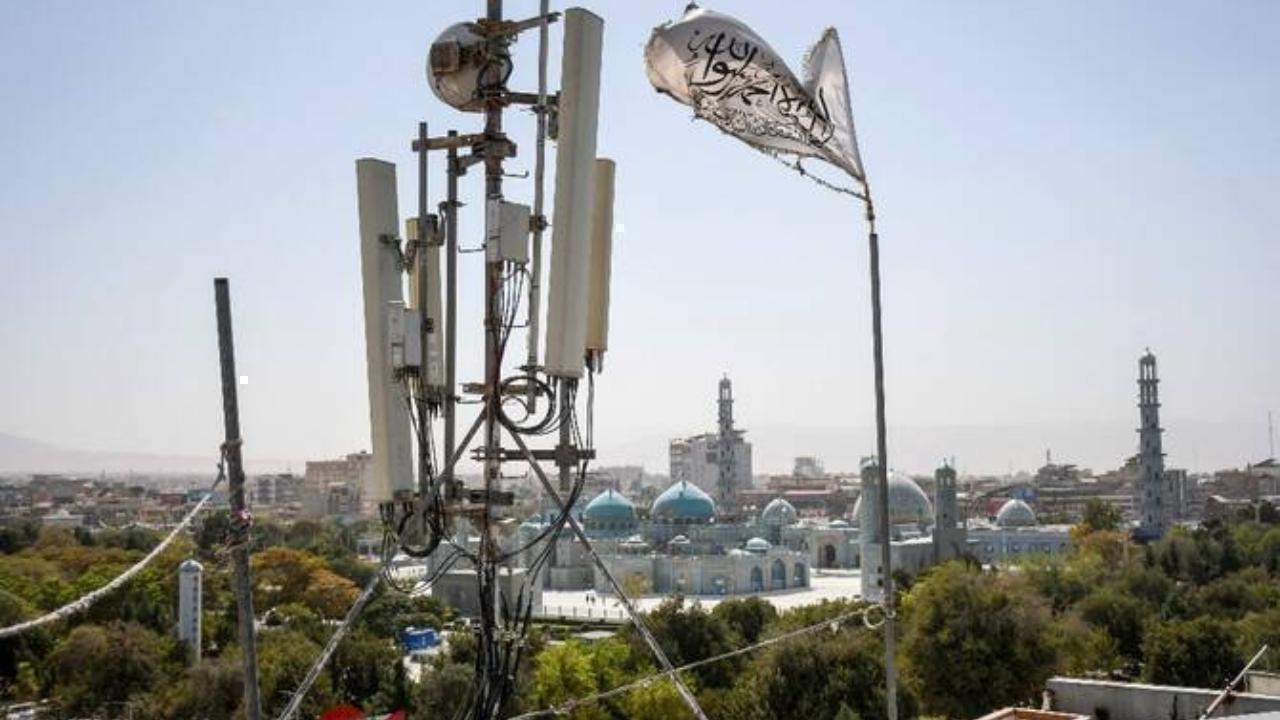
In recent weeks, Afghanistan’s Taliban leadership introduced yet another controversial restriction: banning WiFi in an Afghan province. The stated reason for this move was to stop the spread of what the leadership described as "immorality." While such explanations echo the group’s past rhetoric, this decision has wider implications—not only for social life and culture but also for education, business, and Afghanistan’s already fragile connection with the outside world.
Restriction in the Name of Morality
The Taliban has defended its decision by claiming that internet access, particularly through private WiFi networks, is promoting lifestyles and values that go against Islamic principles and Afghan traditions. According to the group’s interpretation, social media platforms, streaming sites, and messaging apps are channels of "harmful" Western influence. By cutting access to WiFi, Taliban leaders say they aim to protect Afghan society from “immoral” practices they believe are spreading among the younger generation.
But morality is not defined by technology itself. The internet is a tool that can be used for good or harm, depending on how people manage it. In societies across the world, families, teachers, and community leaders work to guide the younger generation on responsible internet use. A blanket ban, however, removes access entirely, punishing those who use it for education, business, or staying connected with loved ones.
Impact on Education
The most immediate and harsh effect of the ban has fallen upon Afghan students. Since the Taliban’s return to power in 2021, girls’ access to schools and universities has already been severely restricted. With the new WiFi ban, even boys and young men who rely on online classes, e-books, and research materials now face enormous challenges.
In today’s world, higher education cannot succeed without digital access. Online libraries, virtual lectures, video tutorials, and global classrooms are vital tools. Afghan youth who were still able to pursue online education now risk being cut off completely, setting their dreams back even further. For many students, the internet was one of the last windows to knowledge and opportunity. The Taliban’s decision slams that window shut.
Economic Consequences
Beyond education, the Afghan economy also suffers from such bans. After years of conflict and isolation, Afghanistan depends heavily on small businesses and informal trade to survive. Many shopkeepers, small traders, and self-employed workers have turned to social media platforms like WhatsApp, Facebook Marketplace, and Telegram to advertise goods and find customers.
Cutting WiFi means cutting off vital business connections at a time when job opportunities are already disappearing. For young entrepreneurs and freelancers in Afghanistan, online work was one way to earn some income even in a struggling economy. A ban on WiFi weakens these already limited opportunities, forcing Afghans into deeper poverty and dependence.
Social Isolation and Mental Health
Communication through the internet is also essential for families separated by migration, conflict, or work. Millions of Afghans live abroad, sending money home and staying in touch with their families. WiFi has been the most affordable way for Afghans to call relatives overseas. Without it, families may spend much more on expensive phone calls—or worse, lose regular contact altogether.
Such forced isolation can have emotional consequences. At a time when Afghan society is still reeling from decades of war, losing social connections and access to outside voices increases loneliness, despair, and hopelessness. Mental health, rarely supported in Afghanistan’s public system, will likely face further decline.
A Pattern of Restrictions
This WiFi ban does not exist in isolation. Since 2021, the Taliban has implemented a series of strict rules that have reduced freedoms across Afghan society. Women have been banned from higher education, blocked from most jobs, and ordered to follow rigid dress codes. Music has been banned in public. Television is censored. Public entertainment is nearly non-existent.
Step by step, ordinary Afghans have lost access to culture, work, and basic rights. In this broader context, banning WiFi is just one more tool of control. The Taliban sees technology and global connectivity as threats, not opportunities. They fear outside ideas, but this fear places Afghanistan even further apart from the modern world.
Reactions from Afghans and the World
Inside Afghanistan, many people are angry and frustrated with the WiFi ban. Students worry about their future, professionals worry about their work, and families worry about losing contact with loved ones abroad. Yet because of repression and threats, few dare to speak out openly against the decision.
Internationally, human rights groups have quickly condemned the move, calling it another violation of the Afghan people’s basic rights. Internet access is not only a modern necessity but also a recognized enabler of human rights such as education, freedom of expression, and the right to information. Cutting off access to the internet further isolates Afghanistan from the global community at a time when the country desperately needs diplomatic, social, and economic engagement.
What Lies Ahead?
The Taliban’s ban on WiFi is more than a simple rule—it is a signal of the group’s broader plans to control Afghan society. While many countries are moving toward expanding digital literacy and ensuring that more of their citizens can access the internet, Afghanistan is being pushed in the opposite direction.
If this trend continues, Afghanistan will risk becoming one of the most disconnected nations in the world—not only from a technological perspective but also from the social, cultural, and economic networks that define the 21st century. For Afghans, this could mean a return to deeper isolation similar to the late 1990s, when the Taliban previously ruled and cut the country off from most global connections.
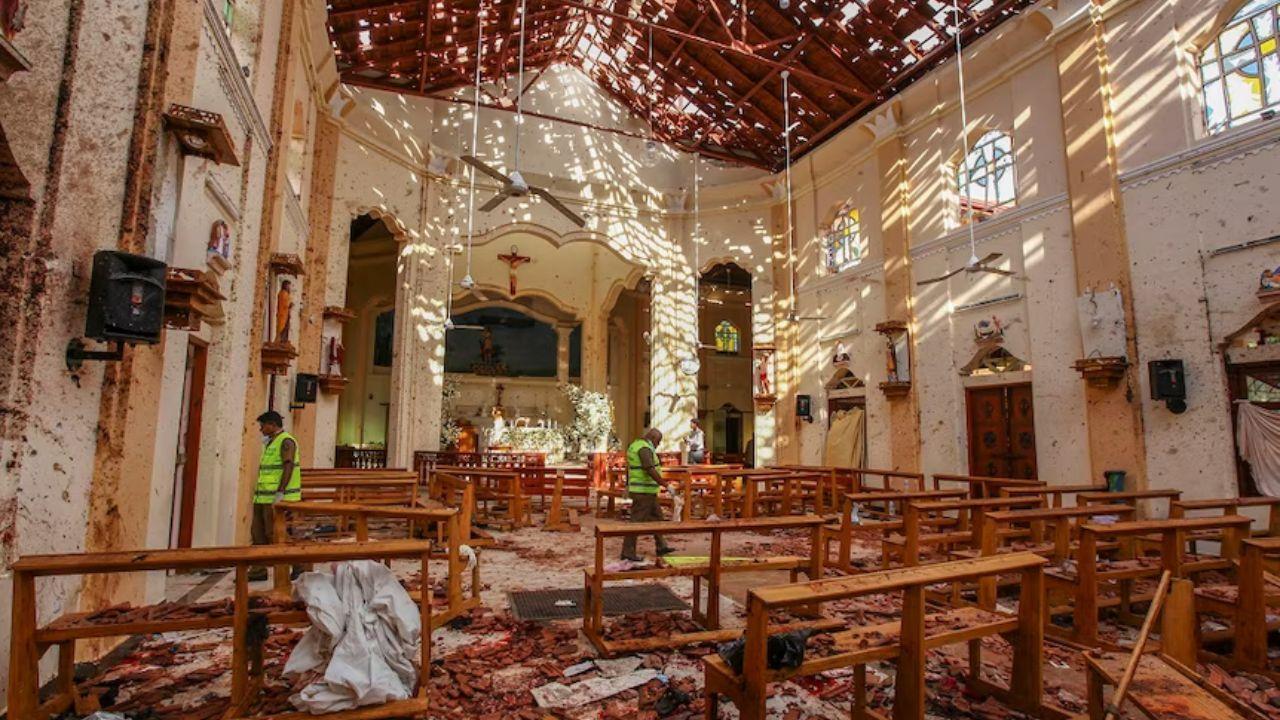








Sri Lanka Ex-Intel Chief Arrested Over Easter Attacks
Former SIS Chief Suresh Sallay arrested by CID in connection with the 2019 Easter Sunday bombings th

Japan Reports Spike in Measles Cases Authorities Issue Alert
Japan confirms 43 measles cases in early 2026, prompting health authorities to warn potential contac

Korea US Clash Over West Sea Drill Communication
Conflicting accounts emerge on prior notice briefing, and apology during Feb 18-19 US air exercise i

Richard Liu launches $690M eco-yacht brand Sea Expandary
JD.com founder Richard Liu invests $690M in Sea Expandary aiming to produce affordable green yachts

China imposes export curbs on 40 Japanese firms over military ties
Beijing restricts dual-use exports to Japanese companies, citing remilitarization concerns, promptin

Malaysia moves to protect Musang King durian amid China impostors
Authorities safeguard Malaysia’s Musang King brand as durians from Thailand and Vietnam are being fa