You have not yet added any article to your bookmarks!
Join 10k+ people to get notified about new posts, news and tips.
Do not worry we don't spam!

Post by : Anis Farhan
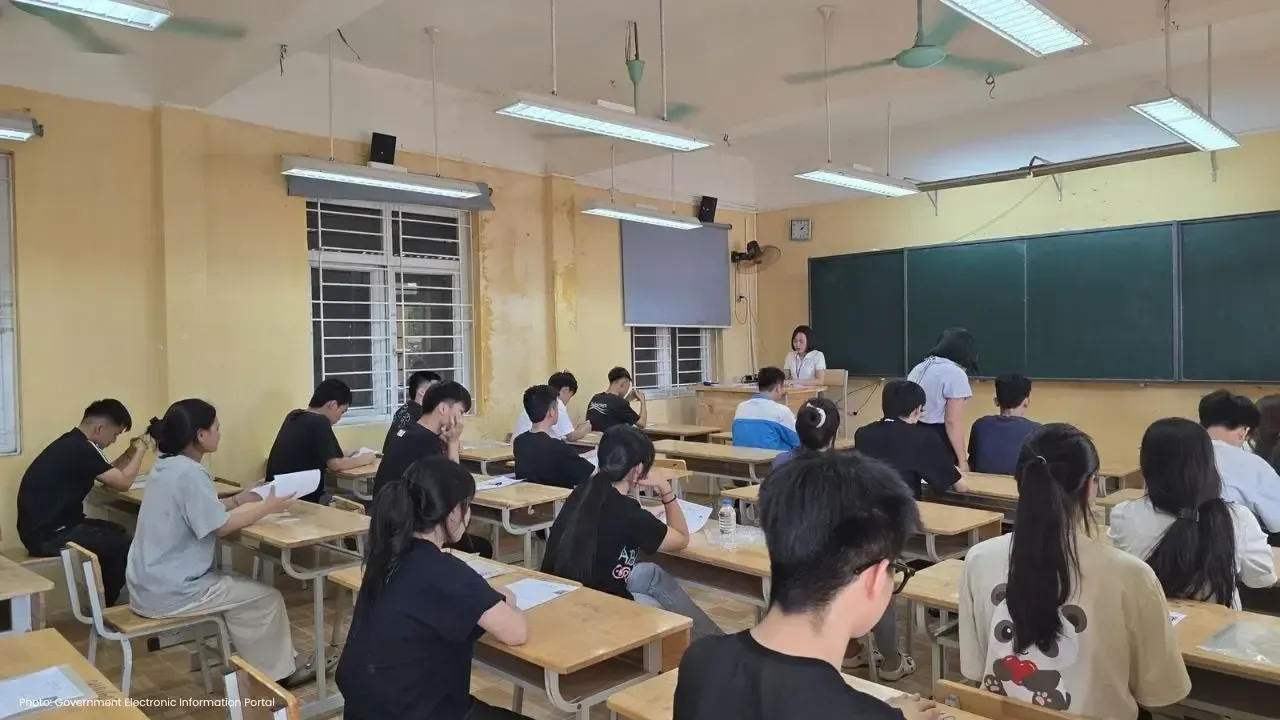
For years, a college degree was viewed as essential for career advancement, symbolizing competence and preparedness. However, as we approach 2026, this perception is shifting. Employers are increasingly valuing ability over education, redefining the criteria for professional success across various sectors.
This transformation is spurred by multiple factors, including rapid technological advancements, AI integration, a surge in remote hiring, and soaring tuition costs, revealing that traditional education may not meet the needs of modern roles. Skills that can be rapidly demonstrated and applied are proving to be more valuable than academic credentials.
This evolution does not render degrees obsolete but indicates that they are insufficient in isolation. The skills gaining prominence are those that enhance adaptability, impact, and earning potential.
Universities are slow to revise their curricula. In contrast, industries are continuously evolving. By the time educational programs update their content, the relevant tools and methods may have already changed. Employers now favor candidates who are skilled in current technologies rather than those who are only well-trained in outdated processes.
Hiring officials are increasingly impressed by tangible evidence of skills. Real-life portfolios, successful project outcomes, and innovative solutions carry more weight than mere academic degrees.
Remote work has broadened the field of candidates. Companies can hire globally, which diminishes the differentiating power of degrees. Instead, ability to deliver results, effective communication, and tangible performance now take precedence.
AI is expected to be a core competency by 2026. The top talent will be composed of individuals who can collaborate with AI rather than compete against it.
Key areas include:
Employing AI tools skillfully
Evaluating AI-generated results
Merging machine efficiency with human insight
Identifying AI shortcomings and addressing them
Proficiency in AI is becoming comparable to how essential computer literacy once was.
Several academic programs still regard AI as a niche subject. In truth, AI is becoming integral across various sectors, from marketing to healthcare. Professionals skilled in embedding AI in daily tasks are delivering instant value, often outperforming their more academically qualified counterparts.
Tools from innovators like OpenAI and Google are altering traditional workflows, and mastering them through experience proves to be faster than conventional learning.
While AI is adept at generating answers, it struggles to formulate the essential questions. The capability to outline challenges, question assumptions, and analyze trade-offs remains a distinctly human strength that is gaining in demand.
Critical thinking includes:
Dissecting complex issues
Pinpointing underlying causes
Examining risks and biases
Deciding in uncertain conditions
In environments laden with AI, mistakes can propagate swiftly. Therefore, companies are on the lookout for individuals who can think critically, identify errors, and exercise sound judgment. This capability is beneficial across various sectors, making it more resilient than mere technical knowledge.
In 2026, with attention spans diminishing, the knack for clear communication—encompassing diverse cultures, platforms, and temporal contexts—will emerge as a crucial competitive edge.
Essential communication skills entail:
Crafting concise, persuasive messages
Simplifying complex concepts
Offering and receiving constructive feedback
Presenting ideas with confidence
Many well-educated individuals struggle not due to a knowledge deficit but because they lack the ability to articulate their unique value. Those proficient in communication tend to rise faster, lead sooner, and influence decisions, regardless of their formal status.
Remote-first workplaces increasingly assess communication capabilities before technical expertise.
In 2026, businesses thrive or struggle based on their visibility. Professionals who excel in attracting, engaging, and retaining audiences are perpetually in demand.
Key competencies include:
Content strategizing
Social media development
SEO optimization and data analytics
Email communication and community building
Platforms such as LinkedIn and TikTok have opened up entirely new career trajectories where results are prioritized over formal qualifications.
Marketing dynamics shift rapidly. Algorithms constantly evolve. Those who adapt through hands-on experimentation and data-driven decisions often outperform those grounded in theoretical learning. Evidently, self-taught marketers with proven success can earn significantly more than MBA holders.
While advanced data science skills have their place, the broader market requires data interpretation—the ability to analyze insights and apply findings strategically.
Essential skill sets include:
Grasping key metrics
Posing the right analytical questions
Avoiding misinterpretation of data
Connecting data insights to business aims
Not every firm requires a dedicated data scientist. However, all need professionals capable of deciphering data. Individuals who link raw data to strategic insights are becoming indispensable.
With rising digital threats, cybersecurity knowledge is no longer restricted to IT specialists. Employees equipped with foundational security knowledge and risk management skills are in high demand.
Key areas include:
Identifying potential threats
Handling sensitive information responsibly
Understanding compliance and regulations
Adopting a defensive mindset
Cyber incidents can lead to significant financial losses and reputational harm. Professionals who can mitigate risks safeguard company value. Many cybersecurity competencies can be acquired through practical experience or short courses, often faster than through traditional degrees.
The most sought-after ability is the competency to learn swiftly and adapt continually. With changes in roles and technologies, the relevance of static skills diminishes quickly.
Agile professionals:
Independently master new tools
Transition roles with adaptability
Cultivate a curious mindset
Embrace innovation
Hiring managers often inquire: Is this candidate capable of evolving with the role? An individual’s ability to learn effectively often predicts long-term success more reliably than existing skills.
Many can conceive ideas; fewer can realize them. Professionals who embrace ownership—planning, executing, and refining—are invaluable in any work environment.
Essential execution competencies include:
Overseeing timelines
Aligning diverse stakeholders
Navigating obstacles
Reliably delivering outcomes
While degrees impart theoretical knowledge, execution translates theory into practice. Employers greatly appreciate individuals who can consistently produce high-quality work in real-world conditions. This hands-on skill is usually honed through practical experience rather than academic settings.
As automation continues to replace technical tasks, the significance of human interaction rises. Emotional intelligence—manifested through self-regulation, understanding, and interpersonal capabilities—has become more critical.
Key emotional intelligence aspects include:
Handling stress effectively
Resolving conflicts
Establishing trust
Leading without formal authority
As individuals climb the corporate ladder, success increasingly hinges on interpersonal skills rather than tools. Emotional intelligence is challenging to quantify, making it an invaluable trait as one advances.
By 2026, a significant number of career opportunities will arise from personal networks instead of traditional applications. Professionals who cultivate a strong personal brand attract roles proactively.
This includes:
Publicly sharing insights
Establishing authority in a domain
Maintaining a professional online presence
A robust reputation spreads quickly, often more so than formal credentials. Employers are placing greater trust in demonstrated expertise, particularly within remote hiring contexts.
While degrees continue to hold significance in certain regulated professions, they are increasingly recognized as one among various routes to career success, rather than the standard.
As we progress toward 2026, professional achievement will be influenced more by a combination of applicable skills than by merely accumulating credentials. A degree lacking practical skills may not yield the best outcomes, while skilled individuals can excel even without formal education.
The future work landscape will not be antagonistic toward education; it will be pro-skill. The abilities that bring value, adjust to evolving circumstances, and complement technological advancements will define true professional success.
Approaching 2026, those who learn to think critically, communicate effectively, adapt fluidly, and execute with precision will often surpass those who depend solely on educational qualifications. In a dynamic world, the most crucial 'degree' might well be the willingness and capacity to keep learning.
Disclaimer:
This article analyzes forthcoming job market trends based on observed hiring behaviors, industry insights, and technological progress. The significance of specific skills may differ based on geographical contexts and sectors, with individual outcomes heavily reliant on experience and situational dynamics.









Lamborghini Catches Fire on Singapore's ECP, Causing Heavy Traffic
A Lamborghini caught fire on Singapore's ECP, causing heavy traffic and bus delays. No injuries were

Bangkok Airport Duty-Free Area Flooded by Pipe Burst
A burst water pipe flooded the duty-free shopping area at Bangkok's Suvarnabhumi Airport on July 16,

Nine Monks Killed in Thailand Pickup Truck Tragedy
An 11-year-old boy driving a pickup truck crashed into monks during a pilgrimage in northeastern Tha
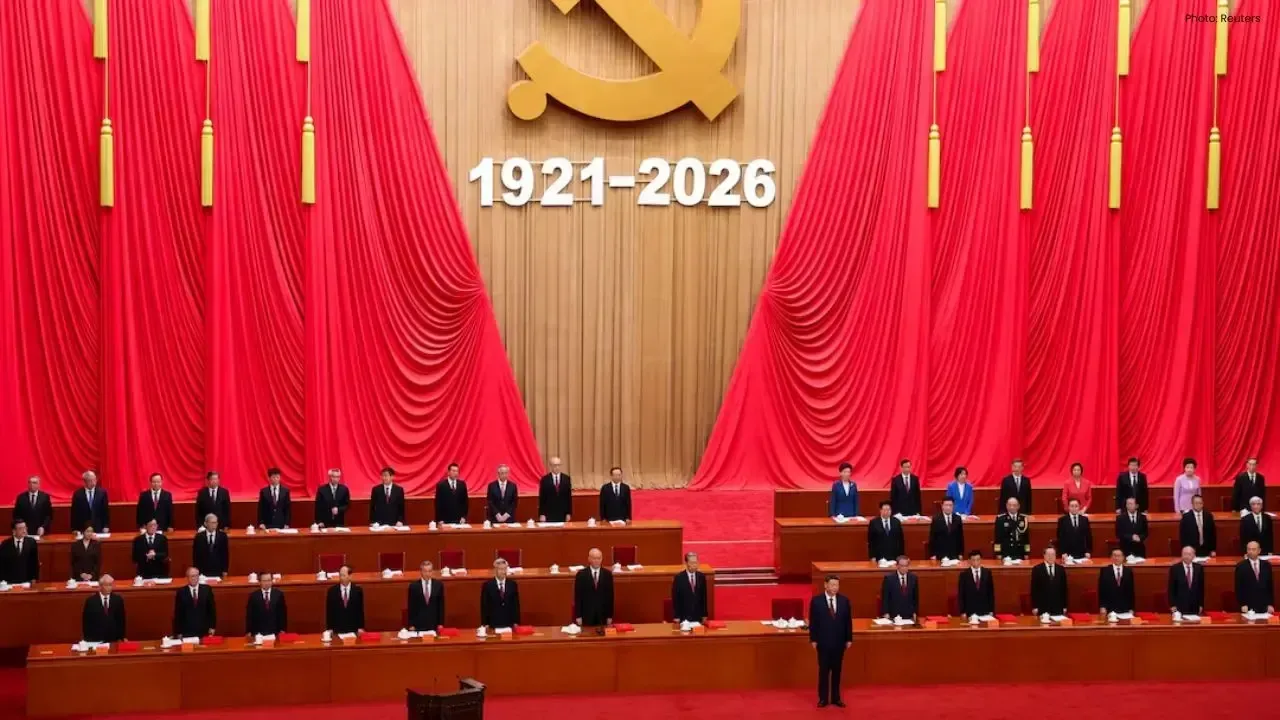
Anwar Congratulates Xi on CPC's 105th Anniversary
Malaysia reaffirms strong ties with China as PM Anwar Ibrahim sends a congratulatory letter to Presi

Thai Agriculture Team Reviews 2026 Farm Development Plans
Agriculture Ministry officials inspected livestock and organic rice projects in Nakhon Sawan to moni

Thailand, Canada Boost Ties in PM-Level Phone Talks
Thailand and Canada agreed to strengthen trade, security, OECD cooperation and ASEAN-Canada FTA talk