
You have not yet added any article to your bookmarks!
Join 10k+ people to get notified about new posts, news and tips.
Do not worry we don't spam!
Post by : Meena Ariff
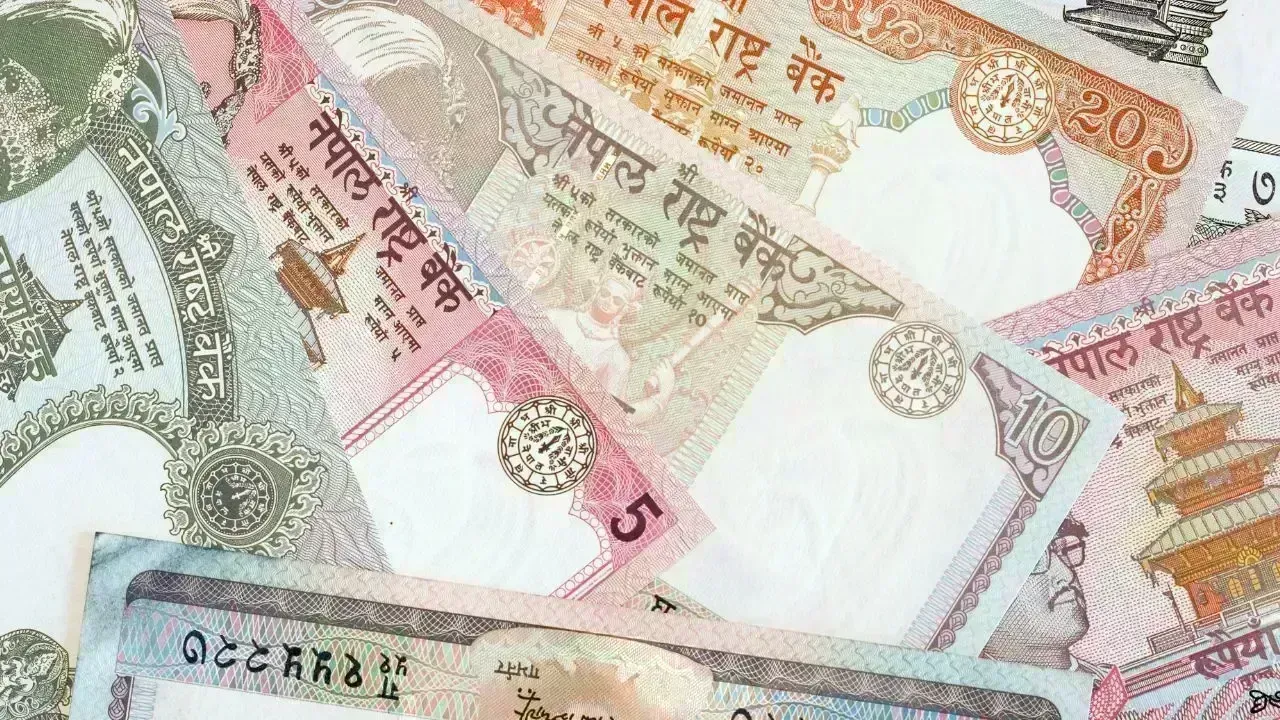
The government of Nepal has recently introduced a new regulation that limits cash transactions involving the purchase or sale of goods and services to a maximum of NPR 500,000 (approximately Rs 3,13,287) per single transaction. This new rule will come into effect starting January 15. According to this directive, any transaction amounting to NPR 500,000 or more must be carried out through a financial institution or banking channels, such as bank transfers, account-payee cheques, or other formal banking instruments.
This decision has been made in accordance with the provisions of the Asset (Money) Laundering Prevention Act, 2008, which empowers the government to impose restrictions on cash dealings to prevent illegal financial activities. The move is primarily aimed at curbing issues such as money laundering and the financing of terrorism, which are often facilitated through large cash transactions. This measure comes at a critical time when Nepal has recently been placed back on the "grey list" by the Financial Action Task Force (FATF), an international body focused on combating money laundering and terrorist financing. Being on this list calls for stricter financial regulations and better transparency to address concerns raised by FATF.
However, there are certain important exceptions to this cash transaction limit. The restriction does not apply when depositing cash into financial institutions, repaying loans (including both principal and interest) taken from banks or financial institutions, or when cash transactions occur between financial institutions themselves. Furthermore, individuals carrying or possessing cash within Nepal are not restricted by this limit, provided that the source and purpose of the cash are clearly disclosed and documented.
In line with this regulation, Nepal Rastra Bank, the country’s central bank, has issued a directive to all licensed banks and financial institutions. The directive mandates that any payment amounting to NPR 500,000 or more must be made only via an account-payee cheque or by directly depositing the amount into the concerned person’s bank account. This rule also applies to cheques issued in the name of firms, companies, institutions, or offices, which must be processed strictly as account-payee cheques to ensure traceability.
Additionally, the central bank has allowed some flexibility for cases where a depositor requires cash payments exceeding NPR 500,000. In such situations, if the depositor submits a formal application stating a valid and reasonable cause, and if the bank finds the explanation satisfactory, cash payments beyond the prescribed limit may be allowed.
This new policy is part of Nepal’s broader efforts to promote transparency and accountability in financial transactions and to align with global standards for preventing illegal financial activities. It reflects the government’s commitment to strengthening the country’s financial system and combating financial crimes.










PM Modi Pays Tribute to Mahatma Gandhi, Urges People to Support Khadi
PM Modi pays tribute to Mahatma Gandhi on Gandhi Jayanti and urges citizens to support Khadi and the

Amazon Seeks to Offload $8 Billion in Nvidia Chips to Investors
Amazon plans to move $8 billion in Nvidia chips to investors, using a new financing model to strengt

Samsung Raises Galaxy S26 Prices as Memory Chip Costs Rise
Samsung raises Galaxy S26 prices in South Korea as rising memory chip costs put pressure on smartpho

Lewis Hamilton Calls Singapore Grand Prix One of F1's Toughest Races
Lewis Hamilton discusses the demanding Singapore Grand Prix and brings Plus44 and Almave to Singapor

Denmark's Pandora Opens World's Largest Jewellery Factory in Vietnam
Pandora opens its largest jewellery factory in Vietnam, expanding global production, strengthening s

Gautam Gambhir Questions Batting-Friendly Pitches After India's Record ODI Chase
Gautam Gambhir questions batting-friendly ODI pitches after India’s record chase, calling for a bett

