You have not yet added any article to your bookmarks!
Join 10k+ people to get notified about new posts, news and tips.
Do not worry we don't spam!
Post by : Samjeet Ariff
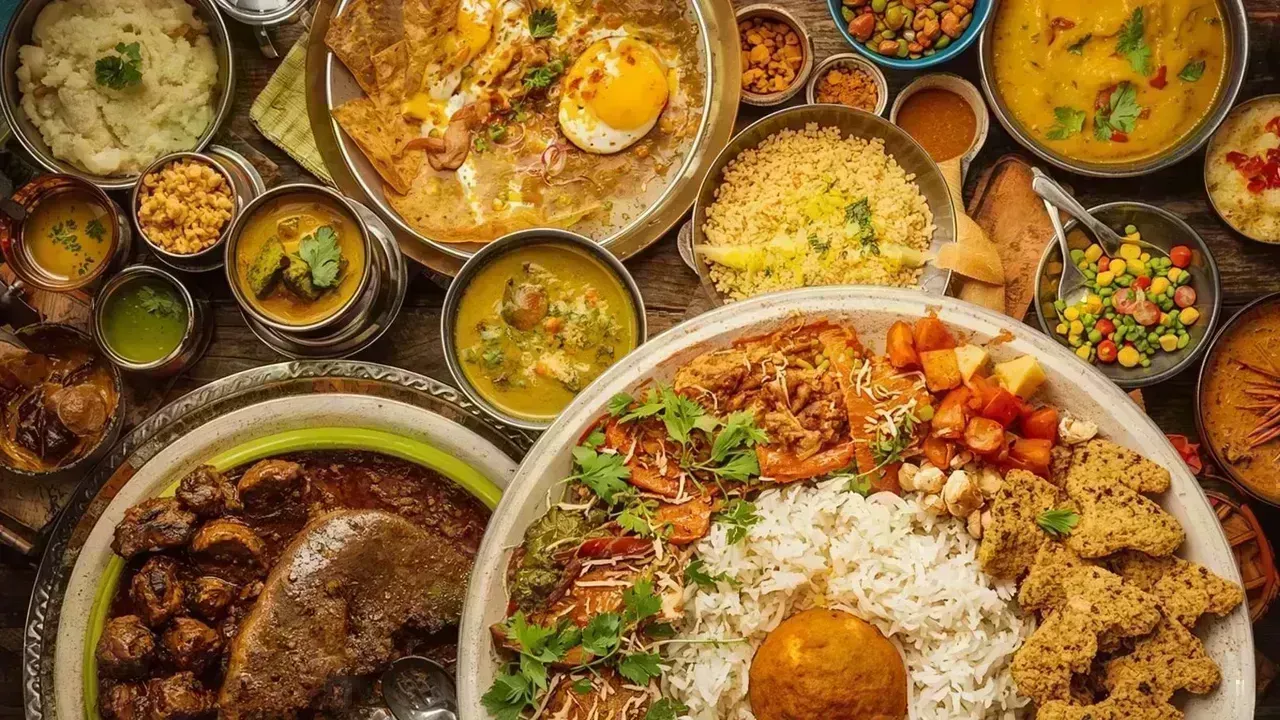
Indian cuisine is renowned globally for its vibrant flavors and aromatic spices. However, many travelers fear that every dish is fiery hot. The truth is, Indian food encompasses an array of spice levels—from mild comfort meals to intensely spicy regional specialties. Knowing the difference allows visitors to experience Indian flavors without trepidation.
In Indian food, spice doesn't always equate to chili heat. Commonly utilized spices like cumin, coriander, and turmeric enhance aroma and flavor without bringing intense heat. In contrast, chili heat derives from ingredients such as green chilies or chili powder. Thus, a dish can be both aromatic and mild.
In the Indian culinary context, “mild” is characterized by soft spicing with minimal chili. “Medium” refers to a noticeable heat that remains well-balanced, while “spicy” denotes a robust presence of chili that can be overwhelming for those unaccustomed to it. Visitors should remember that local spice tolerance is typically higher compared to Western standards.
Numerous traditional dishes are mild and perfect for newcomers.
This dish is hugely popular among tourists. Creamy and slightly sweet, butter chicken features a tomato sauce that effectively tempers spices, ensuring comfort for even the most sensitive palates.
A rich, nut-based curry, korma utilizes yogurt or cream alongside gentle spices like cardamom. Both vegetable and chicken korma are satisfying mild choices.
This hearty dish comprises slow-cooked black lentils and kidney beans enveloped in a buttery sauce. It’s creamy and filling, with very little heat, making it ideal for everyday dining.
Featuring soft vegetable or paneer dumplings in a creamy sauce, malai kofta strikes a mild yet aromatic balance.
Always a safe bet, steamed rice, naan, and plain roti help temper the heat of spicier dishes effectively.
These options deliver some heat but remain manageable when paired with rice or bread.
Slightly spicier than butter chicken, chicken tikka masala is still well-balanced, and the heat is usually manageable in tourist-friendly venues.
This dish combines spinach with cottage cheese, featuring moderate heat thanks to green chilies, offset by a creamy base.
Chole, a North Indian chickpea curry, possesses noticeable spices without heavy chili notes, delivering flavor without overwhelming heat.
Aromatic and layered, vegetable biryani can be mildly spicy based on its preparation, and is commonly safe when enjoyed with yogurt or raita.
Some Indian dishes boast a fierce heat that can pose a challenge to the uninitiated.
This Goan specialty, known for its vinegar and chili base, is intense, bursting with heat rather than creaminess.
Often considered one of the hottest curries available, phaal is rarely consumed casually and is best avoided by beginners.
Dishes from Andhra Pradesh are famous for their potent use of red chilies, delivering flavorful yet scorching heat.
Originating from Tamil Nadu, Chettinad cuisine employs black pepper and chilies liberally, escalating in heat.
The range of spice in South Indian cuisine can widely vary.
Idli and dosa are generally mild, often enjoyed with coconut chutney. While sambar can be mildly spicy, Andhra-style dishes tend to be considerably hotter.
Indian street food presents a wide array of spice levels.
Pani puri, chaat, and samosas may carry spice depending on the chutneys used. Vendors usually adjust the spice levels upon request. Options like pav bhaji and vada pav are manageable when consumed at a leisurely pace.
Foreign visitors can easily request “no spicy,” “less chili,” or “mild please.” Most eateries, particularly in tourist locales, are familiar with these terms. To counteract spice, asking for yogurt or raita is useful, as water alone won’t help.
It’s a common misconception that all Indian food is spicy. Many traditional home-cooked meals are quite mild. Curry does not automatically imply heat, and vegetarian options can also be mild.
North Indian and Mughlai dishes are typically milder, with Gujarati offerings often featuring sweetness and low heat. Kashmiri meals emphasize aroma over chili heat, while southern coastal regions and the East tend to be spicier.
Spices are cherished for facilitating digestion and enhancing flavor, perfectly suited to India’s climate. Over time, locals develop a heightened tolerance to spice, which may feel intense for newcomers.
Start with milder options and gradually expand your palate. Balance spicier meals with rice, bread, or yogurt. Avoid concluding spice levels based solely on color, as some red gravies are mild while some green ones can pack a punch. Enjoy the rich variety Indian cuisine has to offer at your own pace.
Indian food is incredibly varied, catering to a wide array of taste preferences. From soothing curries to fiery regional specialties, there’s a flavorful experience for everyone. Understanding what qualifies as mild versus spicy enables visitors to embrace Indian cuisine with confidence.
This article serves general informational purposes only. Spice intensity may differ by region, establishment, and cooking style. Always verify with restaurant staff if you have specific dietary concerns.










Lamborghini Catches Fire on Singapore's ECP, Causing Heavy Traffic
A Lamborghini caught fire on Singapore's ECP, causing heavy traffic and bus delays. No injuries were

Bangkok Airport Duty-Free Area Flooded by Pipe Burst
A burst water pipe flooded the duty-free shopping area at Bangkok's Suvarnabhumi Airport on July 16,
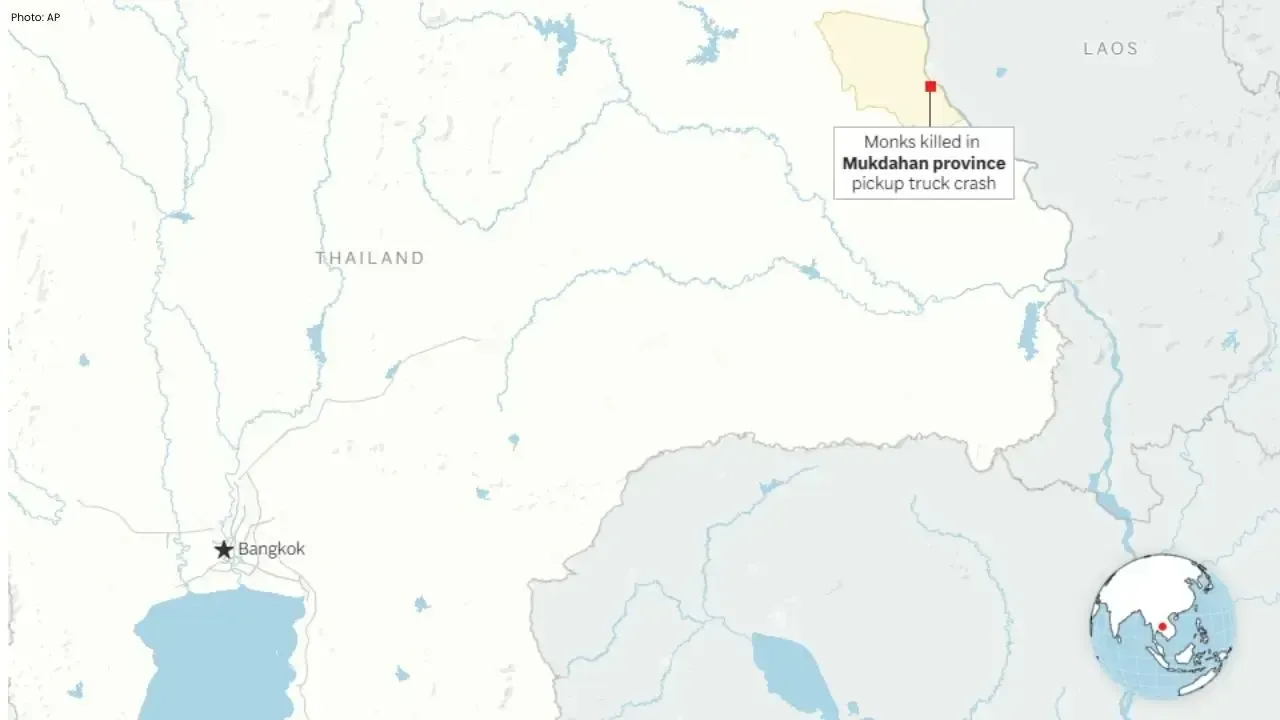
Nine Monks Killed in Thailand Pickup Truck Tragedy
An 11-year-old boy driving a pickup truck crashed into monks during a pilgrimage in northeastern Tha

Anwar Congratulates Xi on CPC's 105th Anniversary
Malaysia reaffirms strong ties with China as PM Anwar Ibrahim sends a congratulatory letter to Presi

Thai Agriculture Team Reviews 2026 Farm Development Plans
Agriculture Ministry officials inspected livestock and organic rice projects in Nakhon Sawan to moni

Thailand, Canada Boost Ties in PM-Level Phone Talks
Thailand and Canada agreed to strengthen trade, security, OECD cooperation and ASEAN-Canada FTA talk