You have not yet added any article to your bookmarks!
Join 10k+ people to get notified about new posts, news and tips.
Do not worry we don't spam!
Post by : Anis Farhan
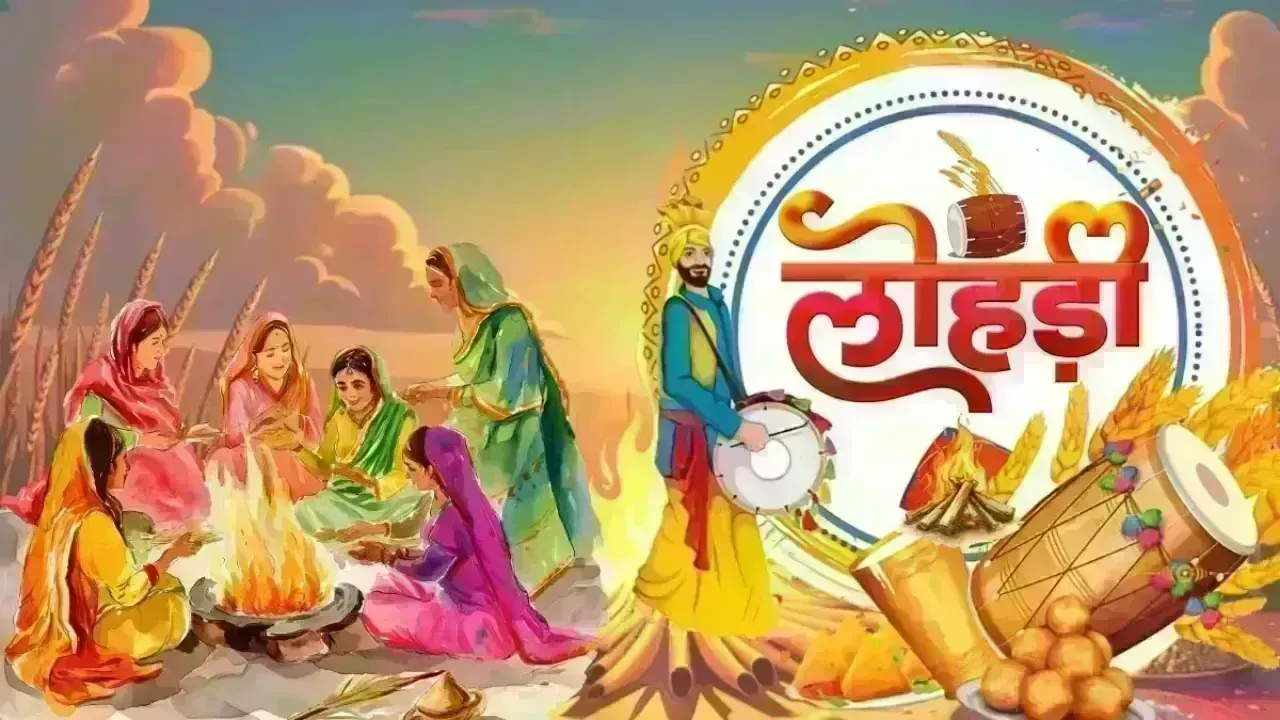
Lohri is far more than a seasonal festival; it is a deeply felt expression of community life, resilience, and gratitude. Rooted in the rural heartlands of North India, Lohri marks the emotional turning point of winter, when the cold begins to loosen its grip and the promise of brighter days slowly emerges. In 2026, Lohri once again becomes a moment of collective warmth, where firelight replaces winter darkness and shared rituals bring people closer.
The festival is inseparable from the rhythms of nature and agricultural life. For generations, farmers have looked at Lohri as a sign of hope, a pause that honors labor, patience, and faith in the land. Yet Lohri’s meaning extends well beyond farming. It represents courage, renewal, fertility, and the enduring bond between humans, seasons, and shared memory. Even as urban lifestyles evolve and celebrations change form, Lohri continues to preserve its emotional core, proving that tradition can remain alive without standing still.
Lohri is observed every year on January 13, celebrated on the eve of Makar Sankranti. In 2026, Lohri falls on Tuesday, January 13. The evening holds special significance, as celebrations traditionally begin after sunset, when families gather around the bonfire to mark the symbolic shift of seasons.
This timing is not accidental. It aligns with the sun’s gradual movement toward the northern hemisphere, a transition long associated with longer days, agricultural optimism, and positive energy. Lohri, therefore, stands at the crossroads of astronomy, agriculture, and culture.
Unlike many Indian festivals governed by the lunar calendar, Lohri follows the solar cycle. This fixed date highlights its close relationship with nature rather than ritual calculations. The consistency of Lohri’s timing reinforces its identity as a seasonal marker, closely tied to climate, crops, and the lived realities of rural communities.
Lohri’s origins lie firmly in agrarian tradition. Historically, it marked the sowing of rabi crops, particularly wheat, which sustains large parts of North India. Farmers celebrated Lohri as an acknowledgment of their labor during the cold months and as a hopeful gesture toward a prosperous harvest ahead.
The festival became a moment of rest and gratitude, recognizing the intimate relationship between human effort and natural cycles. Over time, this agricultural gratitude evolved into a broader cultural celebration that extended beyond farms into towns and cities.
One of the most cherished legends associated with Lohri is that of Dulla Bhatti, a folk hero remembered for his courage and generosity. Folk songs sung during Lohri often recount his defiance against injustice and his role as a protector of the poor. These songs transform history into living memory, passed orally from one generation to the next, ensuring that values of bravery and compassion remain central to the celebration.
The Lohri bonfire stands at the emotional and spiritual center of the festival. Fire symbolizes warmth, purification, and the sun’s life-giving energy. Lighting the bonfire signifies the burning away of negativity, fear, and hardship accumulated during winter, making space for growth, health, and prosperity.
The circular gathering around the fire reflects equality and unity. Everyone stands together, regardless of age or status, reinforcing Lohri’s message of shared humanity.
Traditional offerings include sesame seeds, jaggery, peanuts, popcorn, and rewri. These items are thrown into the fire as expressions of gratitude and hope. Families walk around the bonfire, often singing folk songs or offering silent prayers, creating an atmosphere that is both celebratory and reflective.
Lohri songs are an essential part of the festival. Sung in groups, they narrate stories of heroism, seasonal change, and community life. These songs carry history, humor, and wisdom, transforming Lohri into a living archive of regional culture.
The rhythm and repetition of these songs create a sense of belonging, connecting participants to generations who celebrated Lohri long before them.
Bhangra and Gidda dances infuse Lohri nights with energy and movement. Performed around the bonfire, these dances reflect strength, grace, and celebration. They are not performances meant for spectators alone but participatory expressions of collective happiness.
Lohri foods are simple, seasonal, and deeply symbolic. Makki di roti, sarson da saag, gajak, rewri, peanuts, and popcorn reflect the produce of winter and the agricultural landscape. These foods provide warmth and nourishment, aligning physical sustenance with cultural meaning.
Food during Lohri is never meant to be consumed alone. Sharing sweets and snacks reinforces the idea that prosperity grows when it is shared. This practice strengthens social bonds and turns individual celebration into collective joy.
Lohri holds special importance for newly married couples and families celebrating the birth of a child. The festival becomes a public acknowledgment of new chapters in life, blending personal joy with community blessings.
These celebrations reinforce Lohri’s role as a festival of continuity, where individual milestones are embraced by the larger social circle.
For children, Lohri often serves as an introduction to cultural rituals, music, and storytelling. Participation allows traditions to be absorbed naturally, ensuring that cultural knowledge is passed on not through instruction but through experience.
In cities, Lohri has adapted to modern spaces such as apartment complexes and community halls. While bonfires may be smaller and celebrations more organized, the essence of togetherness remains intact.
Urban Lohri celebrations demonstrate how traditions can evolve while preserving their emotional and cultural significance.
Technology has added new dimensions to Lohri. Virtual greetings, video calls, and online sharing allow people separated by distance to participate in the festival’s spirit. Digital platforms have expanded Lohri’s reach without diluting its meaning.
Growing awareness has encouraged more responsible Lohri celebrations. Smaller bonfires, controlled environments, and sustainable materials help balance tradition with environmental responsibility.
This shift reflects an evolving understanding that honoring nature also means protecting it.
Modern Lohri celebrations increasingly focus on rituals, family connection, and gratitude rather than extravagance. This return to simplicity reinforces the festival’s original values and emotional depth.
Lohri 2026 stands as a reminder that festivals are reflections of collective values rather than mere dates. Rooted in gratitude for nature, respect for labor, and the joy of togetherness, Lohri continues to unite generations across changing times. As bonfires glow and songs rise into the winter night, Lohri once again affirms faith in renewal, warmth, and shared hope, proving that true tradition lives not in repetition, but in continued meaning.
Disclaimer:
This article is intended solely for informational and cultural purposes. Customs, rituals, and methods of celebrating Lohri may vary across regions, families, and communities.








Jordan Burroughs Returns to Wrestling with 2028 Olympic Dream
Jordan Burroughs returns to wrestling with Real American Freestyle as the Olympic champion eyes a po

Lamborghini Catches Fire on Singapore's ECP, Causing Heavy Traffic
A Lamborghini caught fire on Singapore's ECP, causing heavy traffic and bus delays. No injuries were

Bangkok Airport Duty-Free Area Flooded by Pipe Burst
A burst water pipe flooded the duty-free shopping area at Bangkok's Suvarnabhumi Airport on July 16,
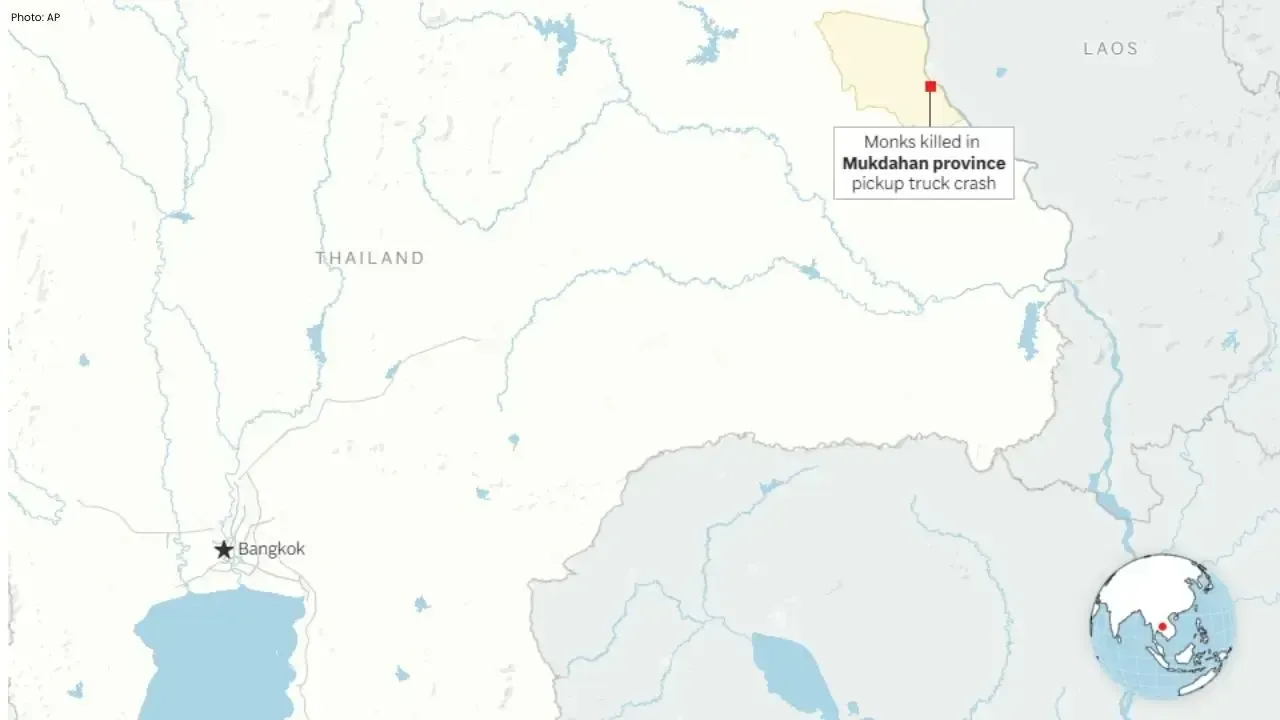
Nine Monks Killed in Thailand Pickup Truck Tragedy
An 11-year-old boy driving a pickup truck crashed into monks during a pilgrimage in northeastern Tha
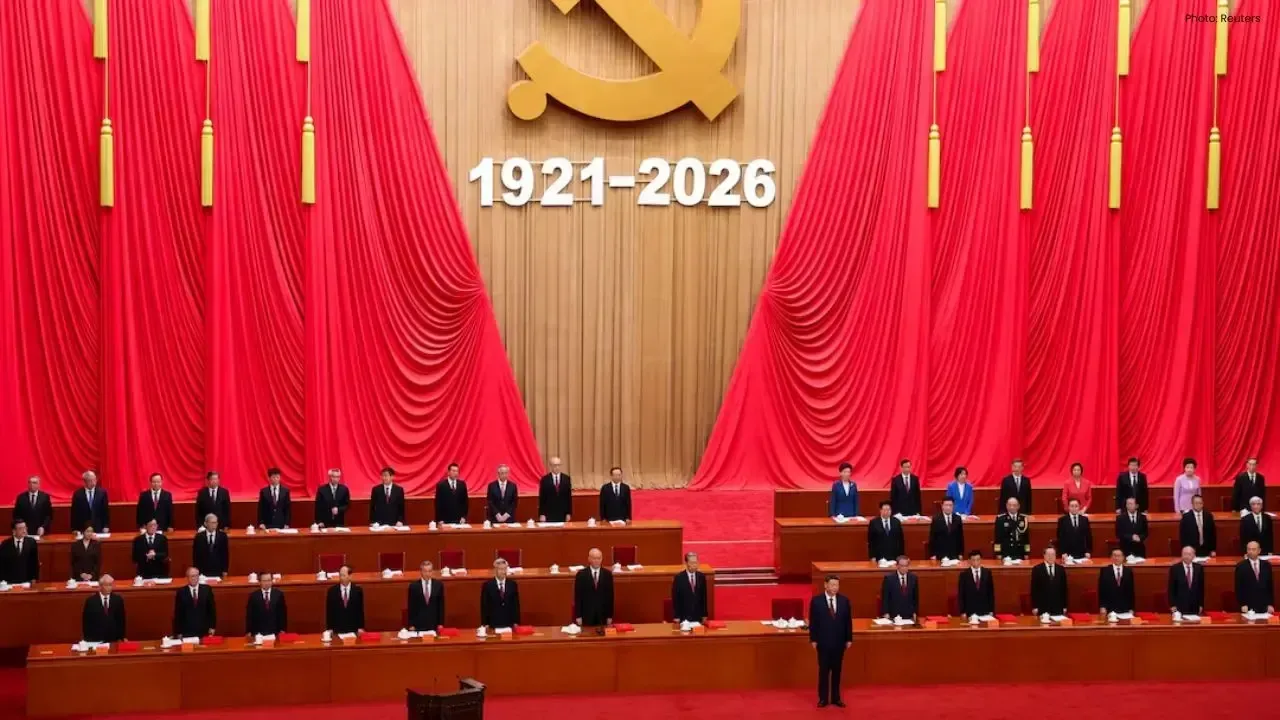
Anwar Congratulates Xi on CPC's 105th Anniversary
Malaysia reaffirms strong ties with China as PM Anwar Ibrahim sends a congratulatory letter to Presi
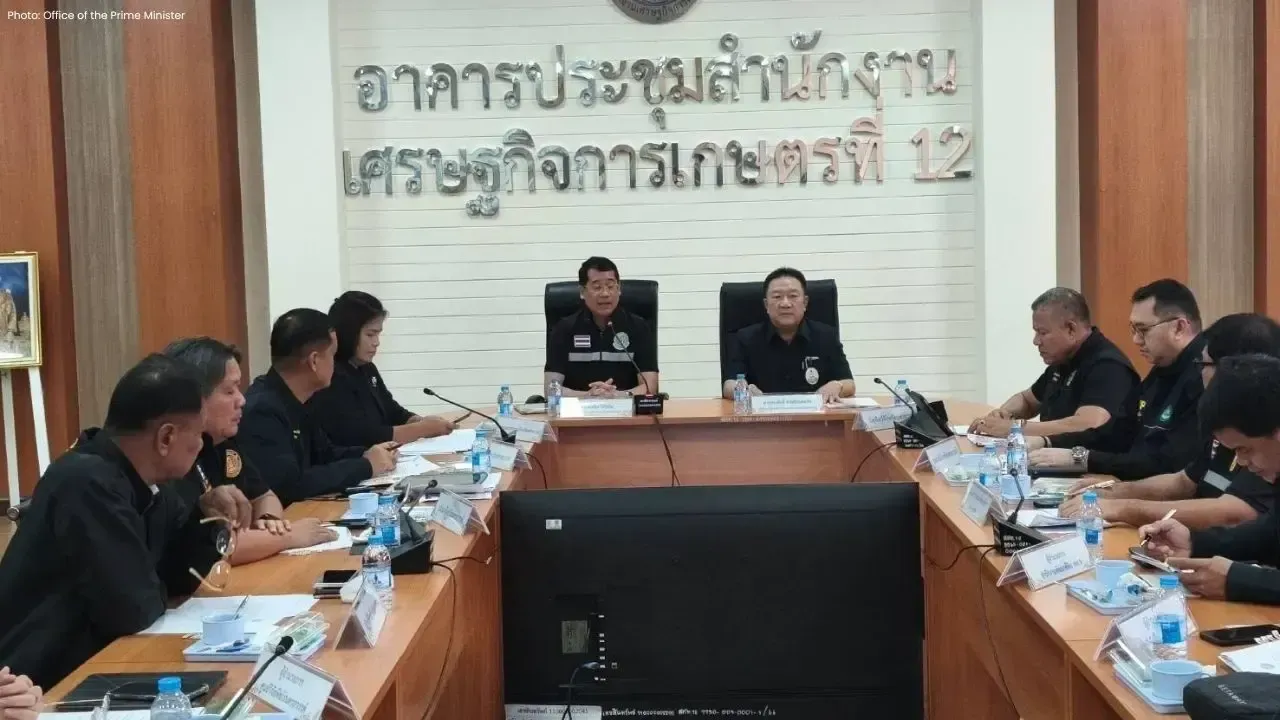
Thai Agriculture Team Reviews 2026 Farm Development Plans
Agriculture Ministry officials inspected livestock and organic rice projects in Nakhon Sawan to moni