You have not yet added any article to your bookmarks!
Join 10k+ people to get notified about new posts, news and tips.
Do not worry we don't spam!

Post by : Anis Farhan
Ten years is a short span in history, yet it has completely reshaped how people earn a living. In the early 2010s, most career guidance revolved around traditional professions — engineers, doctors, accountants, teachers, managers. While these roles still matter, an entirely new layer of jobs has emerged alongside them.
The rise of smartphones, social platforms, artificial intelligence, cloud computing, and remote work has created careers that were unimaginable a decade ago. These jobs did not appear through formal planning; they emerged organically as technology altered how people communicate, consume content, manage businesses, and solve problems.
What makes these roles remarkable is not just their novelty, but their scale. Many now employ millions globally, generate significant income, and shape entire industries.
One major reason new jobs appear so quickly is that technology evolves faster than education systems. Universities take years to design curricula, while platforms and tools can change industries in months.
As a result:
People learn skills online
Jobs form around tools, not degrees
Experience matters more than formal titles
This shift has allowed unconventional careers to flourish.
Ten years ago, posting videos or photos online was considered a pastime. Today, content creator is a full-fledged profession. Individuals now earn through brand partnerships, ad revenue, subscriptions, and merchandise.
Creators operate across:
Video platforms
Short-form content apps
Podcasts
Blogs and newsletters
What started as casual sharing has become a global creator economy.
Cheap access to cameras and smartphones
Global distribution through platforms
Direct monetisation tools
Content creation transformed attention into income.
A decade ago, companies relied on print ads and TV commercials. As audiences moved online, brands realised they needed professionals who understood digital behaviour, trends, and online conversation.
Social media managers now:
Plan content strategies
Respond to audiences in real time
Track engagement analytics
Protect brand reputation online
This role blends marketing, psychology, data, and creativity.
Ten years ago, most companies collected data but barely used it. Today, data drives decision-making across industries.
Data professionals:
Analyse consumer behaviour
Predict trends
Optimise operations
Guide business strategy
The explosion of digital platforms created massive datasets — and an urgent need for people who could interpret them.
Before smartphones, apps barely existed. Today, app developers are among the most in-demand professionals worldwide.
They build:
Mobile applications
Digital payment tools
Health and fitness apps
Entertainment and productivity platforms
This role expanded as phones became essential to daily life.
User experience (UX) and user interface (UI) design were niche concepts ten years ago. Now, they are central to product success.
UX/UI designers focus on:
Ease of use
Visual clarity
User behaviour patterns
Accessibility
As digital products multiplied, companies realised that good design directly impacts revenue and retention.
Traditional marketing relied on billboards, newspapers, and television. Today, digital marketing dominates.
This role includes:
Search engine optimisation
Online advertising campaigns
Email marketing
Conversion optimisation
Digital marketers must constantly adapt to algorithm changes and shifting consumer habits.
Ten years ago, companies maintained physical servers. Now, cloud platforms power most digital services.
Cloud specialists manage:
Data storage
Online infrastructure
Cybersecurity
Scalable systems
As businesses moved online, cloud expertise became essential.
With increased digital activity came increased risk. Cybersecurity roles barely existed in the mainstream ten years ago.
Today, analysts protect:
Financial systems
Personal data
Government networks
Corporate infrastructure
As cyber threats grew, so did demand for skilled defenders.
Artificial intelligence was once limited to research labs. Today, AI engineers build systems that:
Recommend content
Detect fraud
Power voice assistants
Automate workflows
This role is one of the fastest-growing in the global job market.
One of the newest roles, prompt engineers specialise in communicating effectively with AI systems. They design instructions that help AI generate accurate and useful outputs.
This job didn’t exist even five years ago — yet it is now critical in AI-driven companies.
As shopping moved online, businesses needed professionals to manage:
Online storefronts
Inventory systems
Digital payments
Customer journeys
E-commerce managers oversee the entire digital sales ecosystem.
Remote work existed before, but the scale was small. Today, companies operate with teams spread across continents.
Remote work coordinators handle:
Digital collaboration tools
Team productivity systems
Time-zone management
Online work culture
This role supports the global shift toward flexible work.
Environmental, social, and governance roles barely existed a decade ago. Today, organisations hire specialists to:
Reduce environmental impact
Track sustainability metrics
Ensure ethical practices
This reflects growing consumer and investor pressure for responsibility.
As remote work grew, so did demand for professionals who help individuals and companies navigate:
Visas
Tax regulations
International remote setups
This role emerged from lifestyle changes rather than technology alone.
Instead of traditional classrooms, professionals now teach skills online.
Course creators:
Design learning content
Build platforms
Monetise expertise directly
This job rose as people sought practical, affordable education.
Most new-age jobs prioritise:
Practical skills
Adaptability
Continuous learning
Formal degrees are often optional.
Every role on this list exists because:
Technology lowered barriers
Platforms enabled global reach
Tools became accessible
Jobs now form around systems, not institutions.
Ten years ago, career paths were linear. Today, they are modular.
People now:
Switch careers multiple times
Combine skills across fields
Learn continuously
The idea of a “job for life” has largely disappeared.
Instead of focusing on job titles, individuals should focus on:
Transferable skills
Digital literacy
Communication ability
Problem-solving
The most valuable workers are those who can adapt.
Based on current trends, future roles may include:
Virtual world designers
AI ethicists
Climate technology operators
Digital identity managers
History suggests many of tomorrow’s jobs do not yet have names.
The speed of innovation is accelerating, not slowing down. As automation handles routine tasks, humans will increasingly work in:
Creative roles
Strategic thinking
Emotional intelligence-driven jobs
New careers will continue to emerge where technology and human need intersect.
The jobs that didn’t exist ten years ago but are big now tell a powerful story. They show how quickly societies adapt, how technology reshapes opportunity, and how careers are no longer defined by tradition.
The most important lesson is this: the future belongs to learners, not job titles. Those who stay curious, flexible, and open to change will continue to find opportunities — even in roles that haven’t been invented yet.
This article is an analytical overview of emerging career trends based on observable changes in technology, employment patterns, and global workforce evolution. It is intended for informational purposes only.









Lamborghini Catches Fire on Singapore's ECP, Causing Heavy Traffic
A Lamborghini caught fire on Singapore's ECP, causing heavy traffic and bus delays. No injuries were

Bangkok Airport Duty-Free Area Flooded by Pipe Burst
A burst water pipe flooded the duty-free shopping area at Bangkok's Suvarnabhumi Airport on July 16,
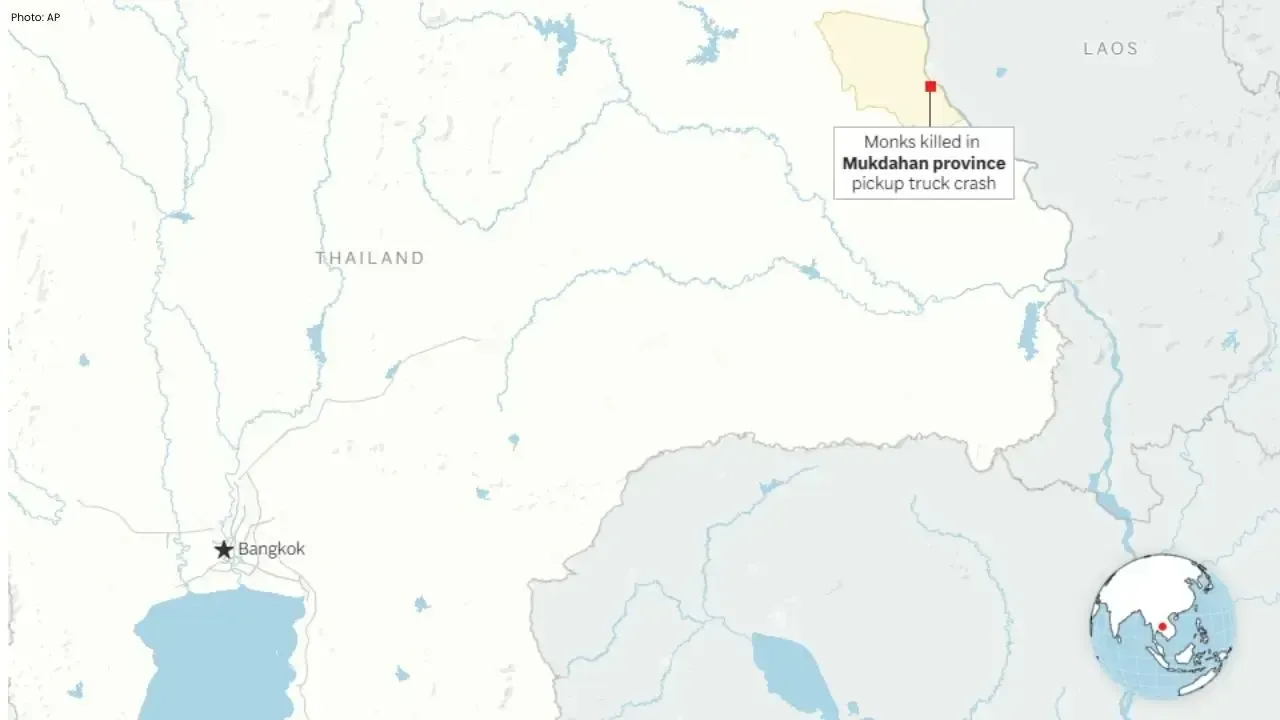
Nine Monks Killed in Thailand Pickup Truck Tragedy
An 11-year-old boy driving a pickup truck crashed into monks during a pilgrimage in northeastern Tha
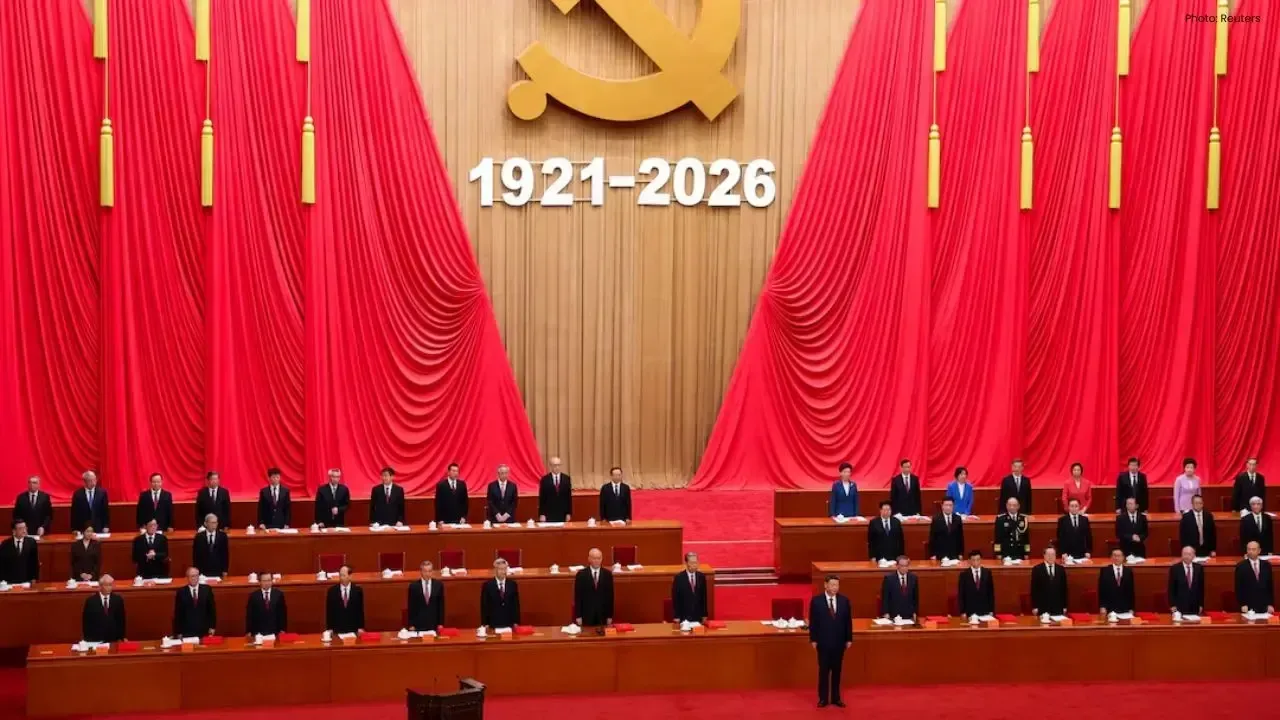
Anwar Congratulates Xi on CPC's 105th Anniversary
Malaysia reaffirms strong ties with China as PM Anwar Ibrahim sends a congratulatory letter to Presi

Thai Agriculture Team Reviews 2026 Farm Development Plans
Agriculture Ministry officials inspected livestock and organic rice projects in Nakhon Sawan to moni

Thailand, Canada Boost Ties in PM-Level Phone Talks
Thailand and Canada agreed to strengthen trade, security, OECD cooperation and ASEAN-Canada FTA talk