
You have not yet added any article to your bookmarks!
Join 10k+ people to get notified about new posts, news and tips.
Do not worry we don't spam!
Post by : Rameen Ariff
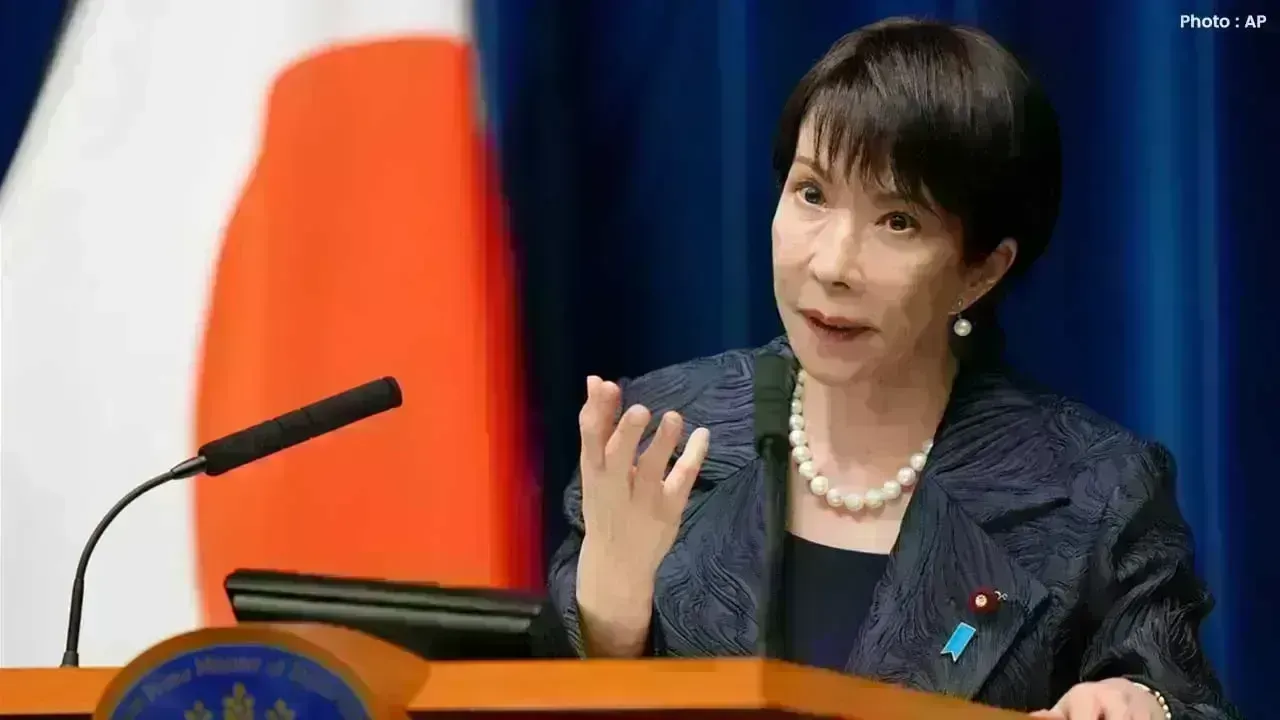
Sanae Takaichi, Japan’s inaugural female prime minister, is grappling with a controversial sumo custom that prohibits women from stepping into the sacred dohyo. Having made history in October 2025, Takaichi now faces the potential dilemma of breaching this centuries-old tradition when she presents the Prime Minister’s Cup during sumo events.
As the Kyushu Grand Sumo Tournament concludes this Sunday, the winner will be awarded the Prime Minister’s Cup. Previous male leaders, including former Prime Minister Junichiro Koizumi, have entered the ring to award this trophy. However, Takaichi is anticipated to refrain from participating this time, as she returns from the G20 summit in South Africa the following day. Her next chance to present the award will be during the New Year’s tournament in Tokyo.
The prohibition on women entering sumo rings is steeped in tradition, although the Japan Sumo Association dismisses any connections to the Shinto belief of female “impurity.” The dohyo is viewed as a holy space historically reserved for males, both in competitions and rituals. Some scholars suggest this exclusion is rooted in ancient Shinto beliefs, while others argue it simply reflects a long-standing male-dominated culture.
This controversy shines a light on broader gender-related taboos within Japan. Women have traditionally been barred from specific temples, shrines, and festivals due to beliefs surrounding menstruation and childbirth. While many of these restrictions have been lifted, some remain, particularly in professional sumo.
Takaichi is recognized for her conservative views and for upholding traditional gender norms in Japan. She has opposed legal reforms allowing married couples to retain separate surnames and supported male-only succession within the Imperial family. Entering the sumo ring might be perceived as challenging tradition, potentially jeopardizing her backing from right-wing supporters who value Japanese customs.
The discussion around women's participation in sumo is not new. In 1978, a female bureaucrat was barred from entering a children's sumo match, and in 1990, a government representative was denied entry when attempting to present the Prime Minister’s Cup. In 2018, female medical staff were ordered out of the sumo ring while rendering emergency aid, igniting public outcry against the association. Despite such incidents, the Japan Sumo Association has yet to amend its policy.
Activists and experts argue that the exclusion of women from the sumo ring is antiquated and incompatible with contemporary values. Naoko Kobayashi, a gender and religion professor, stated, “Excluding women based on male-centric traditions can no longer be justified in today’s society.”
As Japan’s inaugural female prime minister, Takaichi's decision about entering the sumo ring will garner both national and global scrutiny, underscoring the persistent struggle between tradition and gender equality in Japan.










PM Modi Pays Tribute to Mahatma Gandhi, Urges People to Support Khadi
PM Modi pays tribute to Mahatma Gandhi on Gandhi Jayanti and urges citizens to support Khadi and the

Amazon Seeks to Offload $8 Billion in Nvidia Chips to Investors
Amazon plans to move $8 billion in Nvidia chips to investors, using a new financing model to strengt

Samsung Raises Galaxy S26 Prices as Memory Chip Costs Rise
Samsung raises Galaxy S26 prices in South Korea as rising memory chip costs put pressure on smartpho

Lewis Hamilton Calls Singapore Grand Prix One of F1's Toughest Races
Lewis Hamilton discusses the demanding Singapore Grand Prix and brings Plus44 and Almave to Singapor

Denmark's Pandora Opens World's Largest Jewellery Factory in Vietnam
Pandora opens its largest jewellery factory in Vietnam, expanding global production, strengthening s

Gautam Gambhir Questions Batting-Friendly Pitches After India's Record ODI Chase
Gautam Gambhir questions batting-friendly ODI pitches after India’s record chase, calling for a bett

