You have not yet added any article to your bookmarks!
Join 10k+ people to get notified about new posts, news and tips.
Do not worry we don't spam!
Post by : Meena Ariff
Photo:AFP
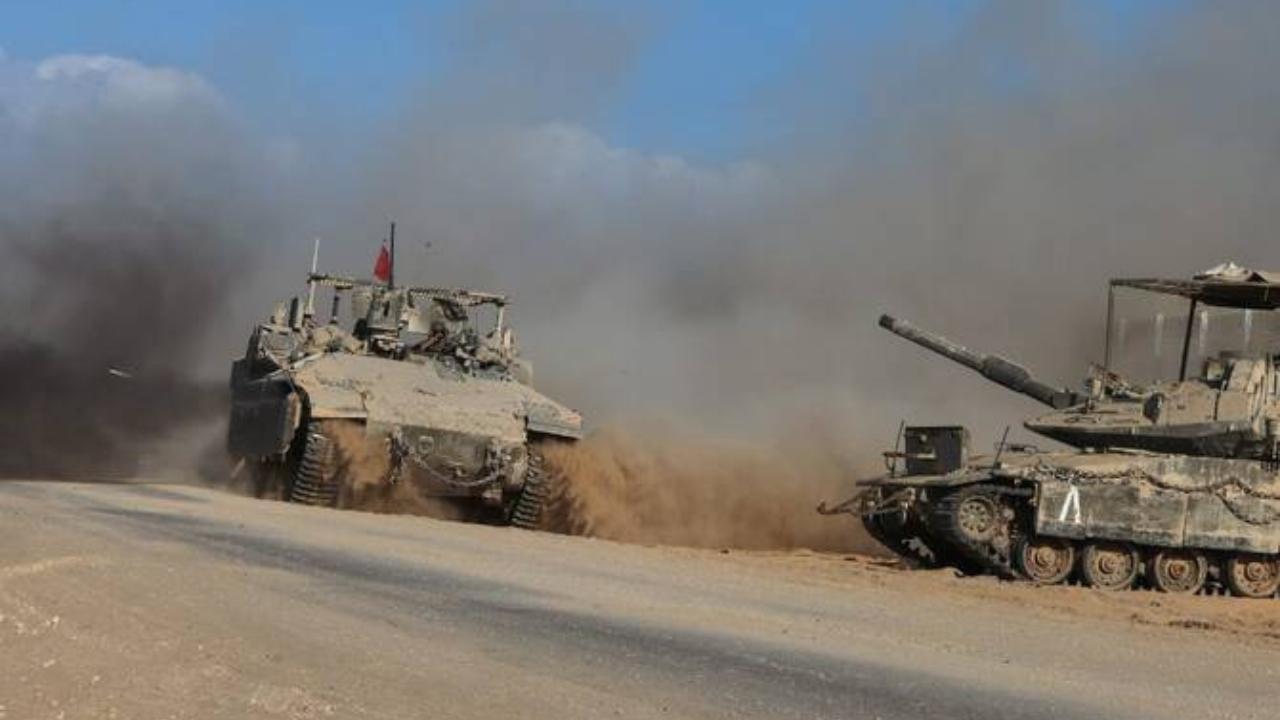
The latest military escalation in Gaza has pushed the ongoing Israel–Hamas war into an even more dangerous stage. On Monday, Israel’s army confirmed it had begun a large-scale ground operation in Gaza City, warning residents to evacuate immediately. The move signals a deepening of one of the most destructive conflicts in recent years—raising urgent questions about humanitarian safety, military objectives, and the prospects for peace.
A City Under Siege
Gaza City, the most populated part of the Gaza Strip, has long been at the heart of this conflict. With around half of Gaza’s 2.2 million people previously living in and around the city, the Israeli decision to expand operations here affects hundreds of thousands directly.
The Israeli Defense Forces (IDF) stated that their troops have entered new neighborhoods, supported by airstrikes and artillery. Flyers were dropped from the sky, and loudspeakers broadcast warnings in Arabic, urging residents to leave “for your safety.” Officials said the focus is to root out Hamas militants they believe are operating inside densely packed civilian areas.
For civilians, however, evacuation is not a simple option. Many neighborhoods have already been bombed, major roads have been destroyed, and fuel shortages mean vehicles are scarce. Families who had already left their homes earlier in the war now face displacement for the second or even third time.
Israel’s Strategic Aim
Israel has repeatedly said that its major aim is to dismantle Hamas’ military networks. According to Israeli officials, Gaza City is a central command hub, containing tunnels, stockpiles, and key leadership centers. The expanded ground offensive, according to their strategy, is designed to weaken Hamas’ ability to launch rockets into Israel and to prevent future cross-border attacks.
This operation, however, comes at enormous cost. In pursuing these targets inside one of the world’s most crowded urban regions, Israel faces the near-impossible balance of striking militants without harming civilians. Independent reports suggest that houses, hospitals, schools, and even U.N. shelters have been badly hit, putting Israel under growing global criticism.
The Humanitarian Crisis
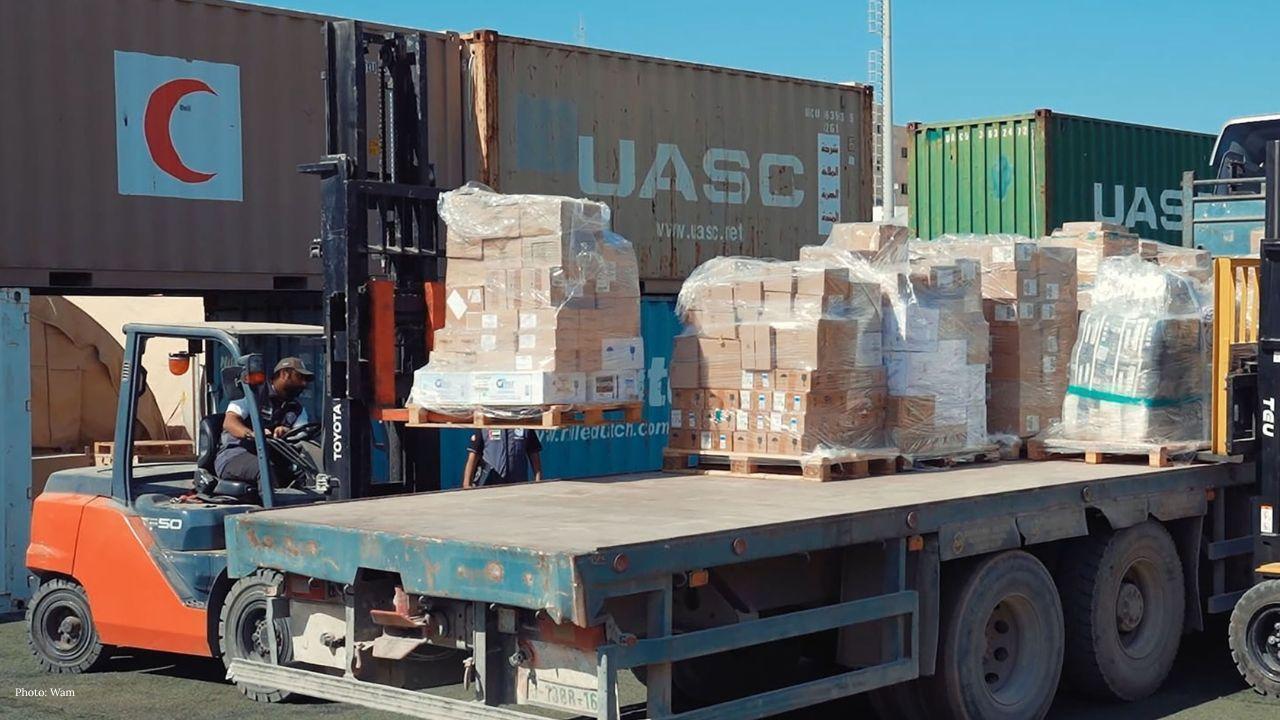
The civilian cost is staggering. Gaza’s Health Ministry has reported rising casualties, though numbers remain uncertain due to the scale of destruction and communications blackouts. Hospitals are collapsing under pressure, with doctors trying to operate without anesthesia, medical kits, or consistent electricity. Fuel for generators is dangerously short, forcing staff to make impossible choices about who receives life-saving care.
International aid groups say the humanitarian situation is “unlivable.” Clean water is running out, sanitation systems are failing, and repeated evacuations are breaking apart families. The United Nations has called the situation catastrophic, warning that Gaza is on the brink of a complete humanitarian collapse.
Voices of Fear and Defiance
Inside Gaza City, residents describe scenes of chaos. Parents clutch children as they walk for miles in intense heat, searching for safe shelter. Others refuse to leave, fearing that evacuation routes are no safer than staying home. Many know that “safe” areas in southern Gaza are already overcrowded and themselves under attack.
Meanwhile, Hamas officials have accused Israel of using civilian suffering as a weapon. They argue that the displacement and destruction are designed to pressure the population into submission. Hamas, however, continues to launch rockets into Israel, keeping the cycle of violence alive.
International Response
The global reaction to this latest military push has been divided.
Western governments like the United States and the United Kingdom have underlined Israel’s right to self-defense. However, they have also urged restraint and pressed Israel to avoid large civilian casualties.
Regional players, including Egypt and Qatar, have condemned the operation as reckless, and they warn it risks destabilizing the entire region. Both countries are also trying to mediate ceasefire talks.
The United Nations and humanitarian organizations have intensified their calls for an immediate cessation of hostilities. They warn that without urgent international action, the war will push Gaza into a full-scale humanitarian disaster with long-term consequences for regional peace.
Lessons from Past Wars
This escalation is not without precedent. Past conflicts between Israel and Hamas—in 2009, 2014, and 2021—saw similar cycles of battle, destruction, and rebuilding. Each time, thousands of Palestinians died, Israeli civilians lived in fear of rocket fire, and the region drew sharp divides across the world. Yet none of those wars produced a lasting solution.
The same risk looms today. Military operations may weaken Hamas temporarily, but unless there is a political and diplomatic path forward, experts warn that violence will erupt again. The reliance on force without parallel negotiations has left both Palestinians and Israelis locked in a conflict with no clear end.
Why Gaza City Matters
Gaza City is not only important militarily. It is also symbolic. For Hamas, holding onto Gaza City means retaining its identity as Gaza’s chief political and military force. For Israel, controlling or significantly weakening the city’s strongholds represents victory against a group it considers an existential threat.
But this battle over symbolism and power is being fought in the streets, homes, and hospitals of ordinary families. Children, students, elderly residents, and everyday workers are now caught between rockets, tanks, and collapsing buildings.
Searching for Peace Amid Destruction
At the heart of this tragedy is the absence of a peace process. International mediators have so far failed to make serious progress toward either a short-term ceasefire or a longer-term solution. Each side remains entrenched in its own version of security and resistance: Israel insists survival depends on defeating Hamas; Hamas claims it is resisting occupation and blockade.
For ordinary Palestinians and Israelis, neither narrative offers immediate relief. What matters to them is safety, dignity, and hope for the future. As conflict drags on, those hopes are being shattered daily.








Sri Lanka Ex-Intel Chief Arrested Over Easter Attacks
Former SIS Chief Suresh Sallay arrested by CID in connection with the 2019 Easter Sunday bombings th

Japan Reports Spike in Measles Cases Authorities Issue Alert
Japan confirms 43 measles cases in early 2026, prompting health authorities to warn potential contac

Korea US Clash Over West Sea Drill Communication
Conflicting accounts emerge on prior notice briefing, and apology during Feb 18-19 US air exercise i

Richard Liu launches $690M eco-yacht brand Sea Expandary
JD.com founder Richard Liu invests $690M in Sea Expandary aiming to produce affordable green yachts

China imposes export curbs on 40 Japanese firms over military ties
Beijing restricts dual-use exports to Japanese companies, citing remilitarization concerns, promptin

Malaysia moves to protect Musang King durian amid China impostors
Authorities safeguard Malaysia’s Musang King brand as durians from Thailand and Vietnam are being fa