
You have not yet added any article to your bookmarks!
Join 10k+ people to get notified about new posts, news and tips.
Do not worry we don't spam!
Post by : Dr. Amrinder Singh
Scroll through TikTok, Instagram Reels or YouTube Shorts today and one thing becomes instantly clear. Being Chinese is suddenly cool.
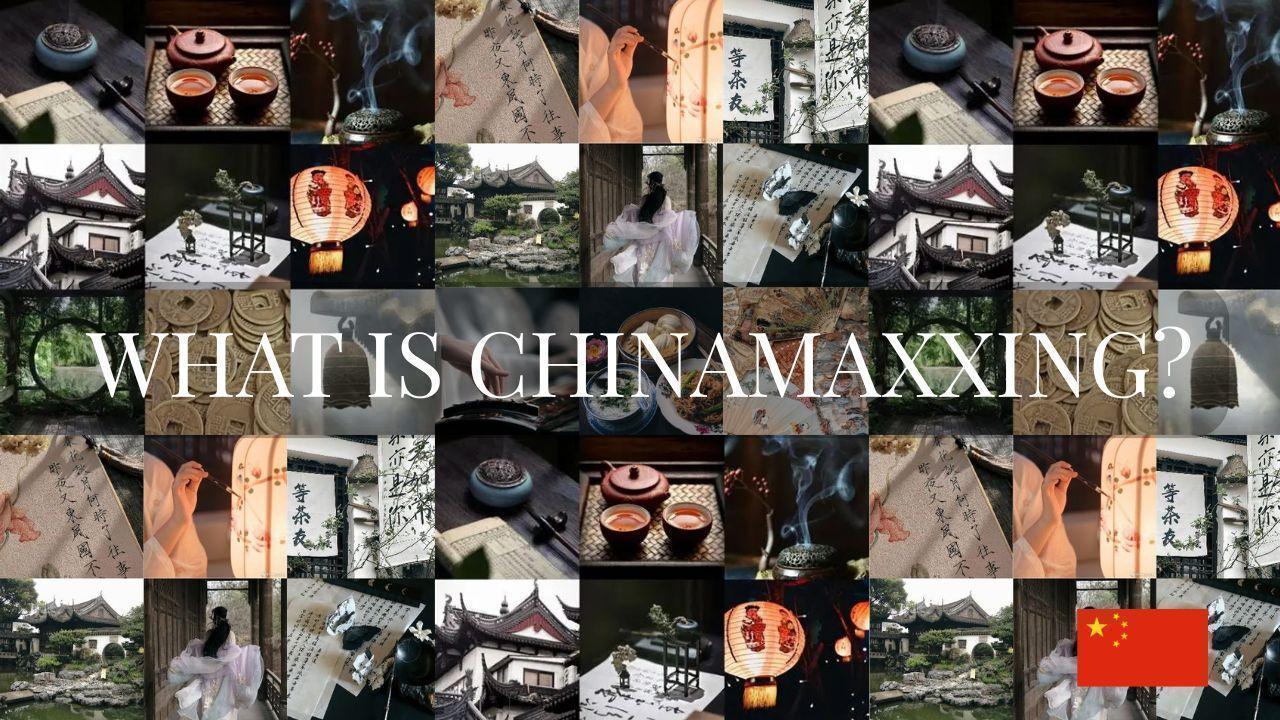
Across Asia, Gen Z creators are openly embracing Chinese habits, aesthetics, language and lifestyle. From learning Mandarin slang to praising Chinese discipline, food culture and city life, a new digital trend has quietly taken over youth spaces online. Many users call it Chinamaxxing. Others simply see it as admiration. Either way, it is reshaping how young Asians see identity, success and culture.
This is not about nationality. It is about aspiration.
For decades, global youth culture was shaped largely by Western influence. English language content, American pop culture and European fashion dominated what was considered trendy. Gen Z in Asia is now rewriting that script.
Young people are increasingly proud of Asian systems, values and aesthetics. China, with its rapid development, strong infrastructure, futuristic cities and disciplined social systems, has become a powerful reference point. Videos praising Chinese public transport, work ethic, street food hygiene and digital convenience rack up millions of views.
To Gen Z, this represents efficiency, order and progress.

The trend did not start in classrooms or policy circles. It started on phones.
Short videos comparing life in Chinese cities versus other countries, meme edits glorifying Chinese routines, and creators explaining why learning Mandarin gives an edge have flooded platforms. Algorithms amplified curiosity. Curiosity became admiration.
Gen Z consumes culture visually. Clean cityscapes, high speed trains, aesthetic cafes, calm street life and a sense of structure resonate deeply with a generation tired of chaos and uncertainty.
Chinamaxxing does not mean abandoning one’s roots. Instead, it reflects a hybrid identity.
A Malaysian creator might praise Chinese study discipline. An Indian student might learn Mandarin for career growth. A Filipino influencer might romanticize Chinese night markets. The admiration is selective, symbolic and personal.
For Gen Z, identity is fluid. They borrow what works, what looks good and what feels empowering.
This trend also highlights how soft power works today. It is no longer driven by governments or institutions. It is driven by creators, visuals and lived experiences shared online.
China’s influence on Asian youth is growing not through speeches, but through daily life clips that show order, opportunity and advancement. Whether intentional or organic, the impact is real.
Understanding this trend is important because Gen Z is shaping the future workforce, consumer behavior and cultural narrative of Asia. Their admiration signals where aspirations are shifting.
It also shows a broader Asian awakening. Youth are no longer automatically looking West for inspiration. They are looking within Asia itself.
And that might be the most powerful trend of all.










PM Modi Pays Tribute to Mahatma Gandhi, Urges People to Support Khadi
PM Modi pays tribute to Mahatma Gandhi on Gandhi Jayanti and urges citizens to support Khadi and the

Amazon Seeks to Offload $8 Billion in Nvidia Chips to Investors
Amazon plans to move $8 billion in Nvidia chips to investors, using a new financing model to strengt

Samsung Raises Galaxy S26 Prices as Memory Chip Costs Rise
Samsung raises Galaxy S26 prices in South Korea as rising memory chip costs put pressure on smartpho

Lewis Hamilton Calls Singapore Grand Prix One of F1's Toughest Races
Lewis Hamilton discusses the demanding Singapore Grand Prix and brings Plus44 and Almave to Singapor

Denmark's Pandora Opens World's Largest Jewellery Factory in Vietnam
Pandora opens its largest jewellery factory in Vietnam, expanding global production, strengthening s

Gautam Gambhir Questions Batting-Friendly Pitches After India's Record ODI Chase
Gautam Gambhir questions batting-friendly ODI pitches after India’s record chase, calling for a bett

