
You have not yet added any article to your bookmarks!
Join 10k+ people to get notified about new posts, news and tips.
Do not worry we don't spam!
Post by : Saif Rahman
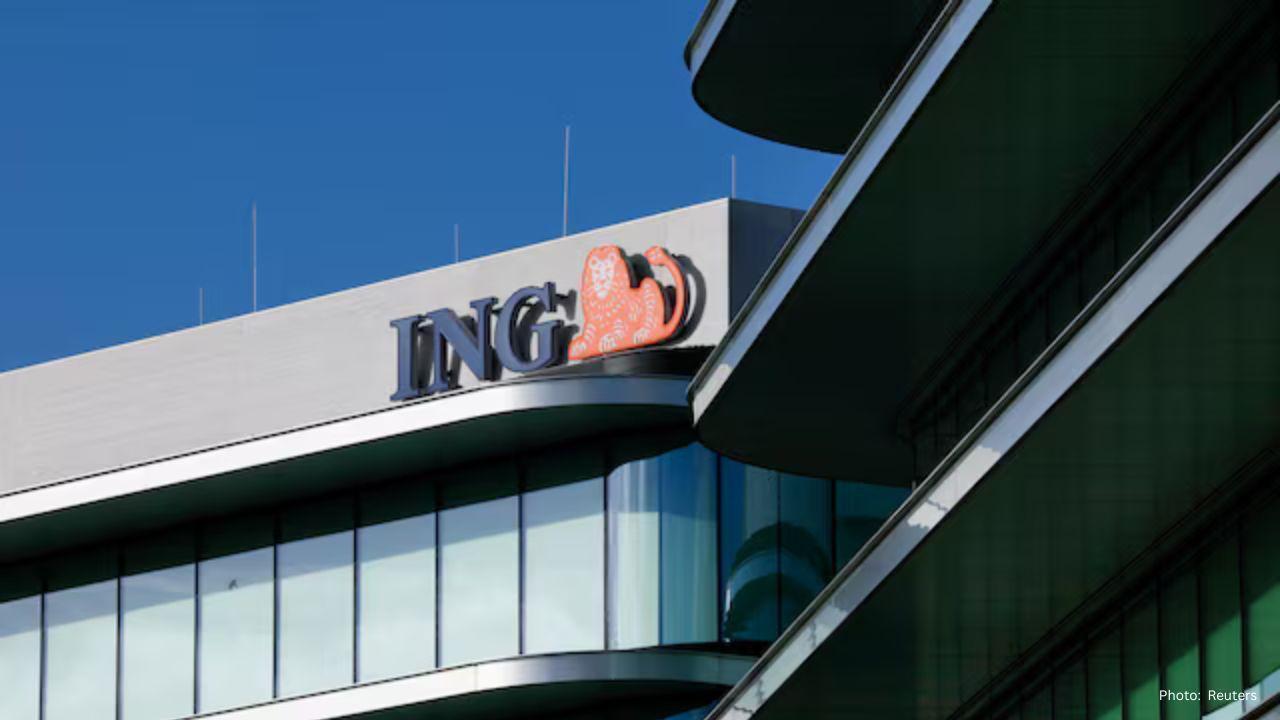
A significant coalition of European banking institutions has embarked on an ambitious initiative to redefine digital payments on the continent. Ten prominent banks, including industry leaders like ING and UniCredit, have established a new entity in Amsterdam with the goal of launching a euro-pegged stablecoin—a digital currency intended to maintain a stable value equivalent to the euro.
This strategic move underscores Europe’s determination to assert its presence in the global digital payments arena, which is currently dominated by the United States. European authorities and banking leaders have long raised concerns about the region’s heavy dependence on U.S. tech firms and their payment systems. By pioneering their own stablecoin, these banks aim to deliver a secure, reliable, and locally-developed digital payment method for European citizens.
The management team behind this venture boasts substantial experience in the financial technology sector. Jan-Oliver Sell, a former Coinbase executive in Germany, will step in as CEO, bringing his expertise in digital assets and international exchanges to the forefront. Floris Lugt from ING will take on the CFO role, contributing his extensive technical and financial insight. Additionally, Howard Davies, the former chair of NatWest and a highly regarded figure, will preside over the new company's board.
The proposed stablecoin is designed to be backed 1:1 by euros, ensuring that the digital currency maintains an equivalent value to its traditional counterpart. This design aims to instill trust among consumers and businesses by providing a digital payment solution free from the volatility commonly associated with cryptocurrencies.
The banks envision this stablecoin being utilized for various transaction types, including shopping, online payments, and cross-border transfers. It has the potential to facilitate faster and more cost-effective transactions between individuals and businesses throughout Europe, catering to the growing demand for seamless digital payment experiences.
A fundamental objective of this initiative is to bolster Europe’s financial sovereignty. By developing a European stablecoin, these banks seek to enhance regional control over the digital payment landscape, which has primarily been dominated by U.S. firms. European leaders view this reliance as a strategic vulnerability, particularly in an era of heightened global competition.
However, this announcement marks just the initial step in a longer journey. The new stablecoin will need to comply with stringent European Union regulations, including the MiCA (Markets in Crypto-Assets) framework. These regulations demand robust consumer protections, transparent financial disclosures, and secure asset backing. While the banks are confident in their ability to adhere to these standards, obtaining the necessary approvals could be time-consuming.
In the meantime, the establishment of this new enterprise signifies a crucial advancement in Europe's digital trajectory. It demonstrates that the continent is not merely responding to global shifts but is prepared to innovate and compete aggressively. Should it succeed, the euro stablecoin could become an essential component of contemporary payment practices throughout Europe.
This initiative also conveys that traditional banking institutions are no longer passive participants in the digital finance sphere. They are now actively engaging in the development of innovative solutions intended to transform the payment landscape for individuals and businesses in the coming years.
The months ahead will reveal how swiftly this new entity transitions from concept to execution. Nonetheless, one fact remains evident: Europe is preparing to take on a more assertive and significant role within the digital economy.







Hyundai raises profit target, expands hybrid lineup in the US
Hyundai hybrid cars get a major boost as the automaker raises its profit margin target and plans new

Josh Kerr and Jakob Ingebrigtsen Set for 1,500m Rivalry Rematch
Josh Kerr and Jakob Ingebrigtsen will renew their 1,500m rivalry at the Ultimate Championship in Bud

PSG Coach Luis Enrique Urges Players to Step Outside Comfort Zone
PSG coach Luis Enrique says players must leave their comfort zone and keep improving as the club tar

China’s Tiangong Sets New 400m Record at Robot Olympics
China’s Tiangong robot sets a new 400m record at the Robot Olympics, beating a South African robot i

George Russell Wins Dutch GP Sprint, Boosts Mercedes Morale
George Russell wins the Dutch GP Sprint from pole as Mercedes teammate Kimi Antonelli extends his F1

Australia 50/3 After Bangladesh Bowled Out for 64 in Second Test
Australia reached 50/3 after Bangladesh were bowled out for 64 in the second Test, with Mitchell Sta

