
You have not yet added any article to your bookmarks!
Join 10k+ people to get notified about new posts, news and tips.
Do not worry we don't spam!
Post by : Saif Rahman
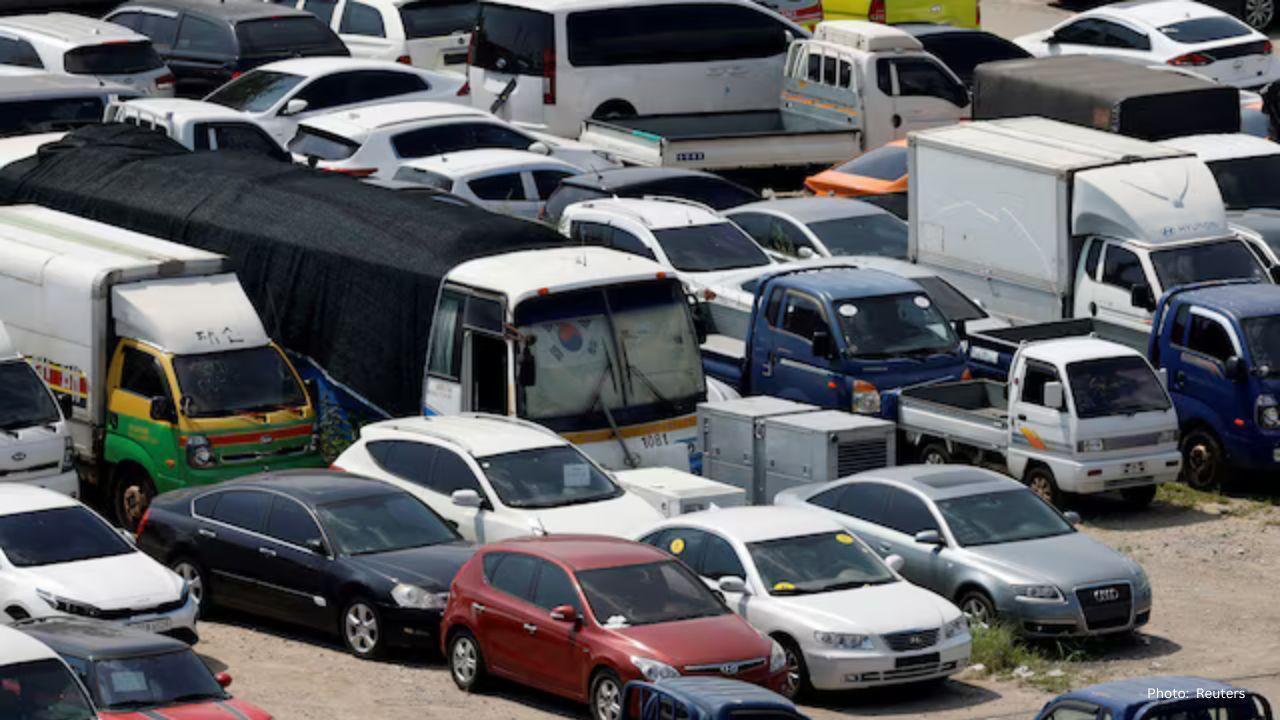
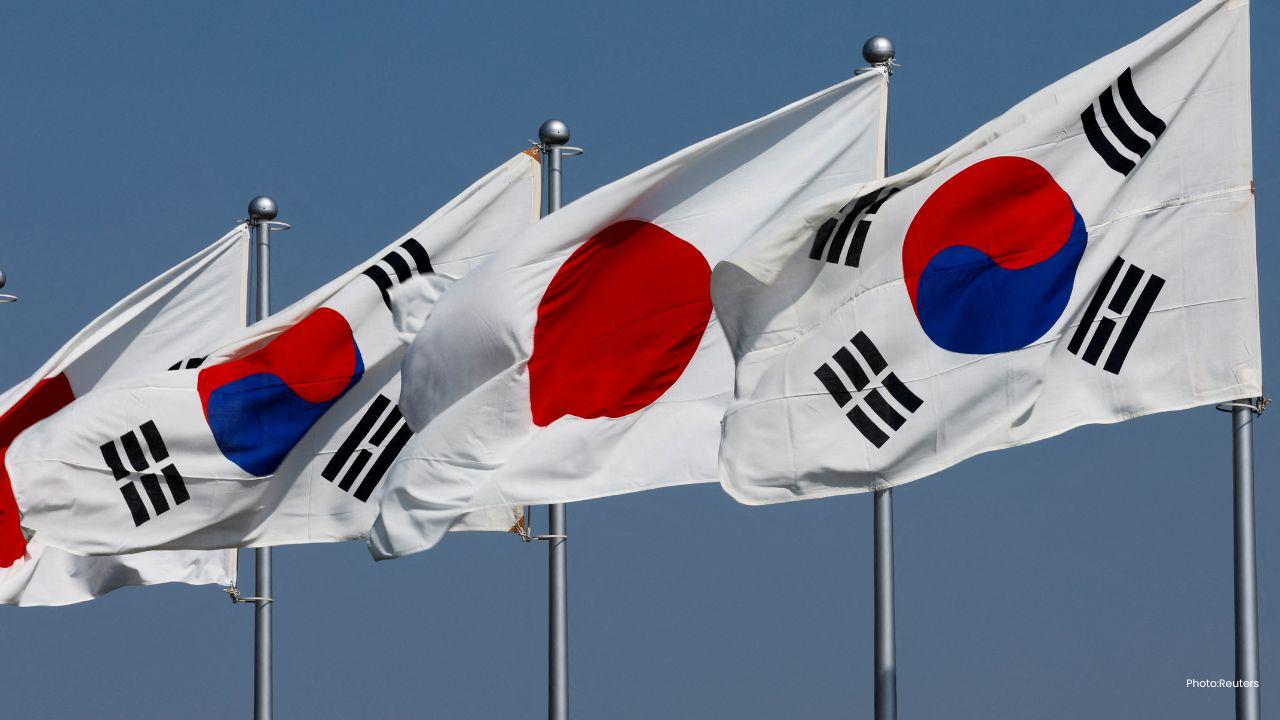
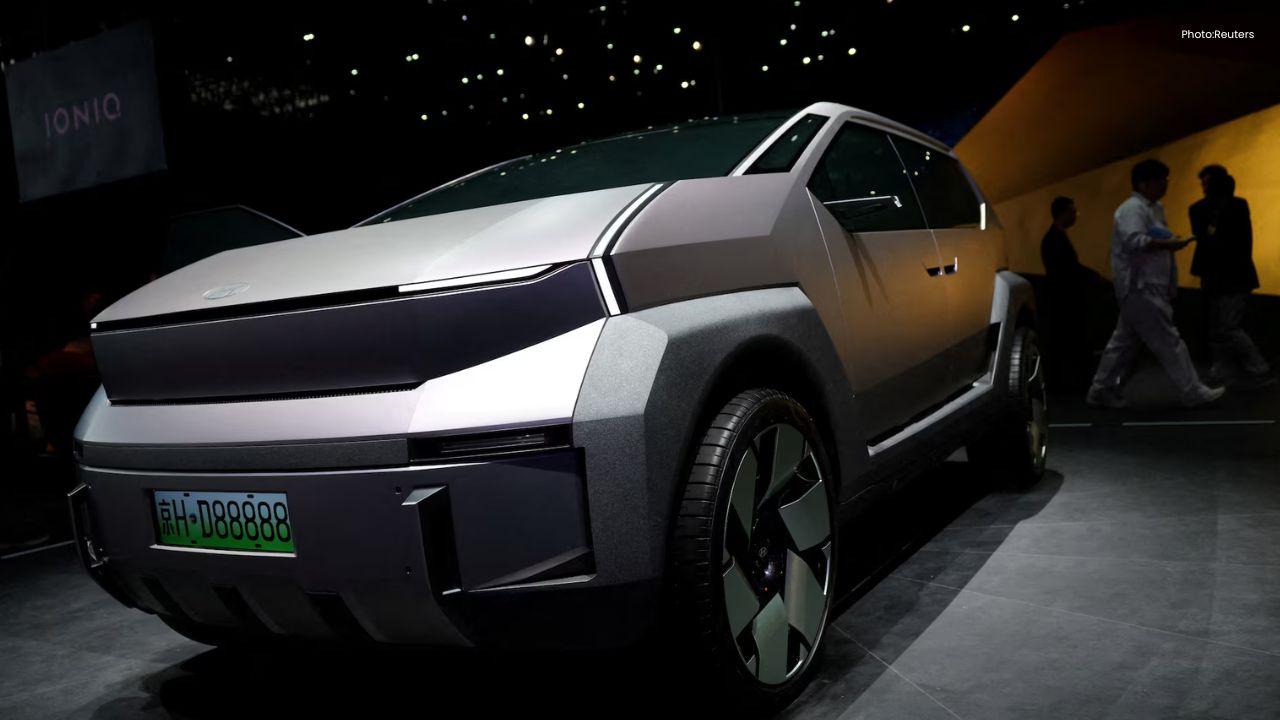
The U.S. government has announced a reduction in tariffs on imports from South Korea, including automobiles, lowering them to 15%, effective retroactively from November 1. This announcement came from U.S. Commerce Secretary Howard Lutnick, who highlighted South Korea's advancement in legislation supporting substantial investment commitments in America.
Lutnick indicated on social media that this step would enhance South Korea's benefits from its trade agreement established under President Donald Trump. The tariff cuts are part of a broader economic collaboration between the two nations, intended to bolster commerce and sustain vital industries on both sides.
As part of this adjustment, the U.S. will also eliminate tariffs on airplane components. Lutnick noted that South Korea’s new tariff rates will align with those of Japan and the European Union, aiming for a more level playing field in trade relations. This change eliminates what has been labeled a “stacked” tariff system, previously placing South Korea in a less favorable position compared to other U.S. partners.
A key component of the agreement includes a cap on future national security tariffs for critical industries. Semiconductors and pharmaceuticals, imperative to the Asian market, will not face tariffs exceeding 15% going forward. This gives South Korea parity with regional rivals like Japan and Taiwan.
Prior to this announcement, South Korea faced a 25% tariff on numerous goods, including vehicles, due to older regulations that permitted the U.S. to levy national security-related fees. Some of these tariffs were enacted under Section 232 of the Trade Expansion Act of 1962, while others were under the International Emergency Economic Powers Act (IEEPA). These legislative frameworks allowed for swift tariff increases during periods of economic or security concerns, although the legality of the IEEPA-based tariffs may soon be scrutinized by the U.S. Supreme Court.
The tariff reduction comes after South Korea’s ruling party introduced supportive legislation for its previous commitment to invest $350 billion in critical U.S. sectors. This funding will target strategic areas, such as shipbuilding, vital for long-term economic viability for both nations.
Lutnick praised South Korea’s dedication as a testament to the strengthening alliance between Seoul and Washington. He remarked that these investments are instrumental for job creation in the U.S. and fostering domestic manufacturing. Trust, according to him, is at an unprecedented level, with this agreement exemplifying the mutual advantages of close collaboration.
This tariff shift is anticipated to enhance trade between the two economies, allowing South Korean automakers and other producers to more effectively navigate the American market. It underscores a closer economic and strategic partnership, especially amidst rising global trade tensions.
The outcomes of this agreement are poised to significantly influence U.S.-Asia trade relations, specifically within the automotive, technological, and shipbuilding sectors. For both countries, these recent strides mark a crucial chapter in promoting stronger economic ties and collective growth.


Hyundai raises profit target, expands hybrid lineup in the US
Hyundai hybrid cars get a major boost as the automaker raises its profit margin target and plans new

Josh Kerr and Jakob Ingebrigtsen Set for 1,500m Rivalry Rematch
Josh Kerr and Jakob Ingebrigtsen will renew their 1,500m rivalry at the Ultimate Championship in Bud

PSG Coach Luis Enrique Urges Players to Step Outside Comfort Zone
PSG coach Luis Enrique says players must leave their comfort zone and keep improving as the club tar

China’s Tiangong Sets New 400m Record at Robot Olympics
China’s Tiangong robot sets a new 400m record at the Robot Olympics, beating a South African robot i

George Russell Wins Dutch GP Sprint, Boosts Mercedes Morale
George Russell wins the Dutch GP Sprint from pole as Mercedes teammate Kimi Antonelli extends his F1

Australia 50/3 After Bangladesh Bowled Out for 64 in Second Test
Australia reached 50/3 after Bangladesh were bowled out for 64 in the second Test, with Mitchell Sta

