You have not yet added any article to your bookmarks!
Join 10k+ people to get notified about new posts, news and tips.
Do not worry we don't spam!

Post by : Anis Farhan
In an era where wellness trends dominate social media and health-conscious lifestyles are increasingly valued, eating healthy has become both an aspiration and a challenge. The conversation surrounding nutrition is no longer limited to fitness enthusiasts — it has evolved into a global issue influenced by economic instability, food accessibility, and lifestyle shifts. However, one persistent question remains: why is healthy food so expensive, and what can be done to make it affordable for all?
Healthy eating comes with a price tag that continues to rise. In most parts of the world, the cost of fresh produce, lean proteins, and whole grains far exceeds that of processed foods. Factors such as climate change, supply chain disruptions, inflation, and urbanization have significantly contributed to the spike in food prices.
The COVID-19 pandemic exposed vulnerabilities in global food systems, leading to logistical challenges that pushed prices upward. Even today, supply chains are recovering slowly, affecting both local farmers and consumers. The situation is especially dire in developing nations, where income inequality limits access to essential nutrition.
The paradox is clear — while fast food and instant meals are cheap and convenient, they often lack the nutritional value needed for a balanced diet. Meanwhile, fresh and organic options, though healthier, remain unaffordable for large sections of society.
Economic disparity plays a central role in determining dietary habits. For millions of low-income families, the priority is not necessarily eating healthy but eating enough. When faced with limited income, the focus shifts toward caloric density rather than nutritional quality.
This issue is further magnified in urban areas, where the cost of living continues to rise, and affordable grocery stores are replaced by high-end supermarkets and food delivery services that cater to the affluent.
The term “food deserts” describes communities, particularly in low-income urban neighborhoods, that lack access to affordable fresh food. Instead, they are surrounded by convenience stores and fast-food outlets offering cheap, calorie-dense meals that contribute to obesity, diabetes, and other chronic conditions.
Food companies have mastered the art of marketing convenience and taste over nutrition. Highly processed products, rich in sugar, salt, and fat, are aggressively promoted to appeal to both children and adults. Eye-catching packaging, influencer endorsements, and strategic placement make junk food not only accessible but desirable.
On the other hand, healthy food brands often target niche markets with premium pricing, positioning wellness as a luxury rather than a necessity. This commercialization of health creates a social divide — where eating clean becomes a symbol of privilege rather than a basic human right.
Governments across the world have recognized this growing concern and are introducing policies to address it. Subsidizing fresh produce, controlling inflation, and promoting local farming are a few strategies being implemented to ensure nutritional security.
In countries like India and Brazil, farm-to-table movements and urban farming initiatives are gaining traction, enabling communities to grow their own food. Similarly, several Western nations have introduced “sugar taxes” on processed beverages and snacks to discourage unhealthy consumption patterns.
However, policy changes alone cannot bridge the gap between affordability and nutrition. For sustainable results, there needs to be collaboration among policymakers, corporations, and consumers to reshape the food system from production to consumption.
Technology has started playing a transformative role in democratizing healthy eating. Apps and AI-based tools now allow users to track their nutrition, compare food prices, and even access affordable meal planning services.
Startups are leveraging vertical farming, hydroponics, and lab-grown meat to reduce costs and increase sustainability. These innovations are revolutionizing how food is grown, distributed, and consumed — promising a future where healthy meals are accessible without compromising affordability.
Additionally, online platforms are connecting local farmers directly to consumers, eliminating middlemen and reducing overall food costs. Such models are empowering communities while fostering sustainable agriculture.
Culture significantly shapes dietary preferences and food accessibility. In many societies, traditional home-cooked meals are being replaced by fast food culture, primarily due to time constraints and urban work schedules.
However, returning to local, seasonal, and traditional diets could be a sustainable solution. These meals often rely on plant-based ingredients, grains, and locally available produce — not only reducing costs but also promoting nutritional balance.
Countries like Japan, Italy, and India, which emphasize fresh, home-prepared meals, demonstrate that health and affordability can coexist when cultural values prioritize mindful eating over convenience.
Perhaps the most critical factor in promoting affordable nutrition is awareness. Many consumers are unaware that healthy eating doesn’t necessarily mean expensive products. Simple dietary shifts — such as buying in bulk, cooking at home, or choosing seasonal produce — can make a substantial difference.
Educational programs and public health campaigns must focus on teaching communities about balanced nutrition, food budgeting, and the long-term health costs of poor dietary habits.
Schools can also play a vital role by introducing nutritional education early in the curriculum, instilling lifelong healthy eating habits in children.
Corporations hold significant power in shaping global food consumption. As demand grows for transparency and sustainability, businesses are being compelled to rethink their sourcing, packaging, and pricing strategies.
Some companies have started investing in plant-based alternatives, eco-friendly packaging, and community-driven initiatives to make healthy food more accessible. While these changes are still emerging, consumer demand for ethical and affordable choices is driving a slow but steady transformation.
Ultimately, the responsibility also lies with consumers. By choosing local, seasonal, and low-waste options, individuals can send strong market signals to brands and policymakers to prioritize affordability without sacrificing health.
Achieving the balance between price and nutrition requires systemic change — from how food is produced and marketed to how it is consumed and valued. Collaboration between governments, corporations, and individuals can create a world where everyone has access to affordable, nutritious meals.
The journey toward food equity isn’t easy, but it’s possible through innovation, awareness, and collective action. When health becomes a shared priority rather than a personal luxury, the dream of accessible nutrition for all can become a reality.
This article is intended for informational purposes only. It explores the economic and social aspects of healthy eating affordability without providing medical or dietary advice. Readers are encouraged to consult certified nutritionists or healthcare professionals before making significant dietary changes.










George Russell Wins Dutch GP Sprint, Boosts Mercedes Morale
George Russell wins the Dutch GP Sprint from pole as Mercedes teammate Kimi Antonelli extends his F1

Australia 50/3 After Bangladesh Bowled Out for 64 in Second Test
Australia reached 50/3 after Bangladesh were bowled out for 64 in the second Test, with Mitchell Sta

Jordan Burroughs Returns to Wrestling with 2028 Olympic Dream
Jordan Burroughs returns to wrestling with Real American Freestyle as the Olympic champion eyes a po

Lamborghini Catches Fire on Singapore's ECP, Causing Heavy Traffic
A Lamborghini caught fire on Singapore's ECP, causing heavy traffic and bus delays. No injuries were

Bangkok Airport Duty-Free Area Flooded by Pipe Burst
A burst water pipe flooded the duty-free shopping area at Bangkok's Suvarnabhumi Airport on July 16,
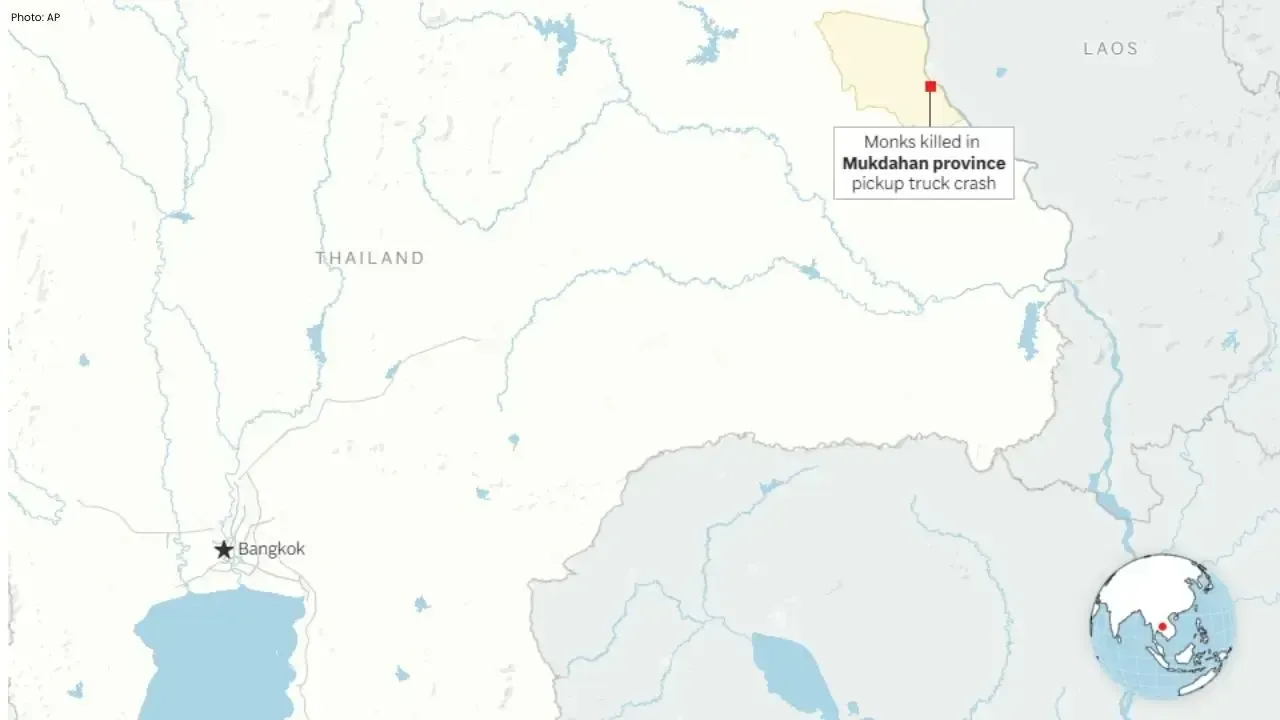
Nine Monks Killed in Thailand Pickup Truck Tragedy
An 11-year-old boy driving a pickup truck crashed into monks during a pilgrimage in northeastern Tha