
You have not yet added any article to your bookmarks!
Join 10k+ people to get notified about new posts, news and tips.
Do not worry we don't spam!
Post by : Shweta
Tensions have escalated significantly in the Middle East as Iran issues warnings regarding regional ports in light of a planned naval blockade by the U.S. Central Command. This development follows unsuccessful peace negotiations between Iran and the United States, igniting concerns about an escalation in hostilities.
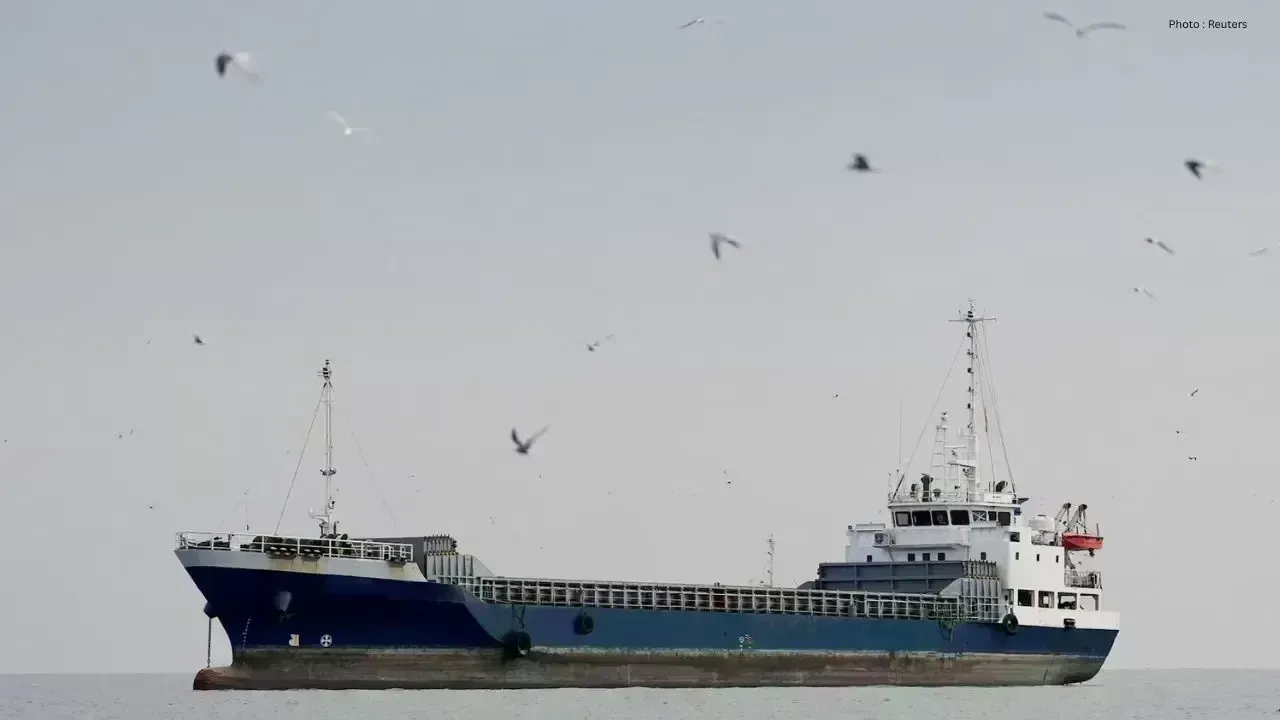
Beginning Monday, the U.S. military will implement a blockade aimed at disrupting vessels moving to and from Iranian ports. This operation will concentrate on Iranian coastal regions bordering the Persian Gulf and Gulf of Oman. The blockade will encompass ships from all nations engaged in transactions with Iranian ports, although traffic between non-Iranian ports will still be permitted to transit through the vital Strait of Hormuz.
Iranian military officials have responded sharply, asserting that without guaranteed safety for Iran, no port in the region can be deemed secure. This statement suggests potential actions that could impact essential shipping routes and infrastructure throughout the Gulf.
The blockade decision follows high-stakes diplomatic talks in Islamabad, which concluded without any resolution. JD Vance, leading the U.S. delegation, noted that the failure was primarily rooted in disputes over Iran's nuclear ambitions. While the U.S. demands that Iran cease its nuclear development, Iran dismisses these demands as excessive.
Former President Donald Trump has supported the move to intensify pressure on Iran, insisting that firmer measures are necessary to draw Tehran back to the negotiating table. He has also cautioned that military action remains a possibility if tensions don't ease.
This situation has immediately impacted global markets, leading to a spike in oil prices, as the Strait of Hormuz is crucial for international energy transport, facilitating approximately 20% of the world’s oil shipments. Any interruption in this area poses serious economic repercussions globally.
Calls for restraint are arising from various international leaders. UK leader Keir Starmer confirmed that the United Kingdom will not participate in the blockade and highlighted the importance of diplomatic avenues. Other nations and international organizations have similarly urged both sides to re-engage in dialogue and prevent further escalation.
Despite the growing tensions, both Iran and the U.S. have left the door open for potential future negotiations. Yet, with the ceasefire nearing expiration, the future trajectory of this high-stakes geopolitical situation remains uncertain.










PM Modi Pays Tribute to Mahatma Gandhi, Urges People to Support Khadi
PM Modi pays tribute to Mahatma Gandhi on Gandhi Jayanti and urges citizens to support Khadi and the

Amazon Seeks to Offload $8 Billion in Nvidia Chips to Investors
Amazon plans to move $8 billion in Nvidia chips to investors, using a new financing model to strengt

Samsung Raises Galaxy S26 Prices as Memory Chip Costs Rise
Samsung raises Galaxy S26 prices in South Korea as rising memory chip costs put pressure on smartpho

Lewis Hamilton Calls Singapore Grand Prix One of F1's Toughest Races
Lewis Hamilton discusses the demanding Singapore Grand Prix and brings Plus44 and Almave to Singapor

Denmark's Pandora Opens World's Largest Jewellery Factory in Vietnam
Pandora opens its largest jewellery factory in Vietnam, expanding global production, strengthening s

Gautam Gambhir Questions Batting-Friendly Pitches After India's Record ODI Chase
Gautam Gambhir questions batting-friendly ODI pitches after India’s record chase, calling for a bett

