You have not yet added any article to your bookmarks!
Join 10k+ people to get notified about new posts, news and tips.
Do not worry we don't spam!
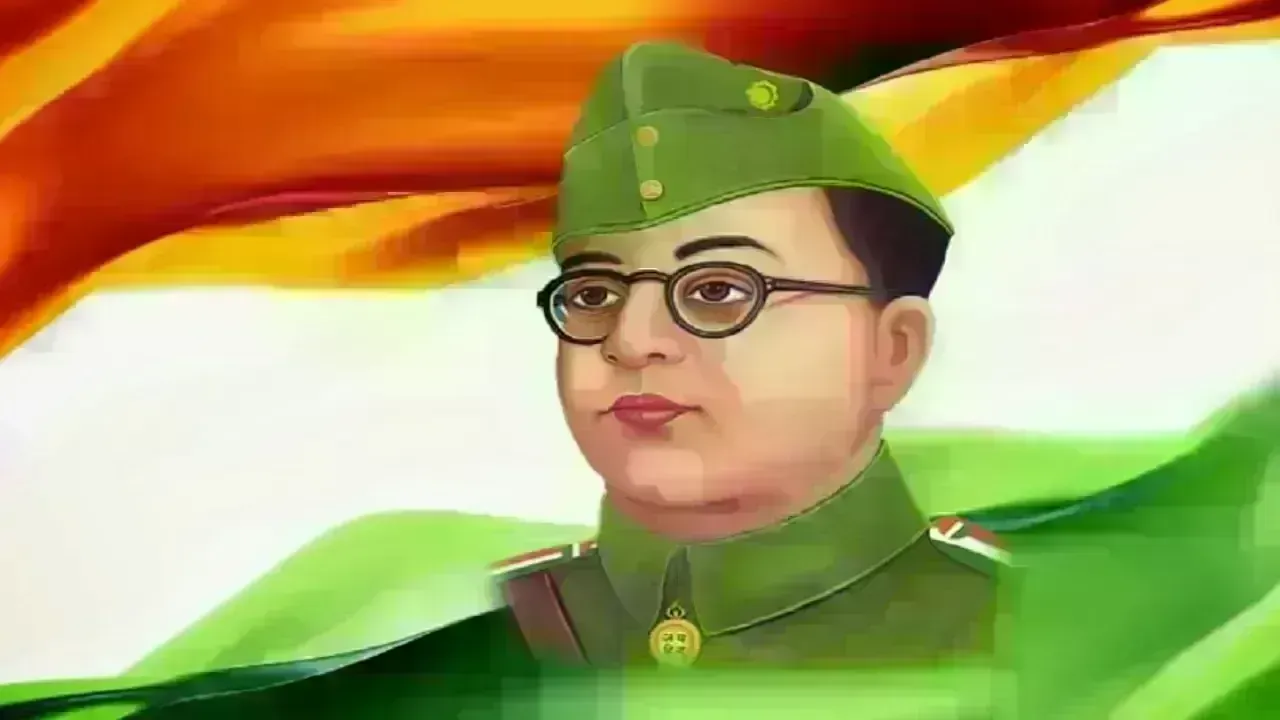
Post by : Anis Farhan
Every year on 23 January, India pays tribute to Netaji Subhas Chandra Bose, one of the most revered leaders of the country’s freedom movement. In 2021, the Government of India formally declared this day as Parakram Diwas to honour his exceptional courage, vision, and selfless service to the nation. The observance of his birth anniversary in 2026 marks the 129th anniversary of his birth and has taken on profound importance as the nation reflects on his legacy and its relevance in contemporary times.
Netaji Subhas Chandra Bose was born on 23 January 1897 in Cuttack, in what is now the Indian state of Odisha. Born into a well-educated family, Bose showed academic brilliance from a young age. He completed his early education in India before moving to England to prepare for the Indian Civil Services (ICS) examination. Despite passing the initial stages with distinction, he chose to give up a promising career in civil services to return to India and join the struggle for independence.
On returning to India, Bose entered the Indian National Congress and quickly rose through its ranks due to his passionate nationalism, articulate speeches, and unwavering commitment to India’s freedom. His ideology was marked by a belief in active resistance rather than mere passive resistance. He famously stated that freedom and dignity must be seized through collective action, a philosophy that shaped his entire political journey.
Bose was elected President of the Indian National Congress twice, in 1938 and 1939. However, ideological differences with the party’s senior leadership, especially regarding the use of non-violent methods, led him to resign from the Congress presidency. His unwavering belief in more assertive strategies to challenge British rule set him apart within the freedom movement.
After leaving the Congress leadership, Netaji founded the Forward Bloc in 1939 — a political organization aimed at uniting all anti-British forces to intensify the fight for independence. The Forward Bloc played a crucial role in mobilizing youth and energizing nationalist sentiment across the country.
Perhaps Bose’s most enduring legacy lies in his leadership of the Indian National Army (Azad Hind Fauj), which he re-organized with the support of Indian expatriates and soldiers captured during World War II. The INA fought alongside Japan against British forces, driven by Bose’s rallying cry “Give me blood, and I shall give you freedom.” This bold approach highlighted his commitment to securing independence by any means necessary, inspiring millions of Indians in the process.
The Government of India officially designated Netaji’s birth anniversary as Parakram Diwas in 2021, emphasizing values such as courage, resilience, and selfless service. This designation is not just a ceremonial tribute but a deliberate effort to inspire future generations with Netaji’s spirit of fearless leadership. The observance reinforces the message that the pursuit of national goals requires unwavering determination.
In 2026, Parakram Diwas ceremonies are being held across India to commemorate Netaji’s 129th birth anniversary, including events organized by the Ministry of Culture at multiple iconic locations, with the main function taking place at Sri Vijaya Puram in the Andaman and Nicobar Islands.
On this day, government institutions, cultural organizations, educational establishments, and citizens nationwide host events to reflect on Netaji’s contributions. Flag hoisting, patriotic programs, essay and debate competitions, and exhibitions depicting his life are common features in schools and colleges. These activities aim to instill a sense of patriotism and commitment to national development among young minds.
Political leaders, including the Vice-President of India, undertake special visits to various states to participate in commemorative functions and pay homage to Netaji’s memory. In 2026, the Vice-President visited Odisha and West Bengal—regions with deep historical ties to Bose—to attend Parakram Diwas celebrations.
Netaji Subhas Chandra Bose’s legacy extends far beyond the Indian freedom struggle. His emphasis on self-belief, strategic planning, and collective sacrifice resonates in conversations about national revitalization even today. His life continues to inspire leadership models that value courage over convenience, strategic boldness over passive acceptance, and collective discipline over individual pursuits.
Bose’s life story is widely incorporated into academic curricula, cultural narratives, and patriotic celebrations. Literary works, documentaries, biographies, and public discussions frequently revisit his personal sacrifices, articulate strategies, and indomitable resolve, ensuring that his memory remains a guiding light for those who value courage and national service.
Despite the passage of nearly eight decades since his disappearance in 1945, discussions about Netaji’s final days remain a topic of historical debate. Some official inquiries and historians have released differing perspectives about his death, with recent appeals by family members urging the Government of India to facilitate the return of his mortal remains from Japan. Such historical complexities reflect the continued interest and respect the nation holds for him.
The choice to celebrate his birth anniversary as Parakram Diwas has also sparked political discussions, with some advocating for alternative commemorative names that reflect patriotism or national heroism more broadly. These discourses highlight how historical narratives continue to evolve and play a role in shaping collective memory.
Netaji’s life exemplifies how unwavering resolve, strategic action, and principled leadership can influence the course of history. His famous slogan and his efforts to bring disciplined, organized resistance to the freedom movement continue to be cited as motivational forces, especially among youth and emerging leaders. Many educational programs and civic institutions use his story to teach values such as courage, unity, and national dedication.
The 129th birth anniversary of Netaji Subhas Chandra Bose, observed as Parakram Diwas on 23 January 2026, is more than a memorial day—it is a reminder of the values that shaped India’s struggle for freedom. As the nation honours his legacy, it also rededicates itself to the ideals he championed: fearless leadership, strategic vision, and deep patriotism. By celebrating his life and contributions, India not only remembers its past but also inspires its future.
Disclaimer: This article is for informational and educational purposes only. It reflects historical accounts and public information about Netaji Subhas Chandra Bose and does not constitute any political endorsement or personal opinion.









Lamborghini Catches Fire on Singapore's ECP, Causing Heavy Traffic
A Lamborghini caught fire on Singapore's ECP, causing heavy traffic and bus delays. No injuries were

Bangkok Airport Duty-Free Area Flooded by Pipe Burst
A burst water pipe flooded the duty-free shopping area at Bangkok's Suvarnabhumi Airport on July 16,
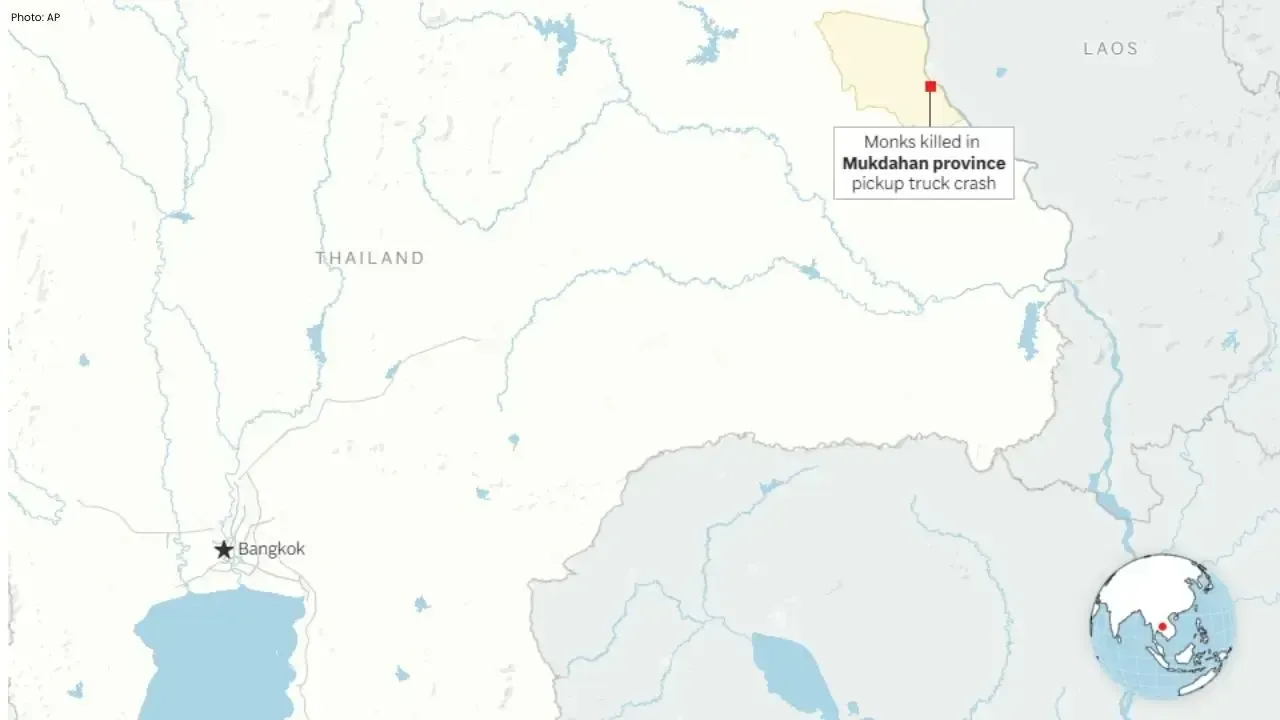
Nine Monks Killed in Thailand Pickup Truck Tragedy
An 11-year-old boy driving a pickup truck crashed into monks during a pilgrimage in northeastern Tha
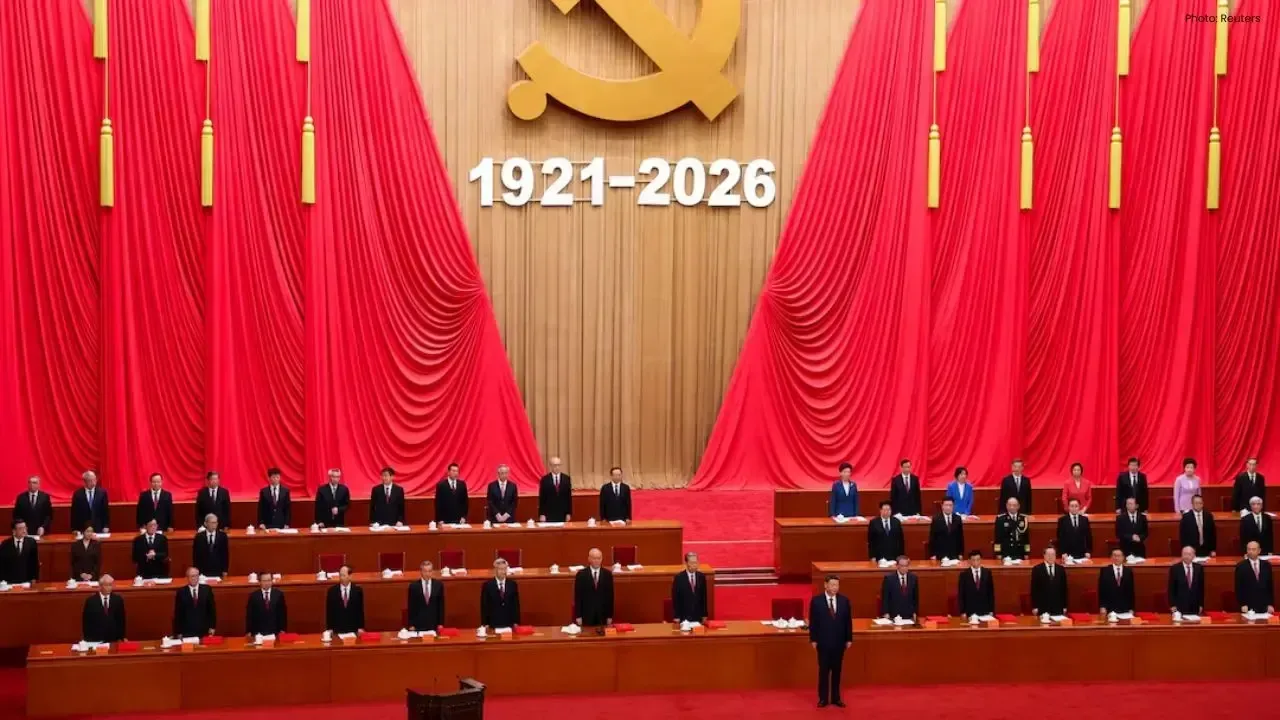
Anwar Congratulates Xi on CPC's 105th Anniversary
Malaysia reaffirms strong ties with China as PM Anwar Ibrahim sends a congratulatory letter to Presi
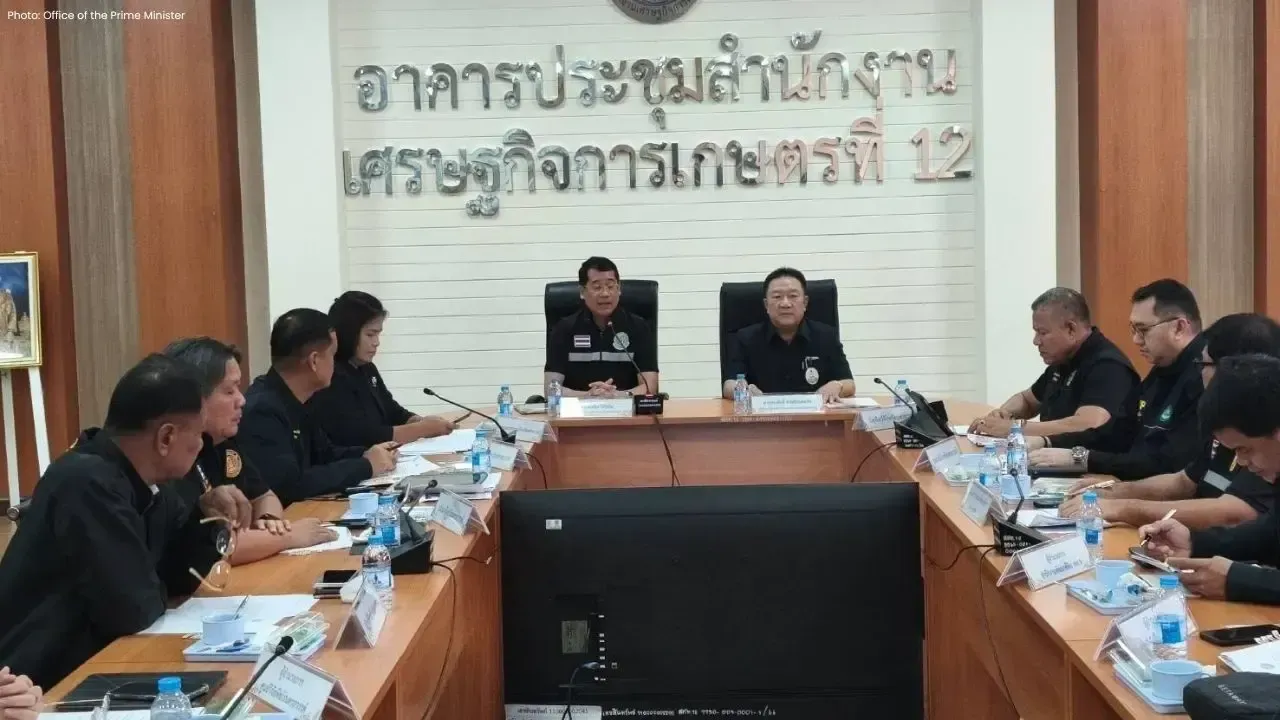
Thai Agriculture Team Reviews 2026 Farm Development Plans
Agriculture Ministry officials inspected livestock and organic rice projects in Nakhon Sawan to moni

Thailand, Canada Boost Ties in PM-Level Phone Talks
Thailand and Canada agreed to strengthen trade, security, OECD cooperation and ASEAN-Canada FTA talk