You have not yet added any article to your bookmarks!
Join 10k+ people to get notified about new posts, news and tips.
Do not worry we don't spam!

Post by : Meena Ariff
Japan’s Cabinet, led by Prime Minister Sanae Takaichi, approved a record-breaking budget of 122.3 trillion yen (approximately $785 billion) on December 25, 2025, for the upcoming fiscal year starting in April 2026. This budget reflects the government’s effort to carefully balance strong fiscal support for the economy with concerns over Japan’s massive national debt and rising borrowing costs.
Despite increasing total spending, the government plans only a slight rise in new government bond issuance — from 28.6 trillion yen this year to 29.6 trillion yen next year. This cautious increase aims to limit the country’s dependence on debt financing, lowering the debt issuance ratio to 24.2%, which is the lowest since 1998.
The government anticipates tax revenues will grow by 7.6%, reaching a record 83.7 trillion yen. These increased revenues will help fund expanded social welfare programs and higher defense spending. However, Japan faces significantly rising debt servicing costs. Interest payments and debt repayments are expected to increase by 10.8% to 31.3 trillion yen. This rise is due to an assumed interest rate of 3.0%, the highest level seen in 29 years, following the Bank of Japan’s decision to exit its ultra-loose monetary policy.
Japan carries the largest debt burden of any developed country, with public debt exceeding twice the size of its economy. This makes the country highly sensitive to changes in borrowing costs, complicating Prime Minister Takaichi’s efforts to implement aggressive fiscal stimulus measures without worsening the debt situation.
To adapt to these challenges, the government plans to shift from the previous fiscal policy goal of balancing the primary budget annually to a new multi-year consolidation strategy. This approach will allow for more flexible government spending over several years while maintaining fiscal responsibility.
The Takaichi administration is also working to reassure investors amid rising government bond yields and a weakening yen. Officials have emphasized that the government will avoid reckless debt issuance or unplanned tax cuts, signaling a commitment to maintaining financial stability even as it supports economic growth.









Lamborghini Catches Fire on Singapore's ECP, Causing Heavy Traffic
A Lamborghini caught fire on Singapore's ECP, causing heavy traffic and bus delays. No injuries were

Bangkok Airport Duty-Free Area Flooded by Pipe Burst
A burst water pipe flooded the duty-free shopping area at Bangkok's Suvarnabhumi Airport on July 16,
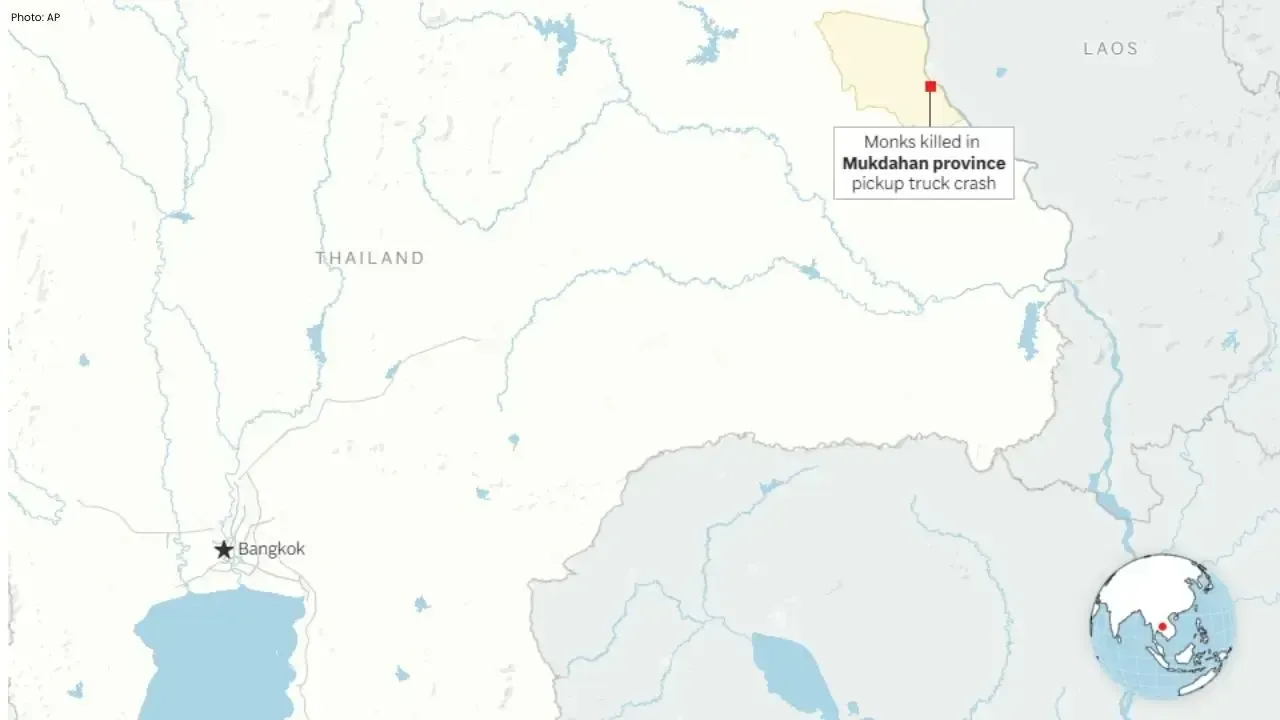
Nine Monks Killed in Thailand Pickup Truck Tragedy
An 11-year-old boy driving a pickup truck crashed into monks during a pilgrimage in northeastern Tha
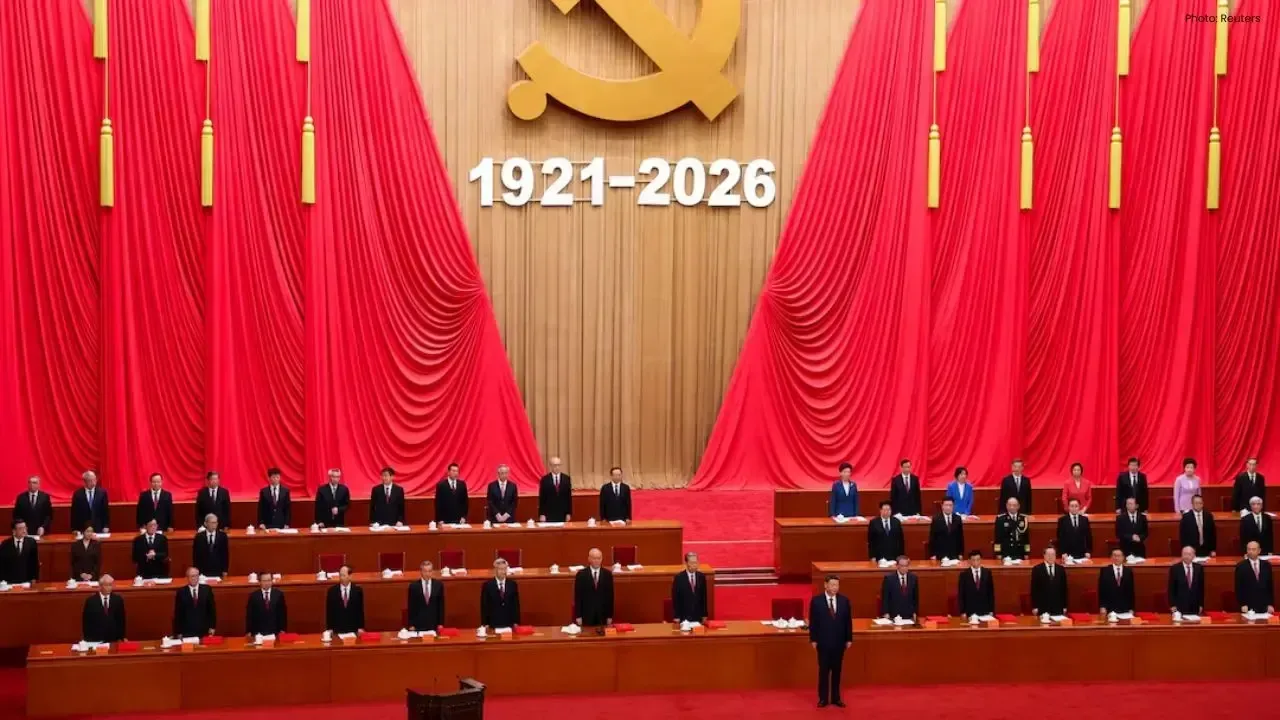
Anwar Congratulates Xi on CPC's 105th Anniversary
Malaysia reaffirms strong ties with China as PM Anwar Ibrahim sends a congratulatory letter to Presi

Thai Agriculture Team Reviews 2026 Farm Development Plans
Agriculture Ministry officials inspected livestock and organic rice projects in Nakhon Sawan to moni

Thailand, Canada Boost Ties in PM-Level Phone Talks
Thailand and Canada agreed to strengthen trade, security, OECD cooperation and ASEAN-Canada FTA talk