
You have not yet added any article to your bookmarks!
Join 10k+ people to get notified about new posts, news and tips.
Do not worry we don't spam!
Post by : Anis Farhan
Once the domain of Silicon Valley entrepreneurs and elite athletes, biohacking has exploded into the mainstream. From intermittent fasting to red light therapy, the biohacker’s toolkit now dominates wellness conversations. Instagram influencers sit in ice baths while TikTokers flaunt their “dopamine detox” days. But beneath the surface of sleek aesthetics and viral videos lies an important question: Are these methods scientifically sound, or are we all just hacking our way into pseudoscience?
At its core, biohacking is the pursuit of optimizing physical and mental performance through lifestyle changes, tech gadgets, supplements, and sometimes even radical interventions. Some versions are low-tech and lifestyle-based—like diet tracking or meditation—while others veer into the extreme: think gene editing or nootropics. Enthusiasts claim they’re “engineering” better bodies and brains. Critics say it’s wellness rebranded with a Silicon Valley shine.
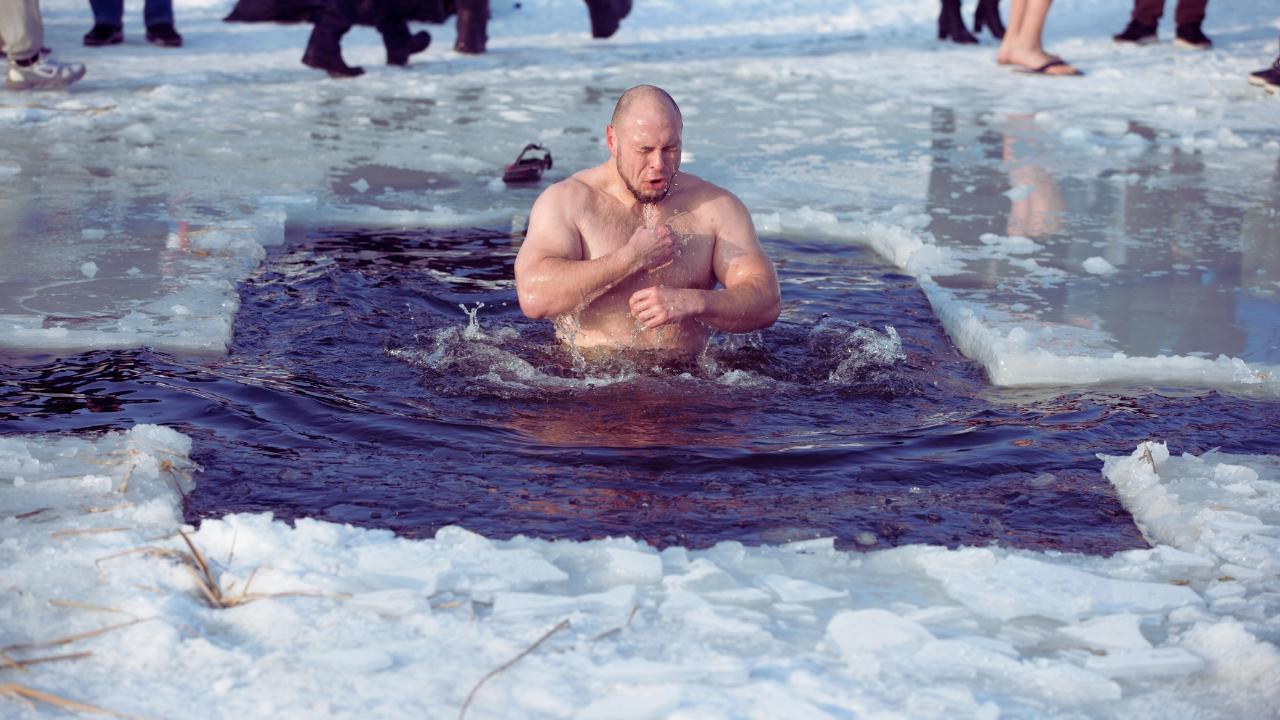
One of the most popular biohacks today is cold immersion—plunging into ice baths to boost recovery, mood, and immunity. Athletes have long used cold therapy for muscle repair, but influencers now claim it increases dopamine levels and resilience. Science partially backs this up. Studies show cold exposure can stimulate norepinephrine production, a neurotransmitter linked to alertness. But regular ice baths aren't risk-free—they can be unsafe for people with cardiovascular issues and may even blunt muscle growth if overused.
Another trending biohack is the so-called “dopamine detox,” where individuals abstain from pleasure-inducing activities like scrolling, gaming, or even socializing to "reset" their brain’s reward system. While the concept stems from legitimate neurological principles, the term “detox” is misleading. Dopamine isn’t a toxin—it’s a crucial neurotransmitter. What these practices may actually be doing is creating mindful space and reducing overstimulation, which can indeed help with focus and mental clarity. But the idea that you can biologically reset your dopamine system in 24 hours is far from reality.
Intermittent fasting is one of the most researched and accepted biohacks. It’s been shown to support metabolic health, improve insulin sensitivity, and even promote cellular repair through autophagy. But like many wellness trends, it’s often misapplied. Skipping meals while consuming poor-quality food, or taking fasting to extremes, can do more harm than good. Similarly, supplement stacks—so-called “nootropics” like L-theanine, caffeine, or modafinil—are marketed as brain-boosting miracles. But their effects vary widely, and long-term impacts remain unclear.
Light exposure is another pillar of biohacking. Blue-light blocking glasses, red light therapy, and even sunrise alarm clocks aim to optimize circadian rhythm and melatonin production. This biohack, unlike others, is grounded in robust science. Artificial light, especially blue light from screens, disrupts sleep cycles. Limiting evening screen time or using blue-light filters has been shown to improve sleep quality. Similarly, morning light exposure can help align the body’s internal clock—an underrated but powerful tool for mental and physical health.
With the hype comes hazard. The biohacking industry is largely unregulated. Supplements are sold without FDA approval, and wearable tech often makes health claims without peer-reviewed backing. In extreme cases, self-experimentation with substances like synthetic hormones or invasive implants can be life-threatening. The illusion of control—being able to “hack” the body like a piece of software—can also lead to obsession, anxiety, or disordered behavior. When optimization becomes a compulsion, biohacking ceases to be healthy.
Platforms like YouTube, TikTok, and Instagram have amplified biohacking trends, turning personal experiments into public spectacles. A single viral video can convince millions to try a new diet, ice bath, or supplement, often without medical guidance. The problem is that what works for one person may not work for another—and anecdotes are not evidence. Influencer culture tends to glorify extreme routines, making moderation seem boring. This fuels an arms race of “next-level” biohacks, where people chase optimization without understanding the risks.
The appeal of biohacking is rooted in control. In a world full of uncertainty, the idea that we can take charge of our biology is deeply seductive. It promises productivity without burnout, health without effort, and clarity without therapy. It also taps into our cultural obsession with self-improvement. For many, biohacking isn’t just about wellness—it’s about identity. You’re not just healthy; you’re a “high performer.” But this identity can be fragile, especially when the hacks stop working.
A growing number of scientists are studying the effects of various biohacks—from cryotherapy to personalized nutrition. Some are showing promise. Others remain speculative. The danger is when popular science morphs into pop psychology and, eventually, commercial marketing. Buzzwords like “reset,” “detox,” and “optimize” often lack scientific rigor. Consumers need to approach biohacks with a critical eye: check sources, look for clinical trials, and consider talking to health professionals before diving into the latest trend.
Interestingly, some aspects of biohacking are making their way into mainstream healthcare. Doctors now recommend light therapy for seasonal depression and intermittent fasting for insulin resistance. Sleep trackers and wearable ECG devices are helping detect early warning signs of illness. The difference? In medicine, interventions are based on data, not anecdotes. As the line between wellness and clinical care blurs, responsible biohacking may become a new frontier of preventive health—if guided by science.
The answer is: it depends. Some biohacks, like proper sleep hygiene, morning light exposure, and balanced intermittent fasting, are evidence-based and generally beneficial. Others, like extreme cold exposure or unsupervised supplement stacks, come with caveats. The key lies in intention and moderation. Biohacking is not a one-size-fits-all solution, and it shouldn’t replace traditional medical advice. It can complement your health strategy, but it shouldn’t dictate it. Ultimately, the best “hack” is still consistency, balance, and listening to your body.
The content in this article is intended for informational purposes only and should not be taken as medical or scientific advice. Always consult with a qualified health professional before attempting any new health or lifestyle intervention. Newsible Asia is not liable for actions taken based on this article.










PM Modi Pays Tribute to Mahatma Gandhi, Urges People to Support Khadi
PM Modi pays tribute to Mahatma Gandhi on Gandhi Jayanti and urges citizens to support Khadi and the

Amazon Seeks to Offload $8 Billion in Nvidia Chips to Investors
Amazon plans to move $8 billion in Nvidia chips to investors, using a new financing model to strengt

Samsung Raises Galaxy S26 Prices as Memory Chip Costs Rise
Samsung raises Galaxy S26 prices in South Korea as rising memory chip costs put pressure on smartpho

Lewis Hamilton Calls Singapore Grand Prix One of F1's Toughest Races
Lewis Hamilton discusses the demanding Singapore Grand Prix and brings Plus44 and Almave to Singapor

Denmark's Pandora Opens World's Largest Jewellery Factory in Vietnam
Pandora opens its largest jewellery factory in Vietnam, expanding global production, strengthening s

Gautam Gambhir Questions Batting-Friendly Pitches After India's Record ODI Chase
Gautam Gambhir questions batting-friendly ODI pitches after India’s record chase, calling for a bett

