You have not yet added any article to your bookmarks!
Join 10k+ people to get notified about new posts, news and tips.
Do not worry we don't spam!

Post by : Anis Farhan
The Nipah virus — a zoonotic pathogen with no approved cure or vaccine — has once again captured global attention following confirmed cases in India’s West Bengal. Health authorities are racing to contain a potential outbreak, with nearly 100 individuals quarantined after several cases were detected. Fruit bats, the virus’s natural reservoirs, remain central to transmission dynamics, and human-to-human spread has been observed in health-care settings and close-contact environments.
The Nipah virus (NiV) is classified by the World Health Organization as a high-risk pathogen due to its high fatality rate — historically ranging from 40 % to 75 % depending on outbreak conditions and strain characteristics — and its capacity to cause severe respiratory illness and potentially fatal brain inflammation (encephalitis).
Understanding this virus — its origins, how it spreads, its clinical presentation, and the comprehensive public health strategies required to mitigate it — is critical in contexts where sporadic outbreaks have emerged repeatedly in South Asia.
The Nipah virus was first identified in 1999 during an outbreak of encephalitis and respiratory disease among pig farmers and individuals in close contact with infected pigs in Malaysia and Singapore. This outbreak marked the discovery of NiV as a serious zoonotic pathogen, capable of crossing species barriers from animals to humans, and causing devastating human disease.
Following that initial incident, repeated outbreaks have occurred, especially in South and Southeast Asia. The virus is endemic in regions of Bangladesh and has been responsible for human cases in multiple years since 2001. In India, past instances in West Bengal and Kerala have underscored the recurring threat NiV poses in areas with significant human–animal interactions.
Nipah virus is most frequently transmitted from its natural hosts — fruit bats of the genus Pteropus — to humans. These bats carry the virus without showing symptoms, and human infection often occurs through:
Direct contact with fruit bats or their bodily fluids (saliva, urine, or faeces).
Consumption of contaminated food, such as raw date palm sap or fruits that have been exposed to bat secretions.
Contact with infected intermediate animals, notably pigs in earlier outbreaks, although this is less common today.
Fruit bats can contaminate food sources in rural and semi-rural settings, and traditional practices involving raw palm sap collection remain risk factors — especially if containers are not properly protected from bat access.
A particularly concerning feature of Nipah virus epidemiology is its ability to spread directly from person to person — especially among caregivers and health-care workers in close contact with infected body fluids. Transmission has been documented in hospital environments and family settings where protective measures are insufficient.
Effective infection control is essential to prevent such transmission, as once the virus enters a populated area, close contact without precautions can quickly amplify spread.
The time between exposure and the onset of symptoms — known as the incubation period — typically ranges from 4 to 14 days, though longer intervals have been reported in some cases.
Once symptoms begin, the clinical course can vary dramatically between individuals. Early signs often resemble common illnesses, which can delay detection and containment if not recognised promptly:
High fever
Headache and muscle pain
Sore throat and cough
Nausea or vomiting
Fatigue and general malaise
Such early symptoms are non-specific, making early clinical suspicion crucial in outbreak regions.
In many affected individuals, the disease progresses rapidly. As the infection advances, patients may experience:
Respiratory distress and difficulty breathing
Neurological complications, including drowsiness and altered mental state
Confusion, dizziness and seizures
Encephalitis (inflammation of the brain)
Rapid deterioration to coma within 24–48 hours in severe cases
Respiratory involvement may be pronounced in cases where atypical pneumonia develops, and neurological symptoms are often markers of a severe systemic response.
In severe cases, the progression can be swift and fatal, leading to significant mortality rates especially where intensive care resources are limited.
Diagnosing Nipah virus infection requires specialised laboratory testing, typically involving RT-PCR assays to detect viral genetic material in throat swabs, nasal secretions, urine or cerebrospinal fluid. Serological tests for antibodies may also be used.
Imaging studies like MRI or CT scans may assist in evaluating neurological involvement in patients with encephalitic features.
Currently, there is no approved antiviral treatment or licensed vaccine available for Nipah virus infection. As a result, medical care focuses on supportive interventions to manage symptoms and complications:
Maintaining respiratory function
Controlling fever and pain
Managing neurological symptoms
Providing intensive supportive care where needed
Because of the absence of targeted therapies, early detection and supportive care play pivotal roles in improving patient outcomes.
Nipah virus outbreaks have historically been associated with high case fatality rates (40 %–75 %), although exact figures vary by outbreak and local healthcare capacity.
This range highlights the virus’s potential for severe outcomes, especially among older adults and individuals with underlying health issues.
Even among those who survive the acute phase, long-term neurological complications — such as persistent seizures, personality changes and cognitive impairment — have been reported. In rare cases, encephalitis may recur months or even years after initial recovery, underscoring the virus’s profound impact on the nervous system.
In January 2026, health authorities in West Bengal reported confirmed Nipah virus cases, including among health-care workers, prompting quarantine measures for nearly 100 contacts to monitor symptoms and prevent onward transmission.
While health agencies emphasise there is no need for widespread panic, the presence of confirmed cases and quarantines reflects the seriousness with which authorities are responding.
Asian nations — including Thailand, Nepal and Taiwan — have reinstated COVID-style health screenings at airports for passengers arriving from India as a precautionary public health measure.
Public health responses in outbreak situations typically involve:
Rigorous contact tracing
Isolation of suspected and confirmed patients
Enhanced infection control in healthcare settings
Public awareness campaigns on symptoms and prevention
Animal reservoir surveillance to limit spillover events
These measures are critical to interrupting transmission chains and safeguarding both local communities and wider regions from escalating spread.
Because fruit bats are natural carriers, avoiding activities that increase contact with bats or their secretions is crucial. This includes:
Not consuming raw palm sap or unwashed fruits
Boiling or thoroughly washing fruits before consumption
Discarding visibly bat-bitten fruits or food items
In human contexts, preventive practices include:
Using adequate personal protective equipment (PPE) when caring for sick individuals
Frequent hand hygiene
Avoiding direct contact with bodily fluids of infected persons
Community awareness of these measures can significantly reduce the risk of spread once cases are identified.
The Nipah virus remains on the World Health Organization’s priority pathogen list for urgent research due to its epidemic potential and lack of targeted therapies. Researchers globally are exploring vaccine candidates and antiviral compounds, but broad distribution of effective tools remains a future goal.
Countries with recurring outbreaks, such as India and Bangladesh, have invested in surveillance systems and research institutes to strengthen preparedness and response capacity over time.
Nipah virus outbreaks — though sporadic — represent a crucial reminder of how zoonotic pathogens can emerge from animal reservoirs and pose significant health threats. The 2026 event in West Bengal highlights the need for robust surveillance, rapid response frameworks, and community engagement to prevent small clusters from becoming larger public health crises.
Understanding the virus’s symptoms, transmission dynamics, and the importance of early intervention empowers both health professionals and the public to respond effectively.
Disclaimer:
This article is intended for informational purposes only and does not constitute medical advice. For personal health concerns or disease prevention guidance, please consult qualified healthcare professionals and official public health sources.










Lamborghini Catches Fire on Singapore's ECP, Causing Heavy Traffic
A Lamborghini caught fire on Singapore's ECP, causing heavy traffic and bus delays. No injuries were

Bangkok Airport Duty-Free Area Flooded by Pipe Burst
A burst water pipe flooded the duty-free shopping area at Bangkok's Suvarnabhumi Airport on July 16,
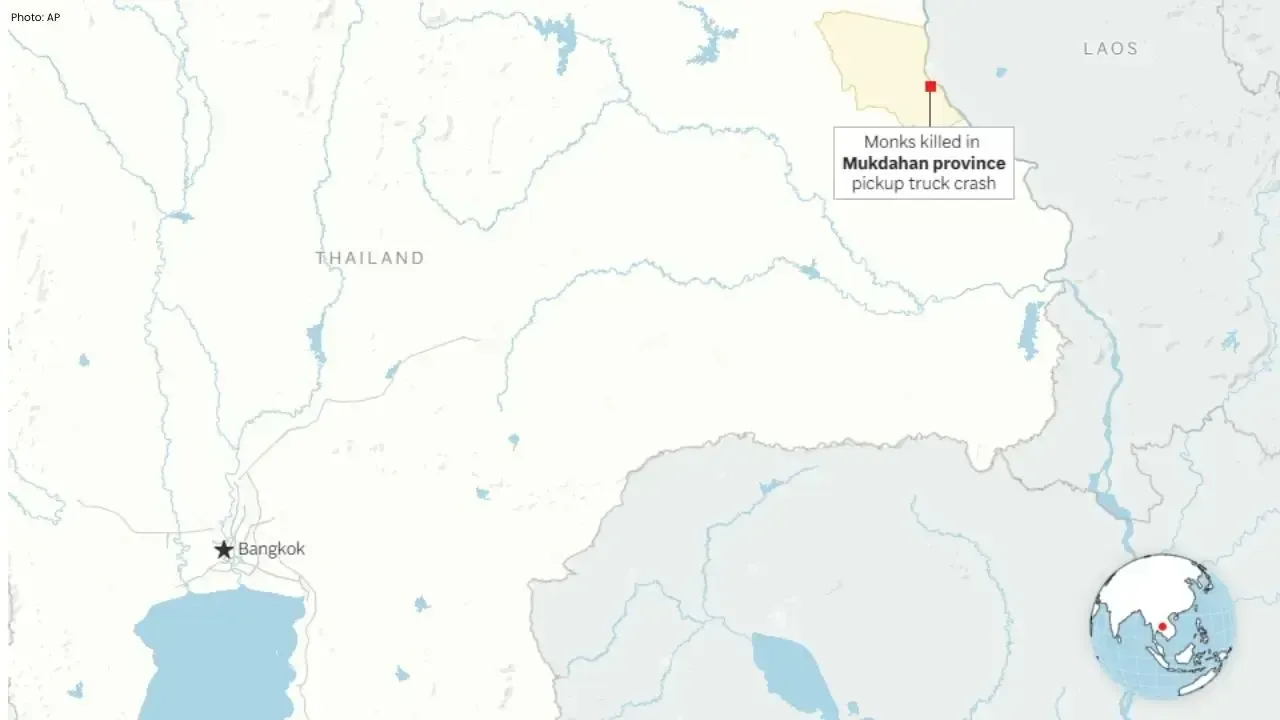
Nine Monks Killed in Thailand Pickup Truck Tragedy
An 11-year-old boy driving a pickup truck crashed into monks during a pilgrimage in northeastern Tha

Anwar Congratulates Xi on CPC's 105th Anniversary
Malaysia reaffirms strong ties with China as PM Anwar Ibrahim sends a congratulatory letter to Presi

Thai Agriculture Team Reviews 2026 Farm Development Plans
Agriculture Ministry officials inspected livestock and organic rice projects in Nakhon Sawan to moni

Thailand, Canada Boost Ties in PM-Level Phone Talks
Thailand and Canada agreed to strengthen trade, security, OECD cooperation and ASEAN-Canada FTA talk