You have not yet added any article to your bookmarks!
Join 10k+ people to get notified about new posts, news and tips.
Do not worry we don't spam!
Post by : Anis Farhan
The World Health Organization (WHO) has officially granted prequalification to a new novel oral polio vaccine type 2 (nOPV2) — a milestone public health decision aimed at bolstering global capacity to prevent and respond to polio outbreaks. Prequalification is a formal designation affirming that the vaccine meets stringent international standards of quality, safety and efficacy required for global immunisation programmes.
This key development enables United Nations agencies, such as the UN Children’s Fund (UNICEF), to procure and distribute the vaccine in countries around the world as part of routine and emergency immunisation campaigns — a critical tool in efforts to bring the world closer to total polio eradication.
Poliomyelitis — commonly known as polio — is a highly infectious viral disease that can lead to permanent paralysis, disability and death, particularly in young children. Decades of vaccination campaigns have dramatically reduced global polio incidence, but the disease continues to persist in some regions and can resurge through vaccine-derived outbreaks where immunisation coverage is weak.
Despite major progress, circulating vaccine-derived poliovirus type 2 (cVDPV2) remains a concern in under-immunised communities, meaning that continuous innovation and effective immunisation strategies remain essential until eradication is fully achieved.
The newly prequalified nOPV2 has been developed with enhanced genetic stability compared with earlier oral polio vaccines. This increased stability reduces the likelihood that the weakened vaccine virus could revert to a form capable of causing outbreaks — a known issue with older formulations. Despite this, the vaccine retains its core ability to interrupt virus transmission and protect individuals effectively.
The vaccine’s design helps address the dual challenge of stopping polio spread while lowering the risk that a vaccination campaign could inadvertently seed new outbreaks. This scientific improvement makes it a more reliable tool for both routine immunisation and emergency outbreak response.
By granting prequalification status, WHO confirms that nOPV2 meets globally recognised criteria for safety, quality and effectiveness, making it eligible for purchase and distribution by UN procurement agencies and their partners. This is essential for coordinated, large-scale vaccination campaigns, particularly in countries at risk of polio outbreaks.
Prequalification also helps diversify the manufacturing base for quality-assured polio vaccines, which strengthens the global supply chain — a critical factor for rapid response when outbreaks occur.
The newly prequalified nOPV2 vaccine is produced by Biological E Limited, a Hyderabad-based vaccine manufacturer. The latest prequalification expands the company’s role to full end-to-end vaccine manufacturing — covering both the bulk vaccine substance and finished vaccine product — enabling reliable and flexible production for global needs.
This expanded manufacturing capability complements existing production by other manufacturers, helping ensure that countries can access adequate vaccine supplies to mount effective immunisation responses without unnecessary delays.
The addition of more prequalified vaccine types like nOPV2 strengthens the international community’s capacity to fight polio by providing sustainable outbreak response tools. The vaccines can be rapidly deployed in areas experiencing a resurgence or threat of poliovirus, helping to protect vulnerable populations, especially children under five.
Broader access to quality-assured vaccines supports continued progress toward global eradication goals, aligning with long-term initiatives such as the Global Polio Eradication Initiative — a partnership of WHO, UNICEF, Rotary International, CDC, the Gates Foundation and others dedicated to eliminating polio worldwide since 1988.
While wild poliovirus cases have been reduced by over 99% since the launch of global eradication efforts, challenges remain — particularly with cVDPV2 outbreaks in areas with gaps in immunisation coverage. Tools like the newly prequalified nOPV2 provide strategic advantages in both preventing and responding to such outbreaks.
Continued investment in vaccine supply, surveillance, public education and immunisation infrastructure will be essential to close the remaining gaps in protection and achieve a future free from all forms of poliovirus.
This article is based on verified information from the World Health Organization and related public health updates. It has been independently written and summarises the significance of WHO’s decision to prequalify a novel oral polio vaccine while not reproducing any copyrighted text.





George Russell Wins Dutch GP Sprint, Boosts Mercedes Morale
George Russell wins the Dutch GP Sprint from pole as Mercedes teammate Kimi Antonelli extends his F1

Australia 50/3 After Bangladesh Bowled Out for 64 in Second Test
Australia reached 50/3 after Bangladesh were bowled out for 64 in the second Test, with Mitchell Sta

Jordan Burroughs Returns to Wrestling with 2028 Olympic Dream
Jordan Burroughs returns to wrestling with Real American Freestyle as the Olympic champion eyes a po
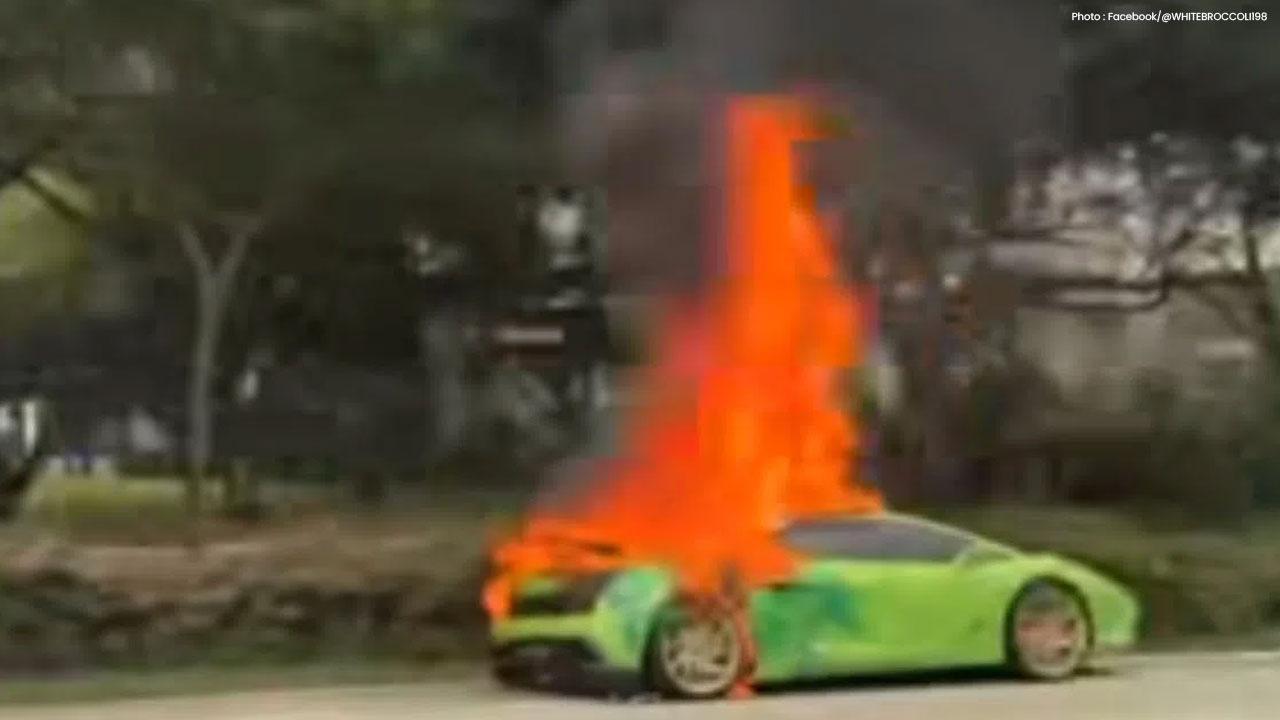
Lamborghini Catches Fire on Singapore's ECP, Causing Heavy Traffic
A Lamborghini caught fire on Singapore's ECP, causing heavy traffic and bus delays. No injuries were
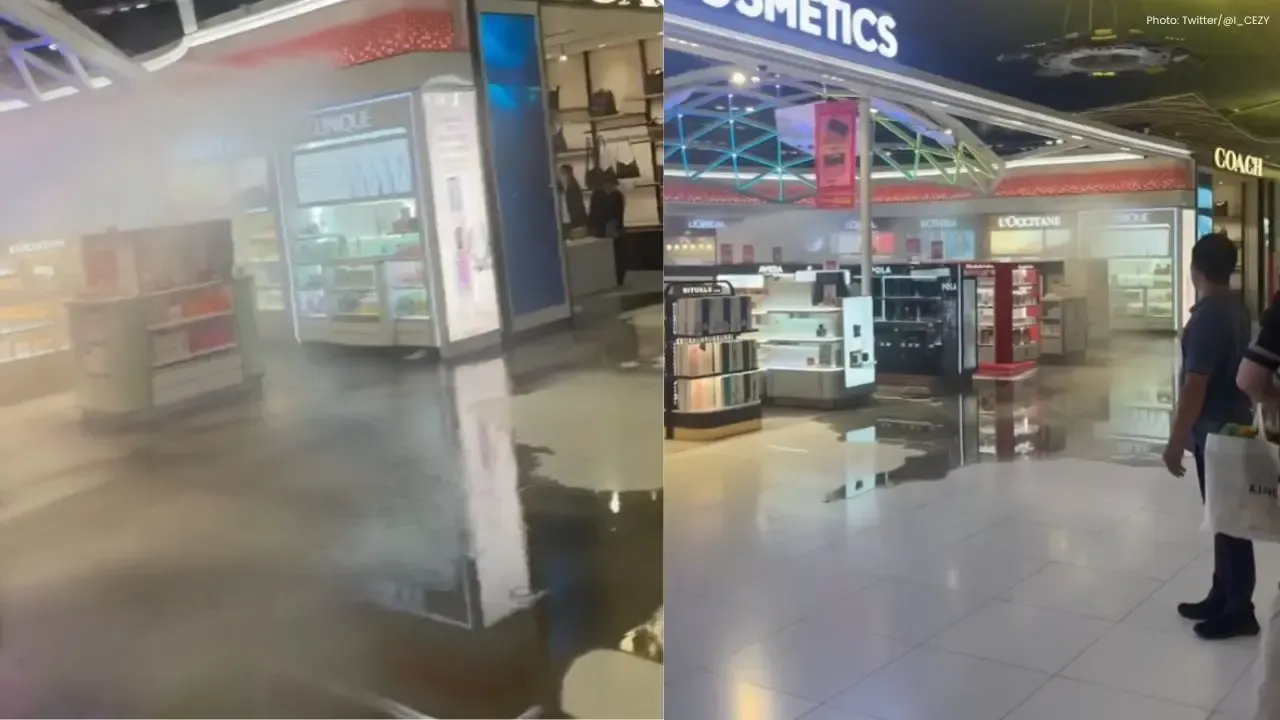
Bangkok Airport Duty-Free Area Flooded by Pipe Burst
A burst water pipe flooded the duty-free shopping area at Bangkok's Suvarnabhumi Airport on July 16,
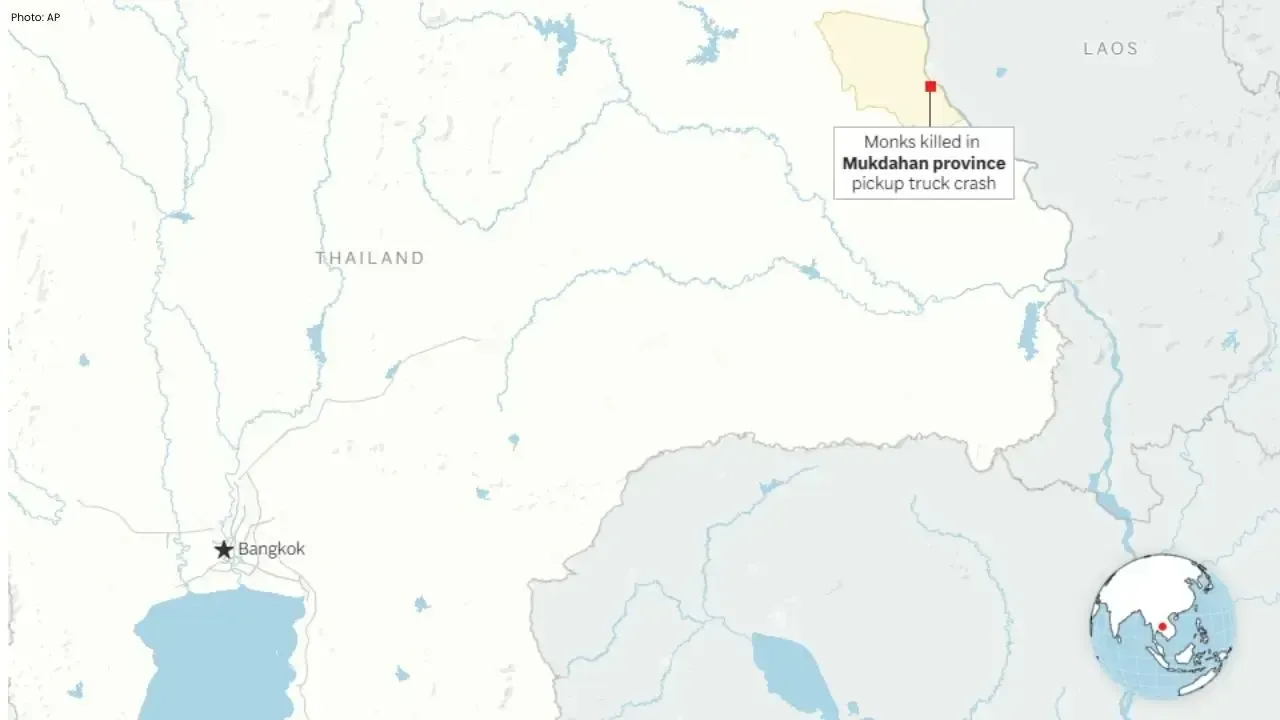
Nine Monks Killed in Thailand Pickup Truck Tragedy
An 11-year-old boy driving a pickup truck crashed into monks during a pilgrimage in northeastern Tha