You have not yet added any article to your bookmarks!
Join 10k+ people to get notified about new posts, news and tips.
Do not worry we don't spam!
Post by : Saif Rahman
The United Nations has expressed significant concerns following the capture of Venezuelan President Nicolas Maduro by U.S. forces, indicating that this action could exacerbate instability both within Venezuela and across the region. UN Secretary-General Antonio Guterres addressed the Security Council on Monday, pointing out potential legal and diplomatic implications.
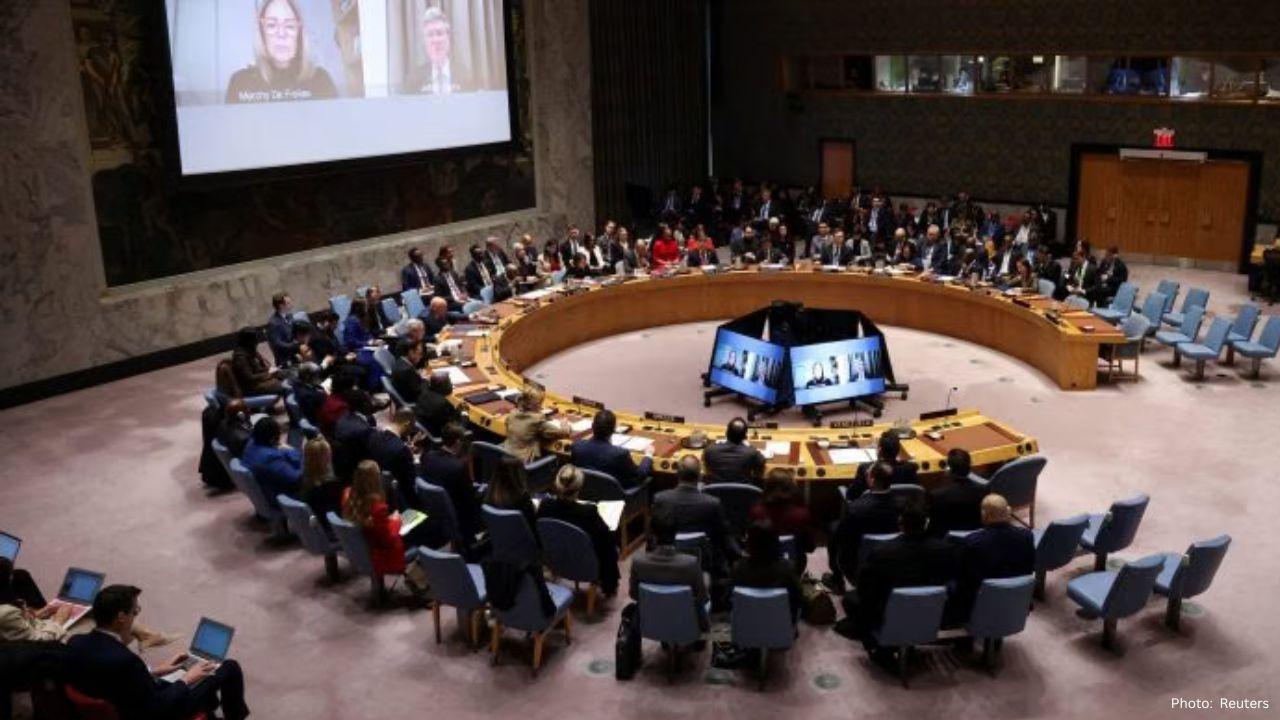
The Security Council convened at U.N. headquarters in New York shortly before Maduro was set to appear in a federal court in Manhattan, facing allegations tied to drug trafficking and narco-terrorism, which he denies.
“I am profoundly worried about the likelihood of increased instability in the nation, its broader implications for the region, and the precedent this might create in international relations,” Guterres stated via U.N. political affairs chief Rosemary DiCarlo.
The United States characterized its actions as a “surgical law enforcement operation” targeting two fugitives sought by American authorities. U.S. Ambassador to the U.N. Mike Waltz reiterated that the U.S. seeks no occupation of Venezuela, stating, “This is not a war against Venezuela or its people,” and emphasizing preventiveness against adversaries controlling its extensive energy resources.
Venezuela vocally denounced the U.S. intervention. U.N. Ambassador Samuel Moncada labeled the action “an illegitimate armed attack that lacks any legal grounding,” assuring that Venezuela’s institutions remain operational and its territorial integrity is preserved.
Guterres urged all Venezuelan parties to engage in “inclusive and democratic dialogue” to pursue a peaceful resolution, affirming the U.N. is prepared to support any initiatives aimed at fostering tranquil advancements for Venezuela.
International law featured prominently during the Security Council discussions. Guterres noted that the U.S. operation appeared to contravene norms enshrined in the U.N. Charter, which prohibits the use of force against a nation’s political independence or territorial integrity. While the U.S. invoked the right to self-defense under Article 51 of the Charter, various nations raised dissent.
Countries like Russia, China, and Colombia criticized the U.S. operation as unlawful. Russian Ambassador Vassily Nebenzia condemned nations that selectively demand compliance with international law. China likened the operation to past military interventions, warning that they often exacerbate crises. Colombia, which initiated the Security Council meeting, also denounced the U.S. action as a breach of Venezuela’s sovereignty.
Despite global disapproval, the U.S. is shielded from accountability at the U.N. Security Council due to its veto power, allowing it to obstruct any formal responses to its military actions.
This situation highlights the complexities involved in upholding international law in a landscape dominated by superpower influences. The U.N. continues to advocate for restraint, dialogue, and a peace-focused approach to prevent further destabilization within Venezuela and the surrounding Latin American region.
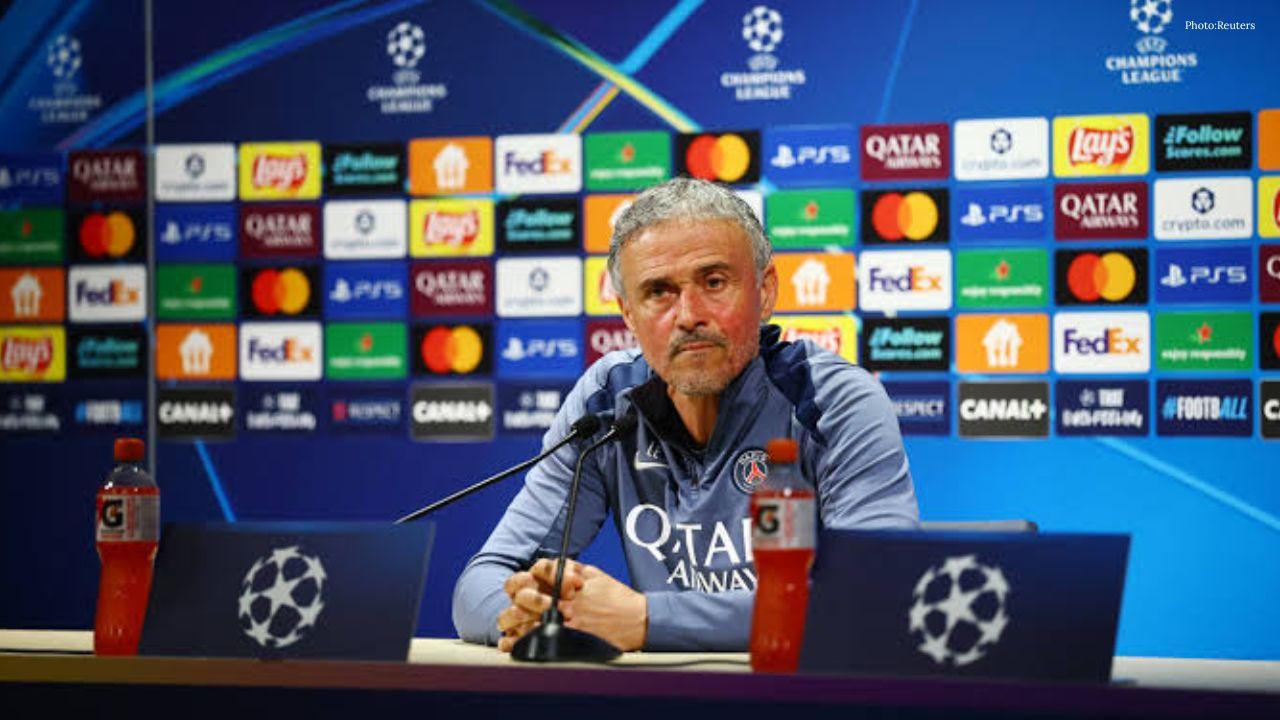



PSG Coach Luis Enrique Urges Players to Step Outside Comfort Zone
PSG coach Luis Enrique says players must leave their comfort zone and keep improving as the club tar

China’s Tiangong Sets New 400m Record at Robot Olympics
China’s Tiangong robot sets a new 400m record at the Robot Olympics, beating a South African robot i

George Russell Wins Dutch GP Sprint, Boosts Mercedes Morale
George Russell wins the Dutch GP Sprint from pole as Mercedes teammate Kimi Antonelli extends his F1
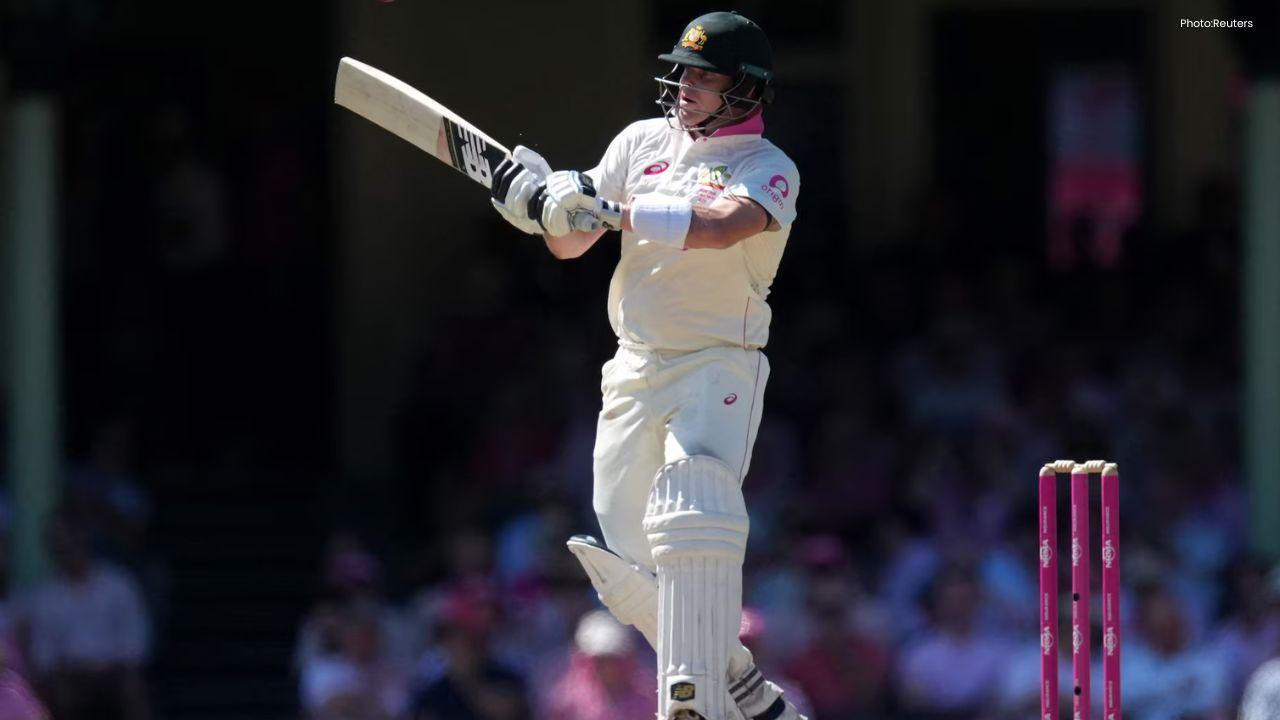
Australia 50/3 After Bangladesh Bowled Out for 64 in Second Test
Australia reached 50/3 after Bangladesh were bowled out for 64 in the second Test, with Mitchell Sta

Jordan Burroughs Returns to Wrestling with 2028 Olympic Dream
Jordan Burroughs returns to wrestling with Real American Freestyle as the Olympic champion eyes a po

Lamborghini Catches Fire on Singapore's ECP, Causing Heavy Traffic
A Lamborghini caught fire on Singapore's ECP, causing heavy traffic and bus delays. No injuries were