
You have not yet added any article to your bookmarks!
Join 10k+ people to get notified about new posts, news and tips.
Do not worry we don't spam!
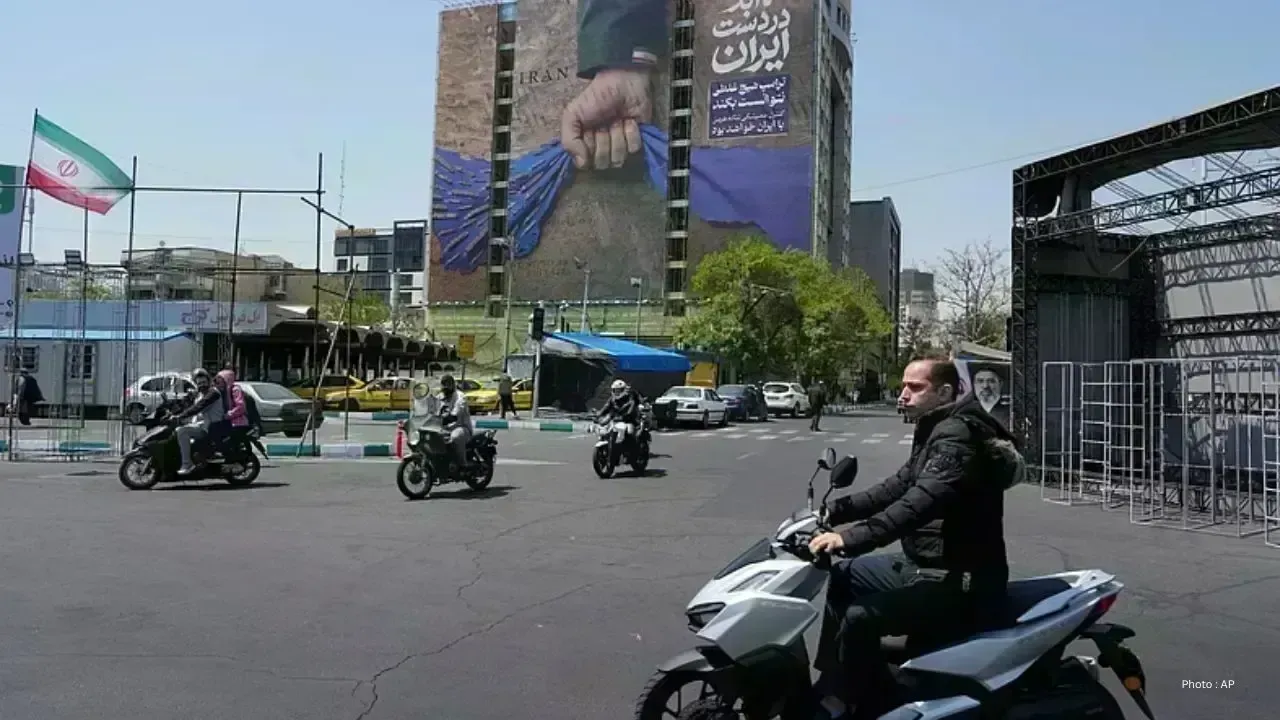
Post by : Shweta
Negotiations aimed at renewing discussions between the United States and Iran in Islamabad have hit a pause, yet a delicate ceasefire is still in effect, helping to avert immediate military conflict. The situation is tense, with lingering uncertainty about the duration of this truce.
The anticipated second round of talks in Islamabad did not take place, as Iran opted out of participation. In response to Pakistan's mediating efforts, President Trump has prolonged the ceasefire, allowing more time for quiet diplomatic maneuvers to unfold.
Tensions are mounting in the crucial Strait of Hormuz, where aggressive actions from both parties have been noted. Reports indicate that Iran’s Islamic Revolutionary Guard Corps targeted two vessels, damaging one without causing injuries. In retaliation, U.S. naval forces are intensifying a blockade aimed at Iranian shipping, thereby amplifying pressure on Tehran.
The ongoing conflict in the Strait of Hormuz raises alarms regarding global economic stability, given that this area is vital for oil shipping. Any disruption could result in increased energy prices affecting economies worldwide, particularly those of major Asian importers.
Iran has vehemently opposed the U.S. blockade and has refused to participate in discussions under the current circumstances. Iranian officials condemned the interception of an oil vessel as a breach of international law, bringing the matter to the attention of the United Nations. This has only deepened mutual distrust, hampering potential negotiations.
In Washington, mixed signals have further added to the uncertainty. While Trump has shown hope for dialogue, his comments often also include military threats, leading to confusion and undermining diplomatic channels.
Moreover, signs of internal dissent within Iran’s leadership have emerged, complicating decisions about entering negotiations. Disagreements about military tactics, nuclear policy, and relations with the U.S. have delayed consensus.
Despite these hurdles, discreet diplomatic efforts, particularly from Pakistan and other nations, continue in hopes of de-escalating tensions. For the time being, these initiatives are allowing the ceasefire to hold, although the situation remains precarious.
While the immediate threat of conflict has subsided, the stalling of talks alongside growing tensions indicates that the danger of escalation persists. Upcoming days will be pivotal in assessing whether diplomatic solutions can prevail or if the region edges closer to renewed hostilities.










PM Modi Pays Tribute to Mahatma Gandhi, Urges People to Support Khadi
PM Modi pays tribute to Mahatma Gandhi on Gandhi Jayanti and urges citizens to support Khadi and the

Amazon Seeks to Offload $8 Billion in Nvidia Chips to Investors
Amazon plans to move $8 billion in Nvidia chips to investors, using a new financing model to strengt

Samsung Raises Galaxy S26 Prices as Memory Chip Costs Rise
Samsung raises Galaxy S26 prices in South Korea as rising memory chip costs put pressure on smartpho

Lewis Hamilton Calls Singapore Grand Prix One of F1's Toughest Races
Lewis Hamilton discusses the demanding Singapore Grand Prix and brings Plus44 and Almave to Singapor

Denmark's Pandora Opens World's Largest Jewellery Factory in Vietnam
Pandora opens its largest jewellery factory in Vietnam, expanding global production, strengthening s

Gautam Gambhir Questions Batting-Friendly Pitches After India's Record ODI Chase
Gautam Gambhir questions batting-friendly ODI pitches after India’s record chase, calling for a bett

