You have not yet added any article to your bookmarks!
Join 10k+ people to get notified about new posts, news and tips.
Do not worry we don't spam!

Post by : Anis Farhan
The thyroid gland, a small butterfly-shaped organ in the neck, plays a central role in regulating metabolism, energy levels, body temperature, weight and mood. It produces hormones that influence nearly every organ system in the body. When the thyroid malfunctions — either producing too much hormone (hyperthyroidism) or too little (hypothyroidism) — the effects can be profound. While many people suspect a “malfunctioning thyroid” based on vague symptoms like fatigue or weight changes, doctors increasingly urge patients to consult a healthcare provider before ordering thyroid tests. This careful approach helps ensure that testing is appropriate and interpreted correctly, avoiding unnecessary tests, misdiagnosis or overtreatment. (turn0search11)
The thyroid gland produces two primary hormones:
T3 (triiodothyronine) — the active hormone that influences metabolism.
T4 (thyroxine) — a precursor converted to T3 in tissues.
These hormones regulate heart rate, digestion, energy production and mood. Their production is controlled by the thyroid-stimulating hormone (TSH), released by the pituitary gland — a key regulator in the feedback system of hormone balance.
Thyroid dysfunction often presents with non-specific symptoms such as fatigue, weight changes, mood swings, hair loss, temperature sensitivity and changes in heart rate. These symptoms overlap with stress, depression, nutritional imbalance and other common conditions. Relying purely on symptoms — without clinical evaluation — can lead to unnecessary testing or incorrect assumptions about thyroid status. Consulting a doctor helps differentiate thyroid-related symptoms from other possible causes.
Incorrect or premature testing can produce confusing results. For example, TSH levels fluctuate during the day and can be influenced by factors such as food intake, sleep and stress. Studies show that even minor timing differences in sample collection can affect results and potentially lead to misinterpretation, especially for borderline or subclinical thyroid dysfunction. These variations are best understood when guided by a medical professional.
In hypothyroidism, the thyroid produces insufficient hormones, slowing bodily functions. Symptoms may include:
Unexplained weight gain
Persistent fatigue
Sensitivity to cold
Dry skin and hair changes
Constipation
Irregular menstrual cycles
These features develop gradually and can be mistaken for normal aging or lifestyle-related fatigue, making clinical evaluation important before testing. (turn0search8)
When the thyroid produces excess hormones, body processes accelerate. Typical signs include:
Unintentional weight loss
Rapid heart rate or palpitations
Tremors
Excessive sweating
Anxiety or restlessness
Changes in bowel habits
These symptoms are equally non-specific — overlapping with anxiety disorders, arrhythmias or metabolic imbalances. Professional assessment helps determine whether thyroid dysfunction is likely and which tests are appropriate. (turn0search8)
A doctor will take a detailed medical history, including family history of thyroid disease, symptoms timeline, medication use and lifestyle factors. This step is crucial because thyroid diseases — such as Hashimoto’s thyroiditis or Graves’ disease — may have autoimmune origins or be triggered by immune system changes. A clinician can help identify which patients truly need thyroid testing based on symptom clusters and risk factors.
During a physical exam, the physician may palpate the neck to detect thyroid enlargement (goiter), nodules or irregularities. These physical signs, combined with symptoms, guide decisions on whether to proceed with laboratory tests.
The most common initial test, TSH, reflects pituitary response to thyroid hormone levels. Elevated TSH typically suggests hypothyroidism, while low TSH may indicate hyperthyroidism. However, TSH alone doesn’t reveal causes or severity; it must be interpreted in context.
These tests measure the levels of circulating thyroid hormones:
T4 (thyroxine) — major hormone in circulation.
T3 (triiodothyronine) — active form affecting metabolism.
Abnormalities help clarify whether the thyroid itself is overactive or underactive and guide further management.
Antibody tests help diagnose autoimmune thyroid diseases such as Hashimoto’s thyroiditis and Graves’ disease. These conditions may require distinct monitoring and treatment strategies.
Doctors may recommend thyroid testing if a patient presents with consistent symptoms suggestive of thyroid imbalance, has a family history of thyroid disease, or belongs to a high-risk group such as women over 35, pregnant women, or people with autoimmune conditions. Regular screening might be advised in these settings to detect imbalances early. (turn0search8)
Once a thyroid disorder is diagnosed, regular monitoring is essential. For example, in hypothyroidism treated with hormone replacement therapy, thyroid function tests — such as TSH — are typically monitored every 6 to 12 months once stable, with more frequent testing during treatment adjustments. Annual testing often suffices for those with stable thyroid hormone levels.
Unsupervised testing can lead to misinterpretation of isolated abnormal values. For instance, factors like stress, illness, pregnancy or medications can temporarily affect hormone levels. A trained clinician knows when to repeat tests, which panels to order and how to interpret results alongside clinical context. This reduces misdiagnosis and unnecessary follow-ups.
Different situations warrant different tests. Some patients may only need a TSH test, while others — such as those with suspected autoimmune thyroid disease — also require antibody testing. Consulting a physician ensures efficient, targeted testing rather than a broad, unfocused panel.
Some people believe that any sign of tiredness or weight gain automatically warrants thyroid testing. In reality, many symptoms overlap with other conditions, and doctors must consider overall health, medication use and differential diagnoses before proceeding. This prevents unnecessary anxiety and medical costs for patients.
Unlike some other blood tests, thyroid hormone tests typically do not require fasting, though timing (such as early morning collection) may be advised for consistency or when testing for certain subtle conditions. Decisions about preparation should come from the healthcare provider. (turn0search8)
Although symptoms can be vague, paying attention to persistent patterns — such as fatigue, unexplained weight changes, mood swings, or changes in menstrual cycles — may prompt timely medical evaluation and appropriate testing. Early recognition and intervention often lead to better outcomes.
While diet and lifestyle alone cannot cure thyroid disorders, maintaining a balanced diet including nutrients like iodine, selenium and zinc supports thyroid health. Patients with thyroid conditions should follow medical advice and appropriate dietary recommendations to support their treatment plan.
A malfunctioning thyroid can affect quality of life significantly, but testing without proper medical guidance may not always be the best first step. Doctors recommend consultation before thyroid testing to ensure that the right tests are ordered, that symptoms are accurately interpreted and that results lead to appropriate management strategies. By combining clinical expertise with laboratory insights, patients can achieve clearer diagnosis, avoid unnecessary procedures and begin effective treatment when needed. Proper consultation protects health, reduces anxiety and ensures that interventions are beneficial rather than burdensome.
Disclaimer:
This article is intended for informational purposes only and does not substitute professional medical advice. Always consult a qualified healthcare provider before making decisions about thyroid testing and diagnosis.








Lamborghini Catches Fire on Singapore's ECP, Causing Heavy Traffic
A Lamborghini caught fire on Singapore's ECP, causing heavy traffic and bus delays. No injuries were

Bangkok Airport Duty-Free Area Flooded by Pipe Burst
A burst water pipe flooded the duty-free shopping area at Bangkok's Suvarnabhumi Airport on July 16,
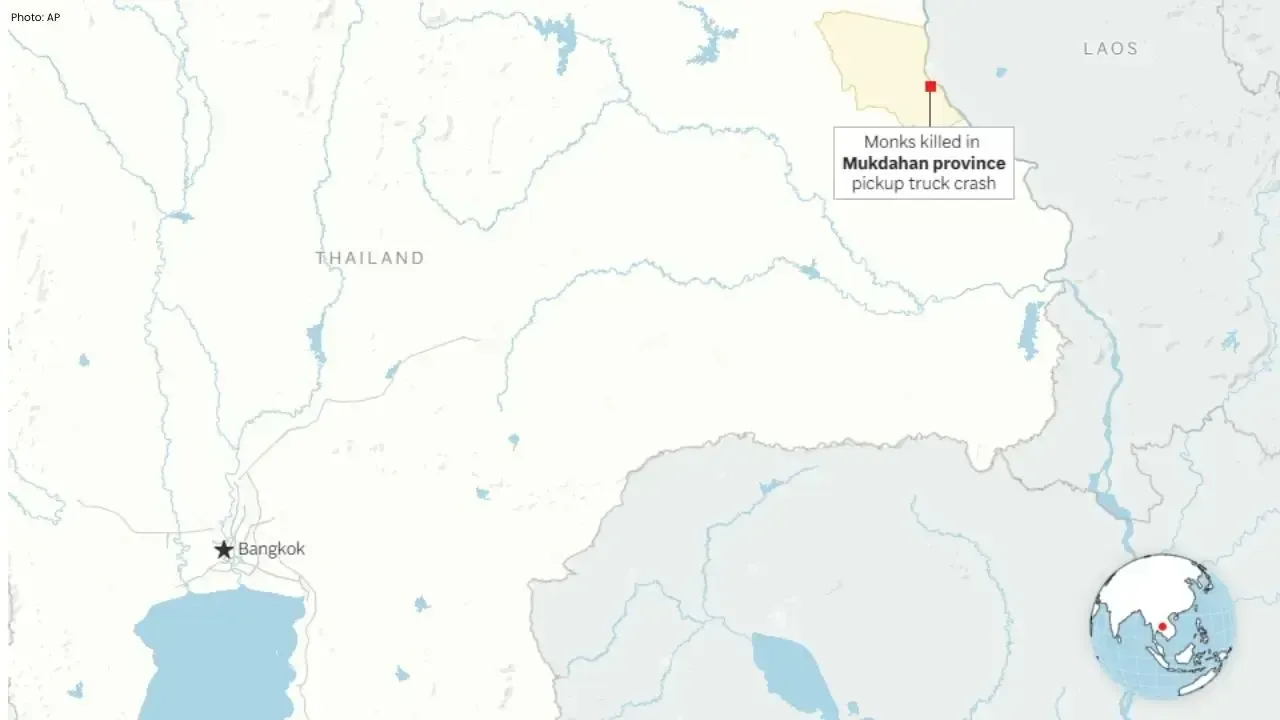
Nine Monks Killed in Thailand Pickup Truck Tragedy
An 11-year-old boy driving a pickup truck crashed into monks during a pilgrimage in northeastern Tha

Anwar Congratulates Xi on CPC's 105th Anniversary
Malaysia reaffirms strong ties with China as PM Anwar Ibrahim sends a congratulatory letter to Presi
Thai Agriculture Team Reviews 2026 Farm Development Plans
Agriculture Ministry officials inspected livestock and organic rice projects in Nakhon Sawan to moni

Thailand, Canada Boost Ties in PM-Level Phone Talks
Thailand and Canada agreed to strengthen trade, security, OECD cooperation and ASEAN-Canada FTA talk