
You have not yet added any article to your bookmarks!
Join 10k+ people to get notified about new posts, news and tips.
Do not worry we don't spam!
Post by : Badri Ariffin
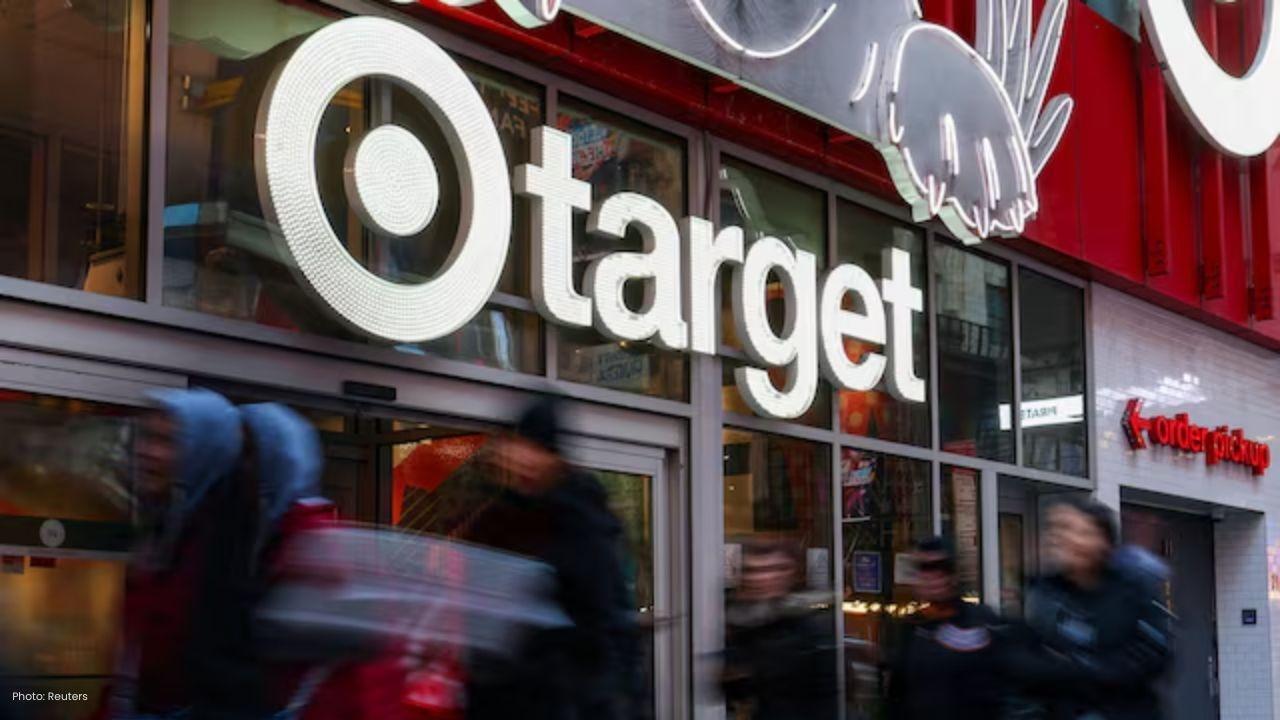
Minneapolis-based retail giant Target reported a sharp decline in third-quarter profits, signaling mounting challenges as it battles high inflation and cautious shoppers. The retailer’s profit for the period ending November 1 fell to $689 million, down 19% from $854 million last year, reflecting a turbulent retail environment.
Sales also slipped 1.5% to $25.27 billion, falling slightly short of analysts’ expectations. Comparable sales, tracking existing stores and online channels, dropped 2.7%, marking the third consecutive quarterly decline. Essential categories like food and beverages posted gains, but discretionary items—including apparel and home décor—continued to struggle as consumers prioritize essentials over seasonal splurges.
Strategic Moves to Revive Shopper Interest
Target is taking aggressive steps to reverse the slump. The company plans to spend an additional $1 billion next year on store remodels and expansions, bringing its total investment to $5 billion. It has also slashed prices on thousands of food and household essentials and introduced more than 20,000 new products, double the count from last year.
In October, Target cut approximately 1,800 corporate positions, roughly 8% of its headquarters workforce, in a bid to streamline decision-making and accelerate initiatives aimed at boosting customer engagement.
Challenges Beyond Inflation
The retailer faces hurdles beyond shifting consumer habits. Public boycotts, triggered by the scaling back of corporate diversity and inclusion programs, and ongoing economic pressures—including federal shutdown impacts, tariffs, and workforce shortages—have compounded difficulties.
Even holiday events show changing consumer behavior. During Halloween, for instance, shoppers bought candy and costumes but spent less on decorations. Experts expect similar prioritization for the winter holiday season, focusing on “what goes under the tree” rather than “what goes on the tree.”
Target’s incoming CEO, Michael Fiddelke, steps in February with a challenging task: reviving sales and restoring the brand’s appeal as a destination for stylish yet affordable products. For the fourth quarter, the company anticipates low single-digit declines in comparable sales, and full-year earnings per share are now expected to range from $7 to $8, down from the earlier $7 to $9 forecast.
The retailer is also embracing technology, partnering with OpenAI to allow shoppers to browse Target items via ChatGPT, with purchases directed to the Target app, blending digital convenience with in-store accessibility.










PM Modi Pays Tribute to Mahatma Gandhi, Urges People to Support Khadi
PM Modi pays tribute to Mahatma Gandhi on Gandhi Jayanti and urges citizens to support Khadi and the

Amazon Seeks to Offload $8 Billion in Nvidia Chips to Investors
Amazon plans to move $8 billion in Nvidia chips to investors, using a new financing model to strengt

Samsung Raises Galaxy S26 Prices as Memory Chip Costs Rise
Samsung raises Galaxy S26 prices in South Korea as rising memory chip costs put pressure on smartpho

Lewis Hamilton Calls Singapore Grand Prix One of F1's Toughest Races
Lewis Hamilton discusses the demanding Singapore Grand Prix and brings Plus44 and Almave to Singapor

Denmark's Pandora Opens World's Largest Jewellery Factory in Vietnam
Pandora opens its largest jewellery factory in Vietnam, expanding global production, strengthening s

Gautam Gambhir Questions Batting-Friendly Pitches After India's Record ODI Chase
Gautam Gambhir questions batting-friendly ODI pitches after India’s record chase, calling for a bett

