
You have not yet added any article to your bookmarks!
Join 10k+ people to get notified about new posts, news and tips.
Do not worry we don't spam!
Post by : Rameen Ariff
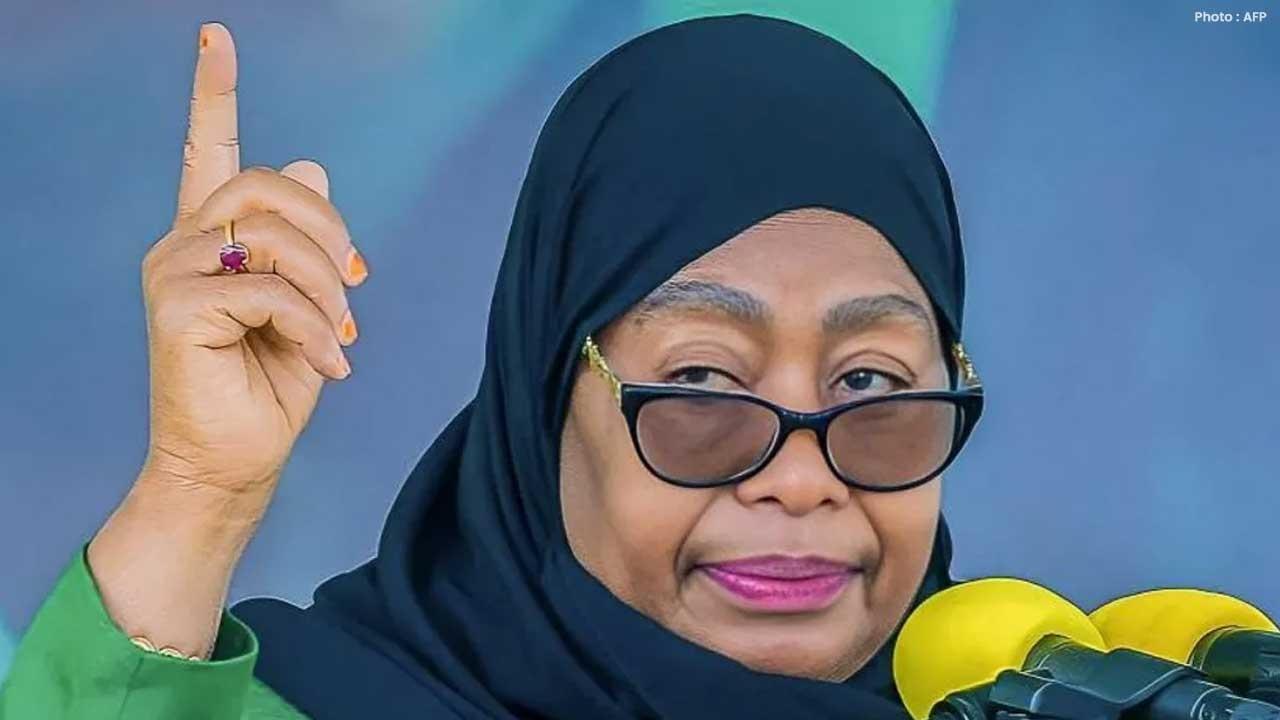
Dar es Salaam, Tanzania – In a bid to tackle the criticism stemming from last month’s contentious presidential elections, President Samia Suluhu Hassan has called for a formal inquiry into the unrest that ensued. This response aims to address the wave of discontent surrounding the government’s management of unprecedented protests.
Having won the election with an overwhelming 98% of the vote, President Samia is now facing accusations from the opposition, who claim her government resorted to violence to quash demonstrations, leading to numerous injuries and at least 240 arrests on treason charges. Critics and political observers have characterized the election as a severe undermining of democratic processes, raising significant global concerns regarding governance and human rights in Tanzania.
During a pivotal speech before parliament on Friday, President Samia appealed to prosecutors to show mercy towards those affected by the post-election chaos. Citing a biblical passage, she urged forgiveness, indicating a desire to mend the nation's political rifts.
Creating a Commission for Accountability
The establishment of an inquiry commission was announced to investigate the unrest's origins and seek accountability for the involved parties. President Samia emphasized that many of the detained youth might not fully have comprehended the ramifications of their actions. "As a mother and guardian of this nation, I am directing law-enforcement agencies, particularly the DPP's office, to exercise leniency," she expressed.
The President also encouraged political entities to engage in responsible political practices and reiterated her commitment to amend the constitution. Observers interpret her approach as a step toward unifying the nation following a tumultuous electoral period.
International Scrutiny and Rising Concern
The unrest has garnered attention on a global scale. UN High Commissioner for Human Rights, Volker Türk, has urged Tanzanian officials to implement a thorough and transparent investigation into reported violations and violence that occurred surrounding the elections on 29 October. Although official casualty numbers remain unreleased, opposition sources suggest hundreds may have perished amid the turmoil.
The protests, largely mobilized by the youth demographic, resemble international movements advocating against entrenched authority and unyielding governance. Analysts point to a strained political environment leading into the elections, characterized by stalled reforms, internal power conflicts within the ruling Chama Cha Mapinduzi (CCM) party, and a systematic clampdown on opposition leaders.
The State of Politics and the Election Background
Initially, President Samia gained recognition during her first term for her tolerance of opposition activities and her efforts to reintegrate Tanzania into the global community through her “4R” framework: reconciliation, resilience, rebuilding, and reform. However, the months preceding the election were characterized by considerable political repression, including targeted arrests, abductions, and the fatal attacks on opposition figures. Notably, leaders Tundu Lissu and Luhaga Mpina were impeded from participating in the election due to treason charges and disqualification issues, intensifying public dissatisfaction.
This unprecedented unrest post-elections challenges Tanzania’s historical reputation for stability. The call for a comprehensive inquiry and leniency from President Samia marks a vital juncture for governance, human rights, and political reconciliation in Tanzania.
The nation now eagerly anticipates whether the proposed inquiry and administrative leniency can restore confidence between the government and the populace. Political analysts caution that achieving genuine reconciliation will necessitate accountability, transparency, and engagement with the youth—who have been pivotal in this recent mobilization.
President Samia’s governance is under close watch both locally and globally, with observers eager to see if her administration can uphold democratic ideals amidst the intricacies of post-election disturbance.










PM Modi Pays Tribute to Mahatma Gandhi, Urges People to Support Khadi
PM Modi pays tribute to Mahatma Gandhi on Gandhi Jayanti and urges citizens to support Khadi and the

Amazon Seeks to Offload $8 Billion in Nvidia Chips to Investors
Amazon plans to move $8 billion in Nvidia chips to investors, using a new financing model to strengt

Samsung Raises Galaxy S26 Prices as Memory Chip Costs Rise
Samsung raises Galaxy S26 prices in South Korea as rising memory chip costs put pressure on smartpho

Lewis Hamilton Calls Singapore Grand Prix One of F1's Toughest Races
Lewis Hamilton discusses the demanding Singapore Grand Prix and brings Plus44 and Almave to Singapor

Denmark's Pandora Opens World's Largest Jewellery Factory in Vietnam
Pandora opens its largest jewellery factory in Vietnam, expanding global production, strengthening s

Gautam Gambhir Questions Batting-Friendly Pitches After India's Record ODI Chase
Gautam Gambhir questions batting-friendly ODI pitches after India’s record chase, calling for a bett

