You have not yet added any article to your bookmarks!
Join 10k+ people to get notified about new posts, news and tips.
Do not worry we don't spam!
Post by : Saif Rahman
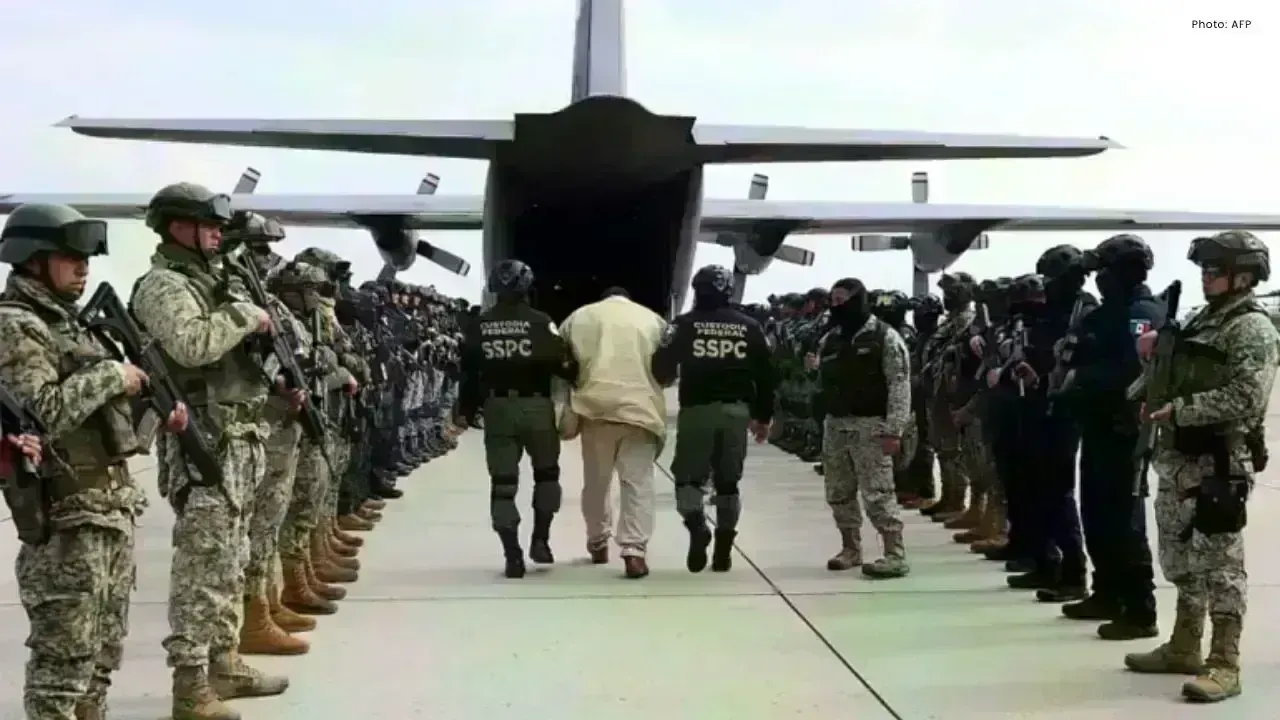
In a significant move, Mexico has dispatched 37 suspected members of drug cartels to the United States, underscoring its ongoing collaboration with US authorities to tackle organized crime. This transfer occurs against a backdrop of heightened tension regarding drug trafficking and safety issues between the two nations.
Mexican officials categorize these suspects as high-risk individuals deeply tied to influential drug cartels. They were secured throughout the transfer and transported to various US cities to confront criminal allegations. This marks the total number of alleged cartel members sent to the US at 92 over recent months.
The leadership in Mexico's security sector stated that this decision aims to safeguard public safety and diminish the power of criminal organizations within the country. Authorities confirmed that these transfers align with legal cooperation agreements between Mexico and the US. Notably, Mexico ensured that these individuals would not be subjected to the death penalty in the US.
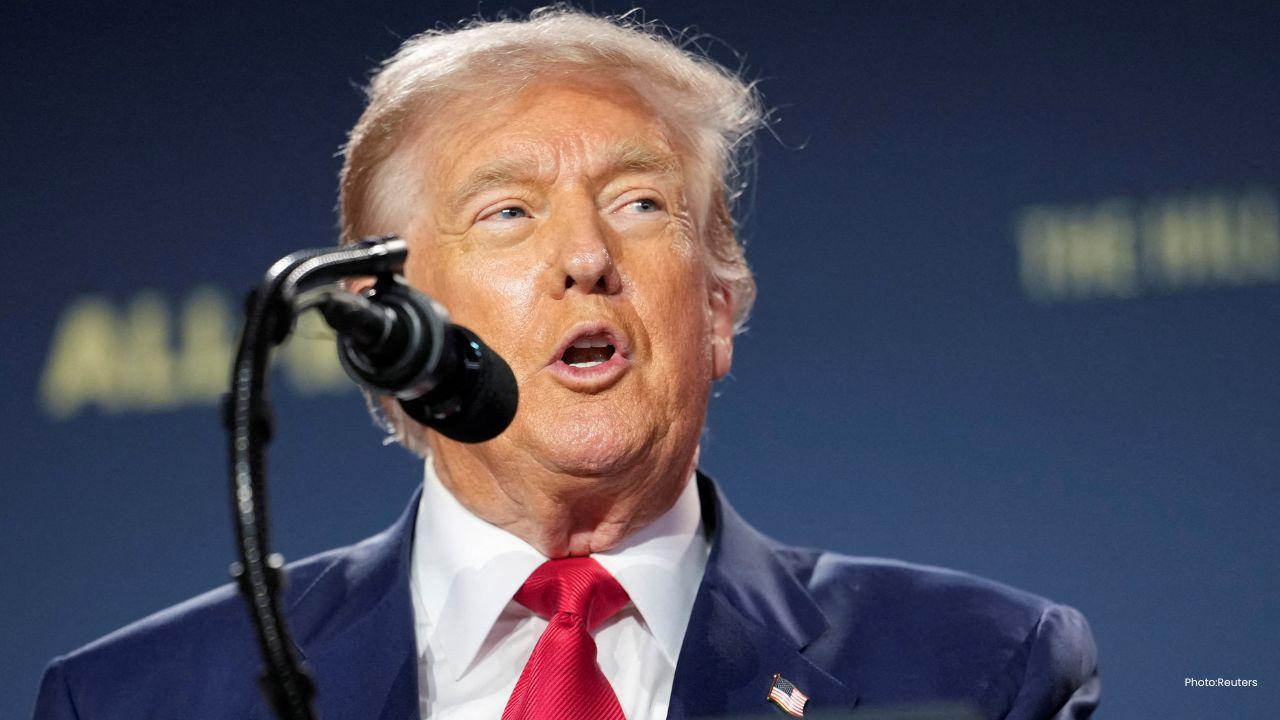
This action follows emphatic comments from US President Donald Trump, who identified drug cartels as a significant threat to American security, suggesting potential direct interventions against these groups. Mexico, however, has firmly opposed any foreign military actions on its soil, emphasizing that cooperation should honor national sovereignty.
With these transfers, Mexico appears to prefer legal collaboration over confrontation, believing that prosecuting cartel leaders in US courts can disrupt criminal networks and curtail their operations from Mexican prisons, where many still exert influence.
Nonetheless, this move has ignited discussions within Mexico. Some legal professionals and political figures question whether such transfers adequately respect Mexican law and due process, stressing that lasting crime solutions must also encompass social development, enhanced institutions, and judicial reform.
Advocates for this decision argue that cartels operate beyond borders, necessitating shared accountability in addressing drug-related issues. They contend that cooperation with the US can help mitigate violence, curb drug trafficking, and bolster safety for citizens in both countries.
Mexico’s administration insists that its objective is to combat organized crime while upholding national sovereignty. They assert that these efforts are part of a broader security agenda, not solely prompted by external pressures.
As drug trafficking continues to impact millions across North America, the recent transfers highlight the intertwined security realities of Mexico and the United States. The long-term effectiveness of this strategy remains uncertain, yet it signals a robust stance against entrenched criminal entities.








George Russell Wins Dutch GP Sprint, Boosts Mercedes Morale
George Russell wins the Dutch GP Sprint from pole as Mercedes teammate Kimi Antonelli extends his F1

Australia 50/3 After Bangladesh Bowled Out for 64 in Second Test
Australia reached 50/3 after Bangladesh were bowled out for 64 in the second Test, with Mitchell Sta

Jordan Burroughs Returns to Wrestling with 2028 Olympic Dream
Jordan Burroughs returns to wrestling with Real American Freestyle as the Olympic champion eyes a po

Lamborghini Catches Fire on Singapore's ECP, Causing Heavy Traffic
A Lamborghini caught fire on Singapore's ECP, causing heavy traffic and bus delays. No injuries were

Bangkok Airport Duty-Free Area Flooded by Pipe Burst
A burst water pipe flooded the duty-free shopping area at Bangkok's Suvarnabhumi Airport on July 16,
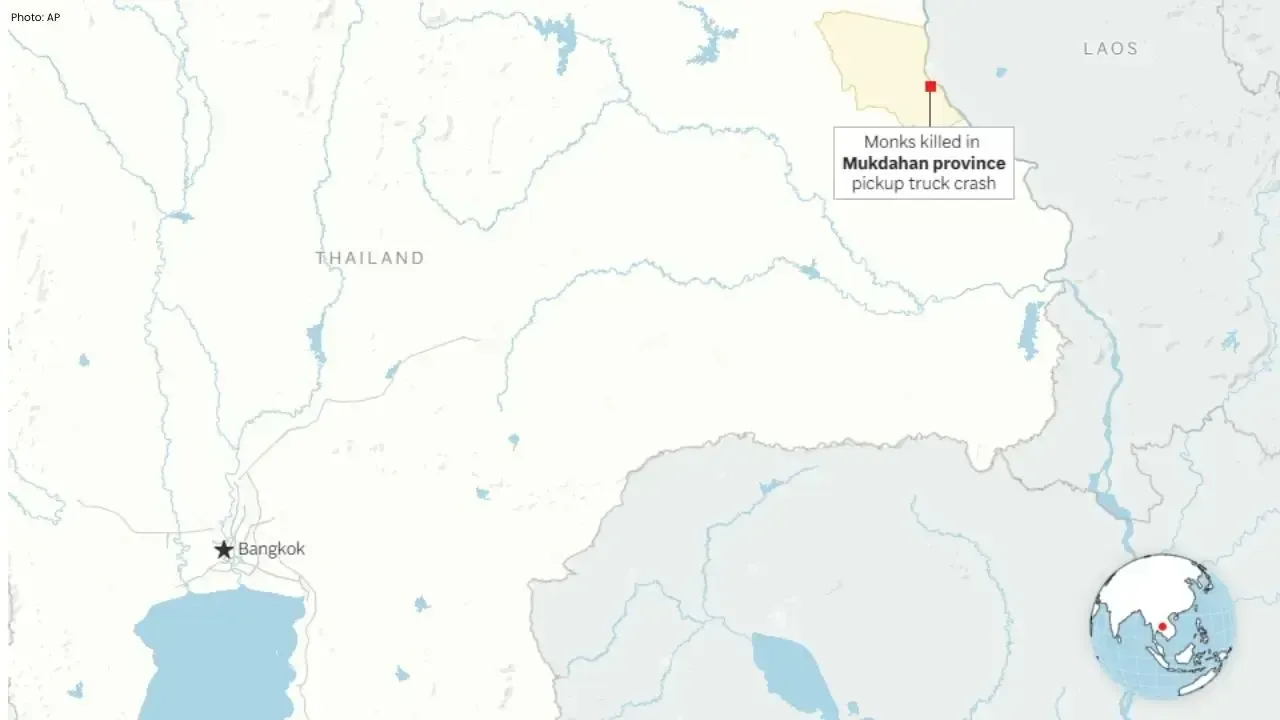
Nine Monks Killed in Thailand Pickup Truck Tragedy
An 11-year-old boy driving a pickup truck crashed into monks during a pilgrimage in northeastern Tha