You have not yet added any article to your bookmarks!
Join 10k+ people to get notified about new posts, news and tips.
Do not worry we don't spam!
Post by : Meena Ariff
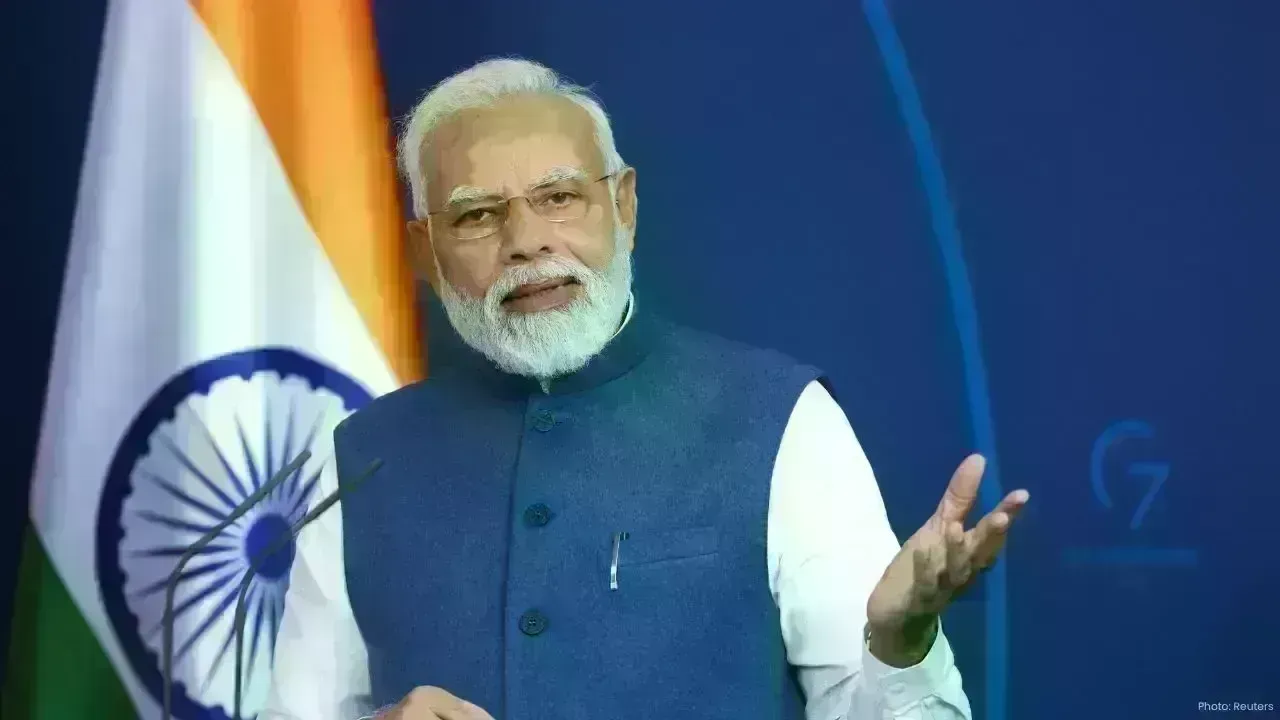
New Delhi is set for a major diplomatic and economic milestone as India and the European Union prepare to finalize a long-pending Free Trade Agreement during the 16th India-EU Summit on January 27. The summit coincides with India’s 77th Republic Day celebrations, where the EU’s top leaders will attend as chief guests.
President of the European Council, Antonio Costa, and President of the European Commission, Ursula von der Leyen, will be on a state visit from January 25 to 27 at the invitation of Prime Minister Narendra Modi. Their schedule includes attending the Republic Day parade, co-chairing the summit with PM Modi, and holding meetings with President Droupadi Murmu. Restricted and delegation-level talks with Indian leaders are also planned to strengthen bilateral ties.
An India-EU Business Forum is expected to run alongside the summit, highlighting the economic dimension of the visit.
At the center of discussions is the Broad-based Trade and Investment Agreement (BTIA), the formal name of the India-EU Free Trade Agreement. First launched in 2007, negotiations stalled for years before being relaunched in 2022 amid global economic shifts. Talks accelerated during Ursula von der Leyen’s visit to India in February 2025. Officials now indicate that only a few key issues remain unresolved, with 20 out of 24 chapters already closed. Commerce and Industry Minister Piyush Goyal’s recent visit to Brussels was described as a decisive step toward finalizing the deal.
Commerce Secretary officials have confirmed that both sides are determined to conclude the agreement before the leaders’ meeting. Sensitive agricultural matters, long a contentious point, have reportedly been kept out of the pact to ease political concerns in India and among EU member states.
If signed, the FTA would be among India’s most significant trade deals and a major achievement for the EU in Asia. The agreement is expected to increase two-way trade, attract investment, and integrate supply chains across manufacturing, technology, clean energy, pharmaceuticals, and services. Some complex issues, such as market access in certain industries and the EU’s Carbon Border Adjustment Mechanism, remain under discussion.
The broader political context is favourable. India and the EU have been strategic partners since 2004, with relations expanding notably in recent years. The EU’s visit in February 2025, which included the entire College of Commissioners, and the endorsement of a new strategic agenda in October 2025, have strengthened cooperation in areas such as technology, sustainability, security, and global connectivity.
The presence of the EU’s top leaders at Republic Day is seen as a powerful political signal. President Costa described India as a “crucial partner” for the EU, with the summit offering a chance to translate strategic alignment into tangible economic outcomes. A formal announcement of the FTA on January 27 would cap nearly two decades of negotiations and mark a new chapter in India-EU relations.




George Russell Wins Dutch GP Sprint, Boosts Mercedes Morale
George Russell wins the Dutch GP Sprint from pole as Mercedes teammate Kimi Antonelli extends his F1

Australia 50/3 After Bangladesh Bowled Out for 64 in Second Test
Australia reached 50/3 after Bangladesh were bowled out for 64 in the second Test, with Mitchell Sta

Jordan Burroughs Returns to Wrestling with 2028 Olympic Dream
Jordan Burroughs returns to wrestling with Real American Freestyle as the Olympic champion eyes a po
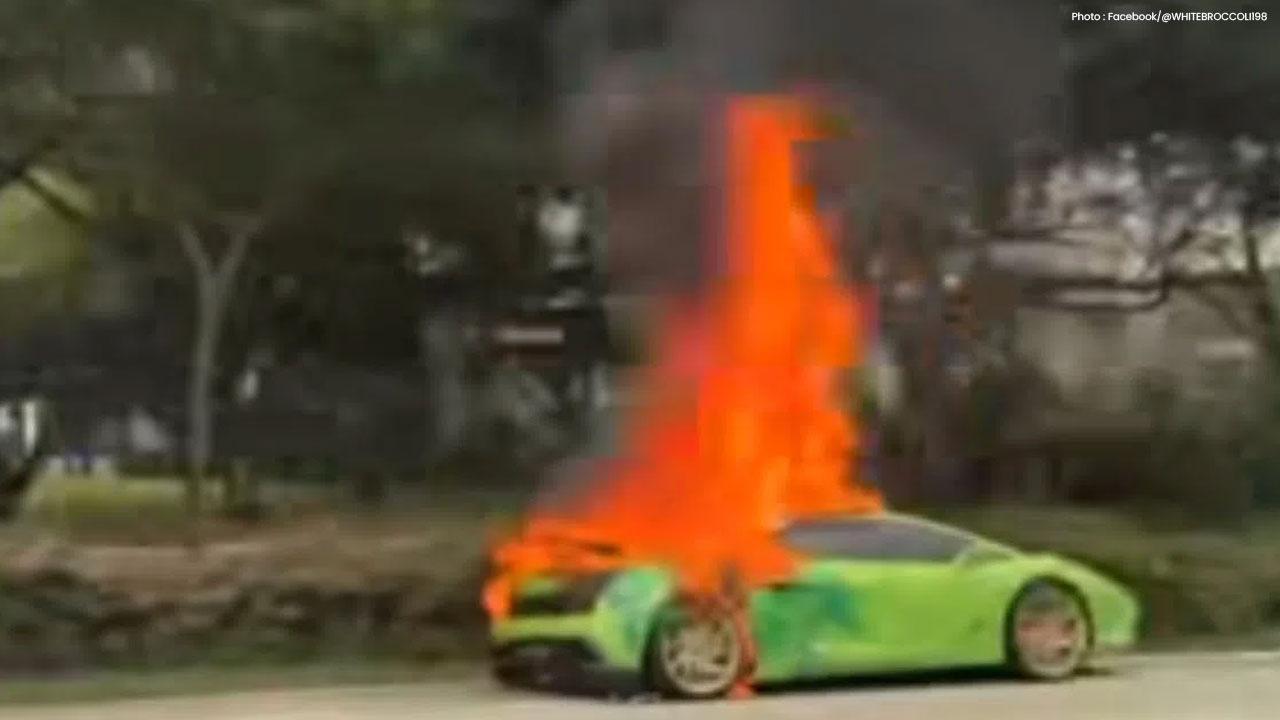
Lamborghini Catches Fire on Singapore's ECP, Causing Heavy Traffic
A Lamborghini caught fire on Singapore's ECP, causing heavy traffic and bus delays. No injuries were
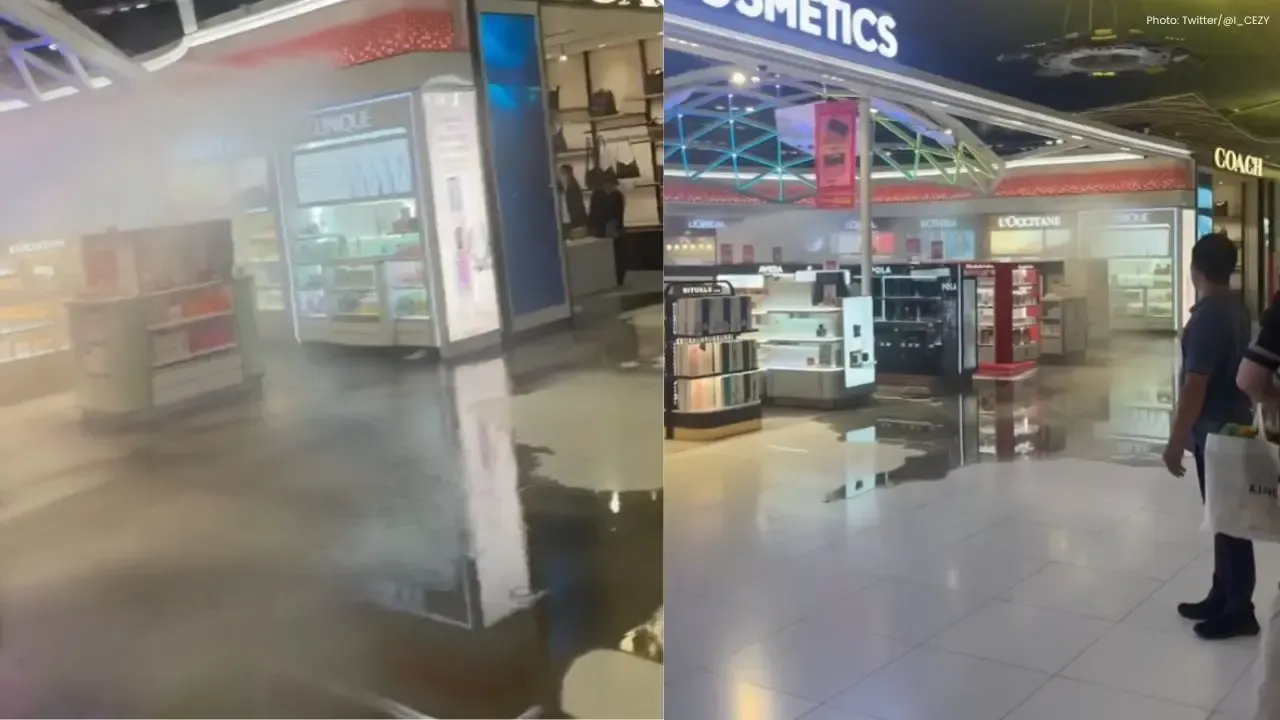
Bangkok Airport Duty-Free Area Flooded by Pipe Burst
A burst water pipe flooded the duty-free shopping area at Bangkok's Suvarnabhumi Airport on July 16,
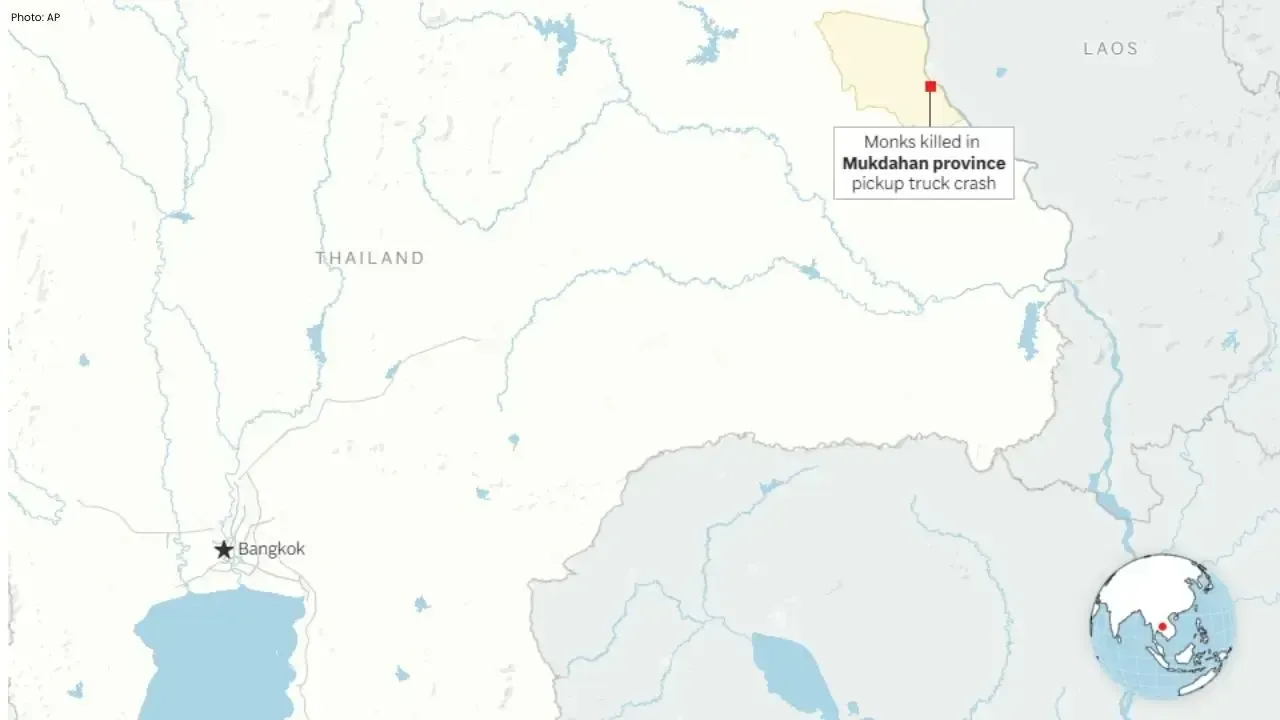
Nine Monks Killed in Thailand Pickup Truck Tragedy
An 11-year-old boy driving a pickup truck crashed into monks during a pilgrimage in northeastern Tha