You have not yet added any article to your bookmarks!
Join 10k+ people to get notified about new posts, news and tips.
Do not worry we don't spam!
Post by : Saif Rahman
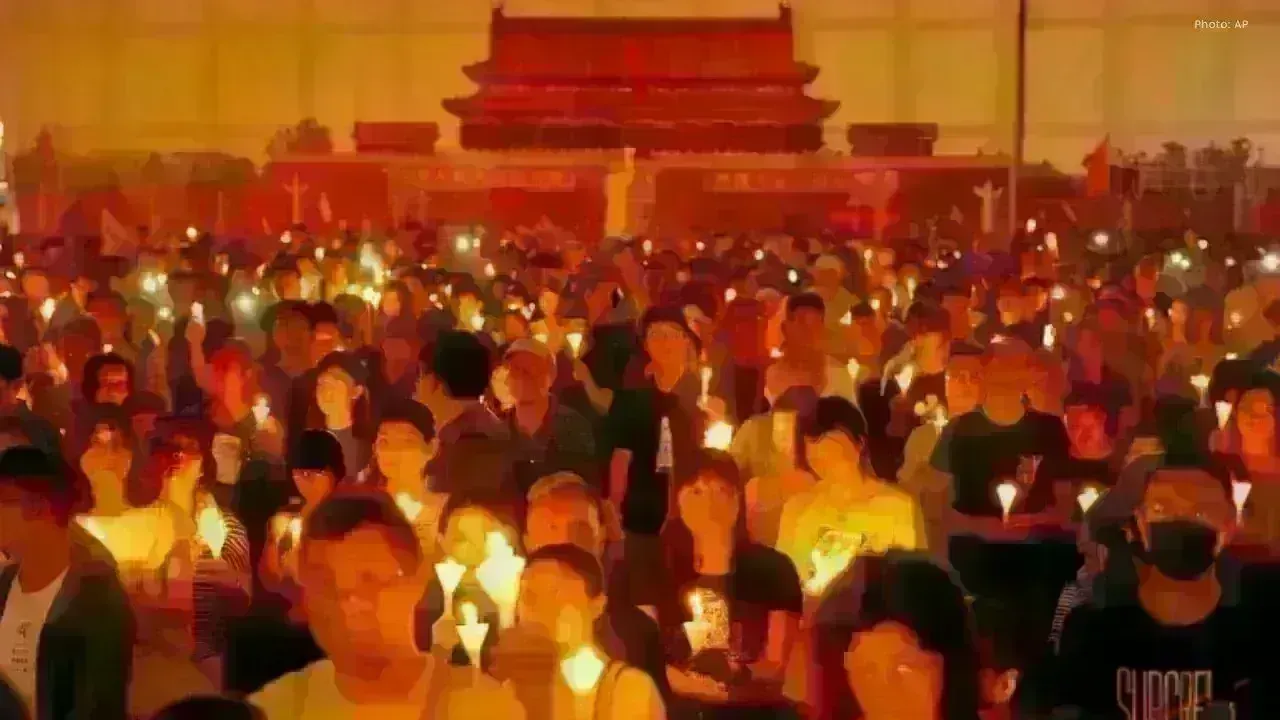
The significant national security trial in Hong Kong has commenced against activists who facilitated annual candlelight vigils to commemorate the Tiananmen Square massacre of 1989. This case is garnering widespread attention locally and internationally as it raises crucial issues surrounding free expression, historical memory, and the evolving legal environment in Hong Kong.
The defendants include former leaders of the Hong Kong Alliance, a group that has been annually holding peaceful vigils every June 4 for over 30 years to honor the victims of the Tiananmen protests in Beijing. These vigils previously served as a poignant reflection of Hong Kong’s freedoms, particularly as public commemoration of Tiananmen remains prohibited in mainland China.
In the courtroom, two of the defendants have pleaded not guilty to charges of inciting subversion of state power, while one has admitted guilt. Prosecutors argue that the group’s slogans, statements, and activities extended beyond mere remembrance into political actions that challenged the Chinese government. Should they be convicted, the defendants could be facing lengthy prison sentences.
This trial is being adjudicated by judges appointed under the national security law, with no jury involved. Prosecutors are expected to utilize previous speeches, writings, and public advocacy linked to the group as key evidence. The trial is anticipated to span several weeks.
A handful of supporters gathered outside the courthouse, quietly expressing solidarity. Numerous human rights organizations assert that this trial is indicative of a larger effort to suppress dissent and eliminate public discourse on sensitive historical events. They contend that remembrance of Tiananmen and advocacy for democracy should not be criminalized.
Conversely, Hong Kong officials reject this perspective. They argue that the national security law is vital for maintaining stability and countering threats to the nation. They claim that the law is intended solely to address serious offenses and does not curtail everyday freedoms.
Since the law’s implementation in 2020, Hong Kong has undergone significant transformations. Many pro-democracy organizations have disbanded, public demonstrations have dwindled, and numerous activists have been incarcerated or sought asylum abroad. Critics believe these developments have eroded the city’s distinct identity and the freedoms guaranteed under its governing framework.
This trial represents a pivotal moment. Its outcome could determine the future treatment of history, freedom of expression, and activism in Hong Kong. For many residents, this is not merely about the fate of a few individuals but about the essential question of whether there remains room to openly discuss the past.







George Russell Wins Dutch GP Sprint, Boosts Mercedes Morale
George Russell wins the Dutch GP Sprint from pole as Mercedes teammate Kimi Antonelli extends his F1

Australia 50/3 After Bangladesh Bowled Out for 64 in Second Test
Australia reached 50/3 after Bangladesh were bowled out for 64 in the second Test, with Mitchell Sta

Jordan Burroughs Returns to Wrestling with 2028 Olympic Dream
Jordan Burroughs returns to wrestling with Real American Freestyle as the Olympic champion eyes a po

Lamborghini Catches Fire on Singapore's ECP, Causing Heavy Traffic
A Lamborghini caught fire on Singapore's ECP, causing heavy traffic and bus delays. No injuries were

Bangkok Airport Duty-Free Area Flooded by Pipe Burst
A burst water pipe flooded the duty-free shopping area at Bangkok's Suvarnabhumi Airport on July 16,
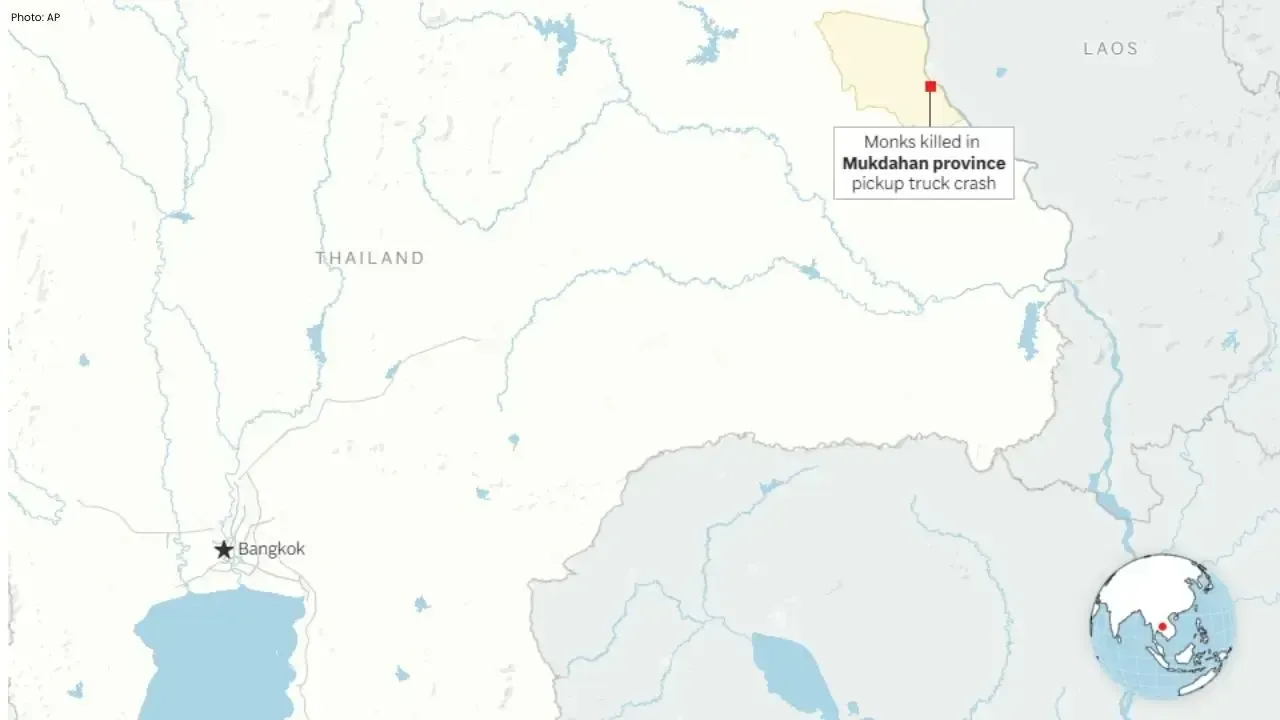
Nine Monks Killed in Thailand Pickup Truck Tragedy
An 11-year-old boy driving a pickup truck crashed into monks during a pilgrimage in northeastern Tha