You have not yet added any article to your bookmarks!
Join 10k+ people to get notified about new posts, news and tips.
Do not worry we don't spam!
Post by : Rameen Ariff
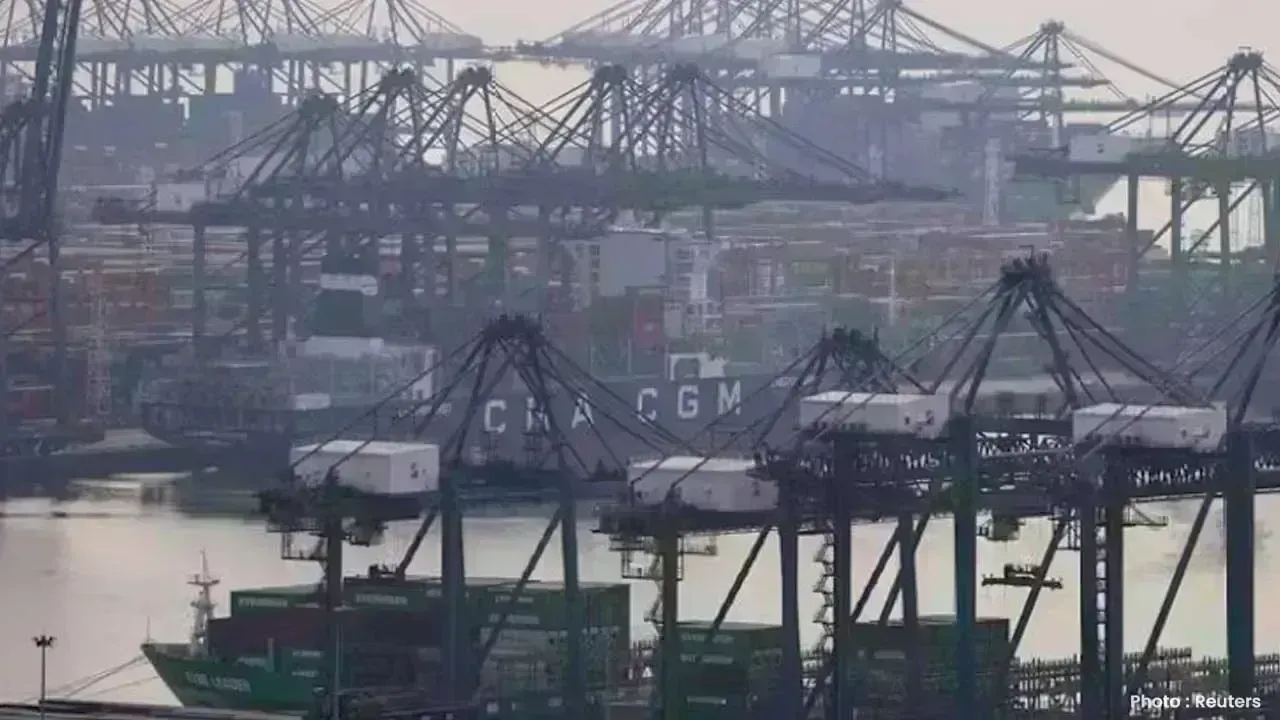
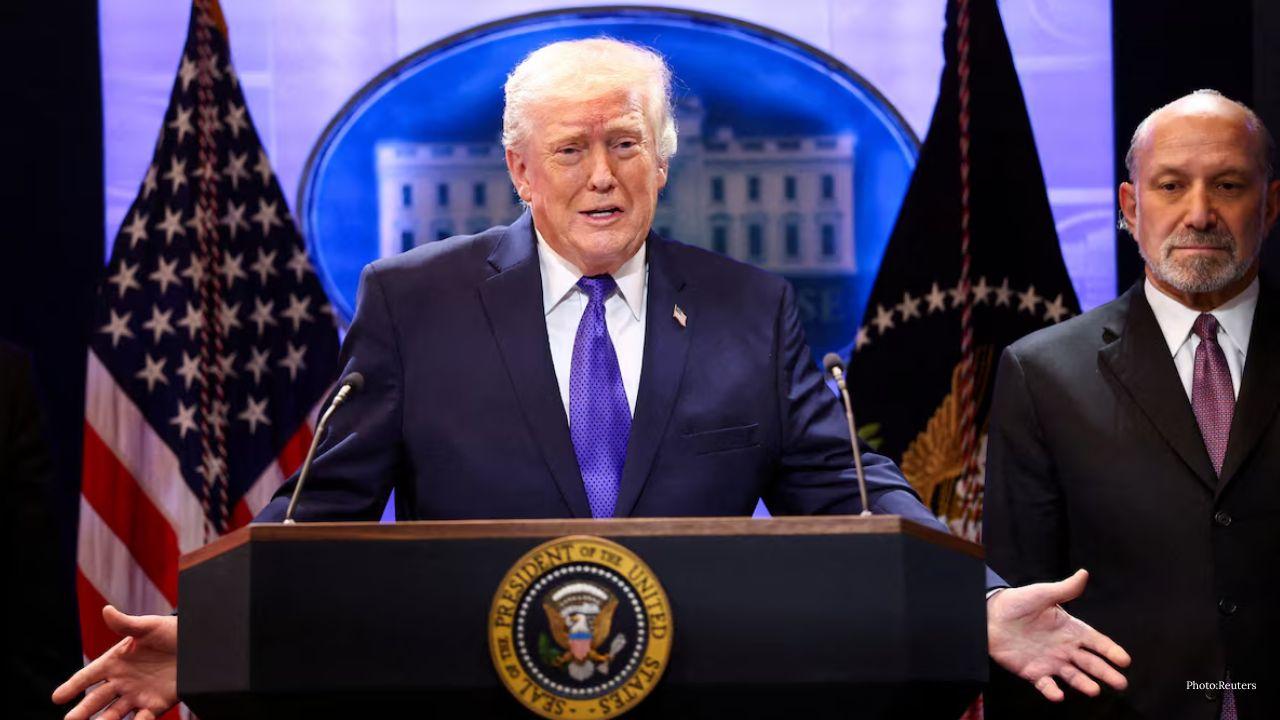
China recorded a stronger-than-expected rise in exports in November, helped by a sharp increase in shipments to non-US markets as manufacturers continue to adjust to President Donald Trump’s steep tariffs. The world’s second-largest economy has moved quickly to deepen trade links with Southeast Asia, the European Union and other major partners, while expanding global production bases to secure lower-tariff access.
Customs data released on Monday showed China’s exports growing 5.9% year-on-year, reversing a 1.1% decline in October and beating the 3.8% growth forecast in a Reuters poll. Imports rose 1.9%, slightly higher than October’s 1% increase but weaker than economists’ expectations of 3%.
Economists say the rebound highlights China’s efforts to diversify export markets at a time when the average US tariff on Chinese goods has climbed to 47.5%, well above the point where many exporters struggle to maintain profit margins.
Despite the limited progress made under the US–China truce, shipments to the United States dropped 29% year-on-year in November. The decline persisted even though the month began with announcements from Washington and Beijing about reducing select tariffs following Trump’s meeting with Chinese President Xi Jinping in South Korea on October 30.
However, exports to other major markets recorded strong gains. Shipments to the European Union rose 14.8%, while exports to Australia surged 35.8%. Southeast Asian countries also increased purchases, with imports from China growing 8.2%. This shift helped push China’s trade surplus in November to US$111.68 billion, the highest since June and well above the US$90.07 billion recorded in October.
For the first time, China’s trade surplus for the first 11 months of the year crossed US$1 trillion.
Economists say electronics and semiconductors were key drivers of November’s performance. Global shortages of low-grade chips pushed prices higher, while Chinese firms expanding overseas operations imported more machinery and essential components to support production.
China’s yuan also strengthened following the positive export data. Investors are now watching closely for policy signals from important year-end meetings. On Monday, the Politburo pledged to step up efforts to boost domestic demand—an essential shift for an economy long reliant on exports. Top officials are expected to set next year’s growth and policy priorities during the upcoming Central Economic Work Conference.
Analysts estimate that China’s reduced access to the US market since Trump returned to the White House has slowed overall export growth by around two percentage points, equal to roughly 0.3% of GDP. October’s unexpected export dip suggested that Chinese factories’ strategy of front-loading US shipments to avoid higher tariffs had already peaked.
Although Chinese manufacturers reported a slight improvement in new export orders in November, the figures remained in contraction territory, signalling ongoing uncertainty for exporters still seeking new buyers to replace the US market. A broader factory survey showed the sector contracting for the eighth consecutive month.
Meanwhile, China saw a notable 26.5% increase in rare earth exports in November—a full month after Xi and Trump agreed to fast-track shipments of these critical minerals. Soybean imports are also on track for a record year, with Chinese buyers once again purchasing heavily from the United States in addition to large orders from Latin America.
Despite stronger export numbers, domestic demand remains subdued due to the continued slump in the property sector. This was evident in lower imports of unwrought copper, a key material for construction and manufacturing.
Economists say China’s long-term goal of shifting from export-driven growth to domestic demand will take time but is essential for the next stage of the country’s economic development.






Lamborghini Catches Fire on Singapore's ECP, Causing Heavy Traffic
A Lamborghini caught fire on Singapore's ECP, causing heavy traffic and bus delays. No injuries were

Bangkok Airport Duty-Free Area Flooded by Pipe Burst
A burst water pipe flooded the duty-free shopping area at Bangkok's Suvarnabhumi Airport on July 16,

Nine Monks Killed in Thailand Pickup Truck Tragedy
An 11-year-old boy driving a pickup truck crashed into monks during a pilgrimage in northeastern Tha
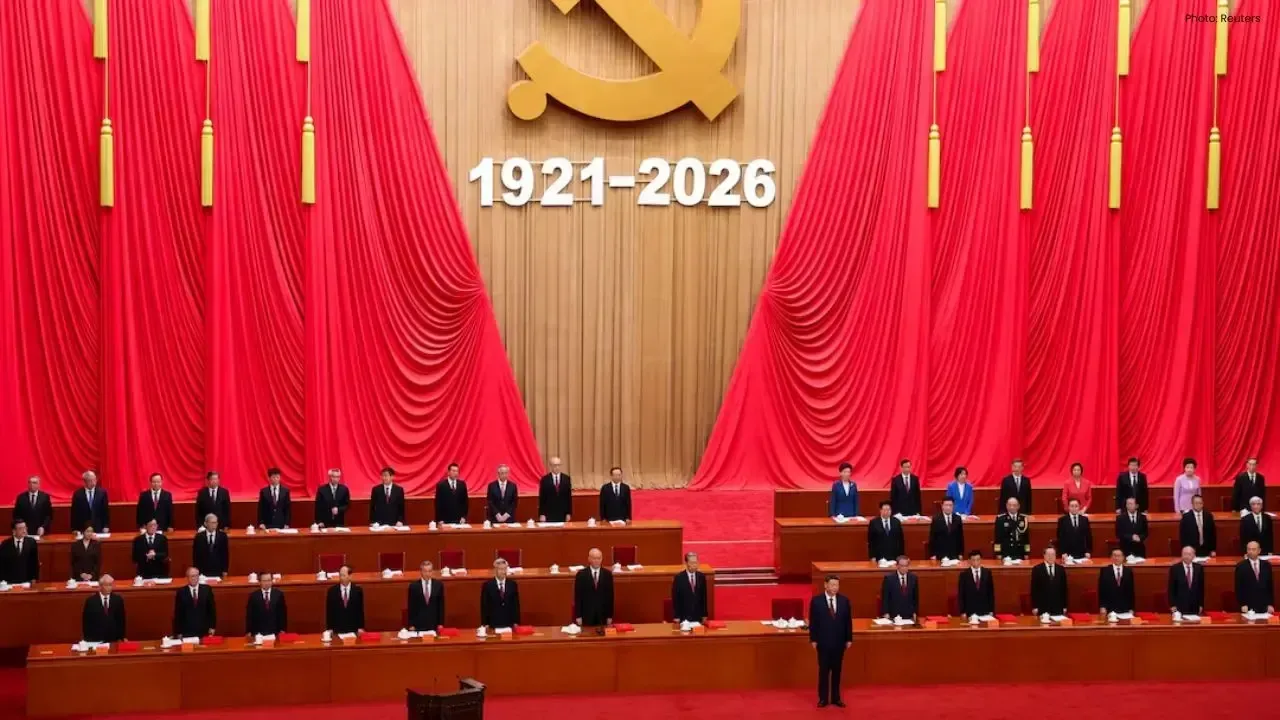
Anwar Congratulates Xi on CPC's 105th Anniversary
Malaysia reaffirms strong ties with China as PM Anwar Ibrahim sends a congratulatory letter to Presi

Thai Agriculture Team Reviews 2026 Farm Development Plans
Agriculture Ministry officials inspected livestock and organic rice projects in Nakhon Sawan to moni

Thailand, Canada Boost Ties in PM-Level Phone Talks
Thailand and Canada agreed to strengthen trade, security, OECD cooperation and ASEAN-Canada FTA talk