You have not yet added any article to your bookmarks!
Join 10k+ people to get notified about new posts, news and tips.
Do not worry we don't spam!
Post by : Samjeet Ariff
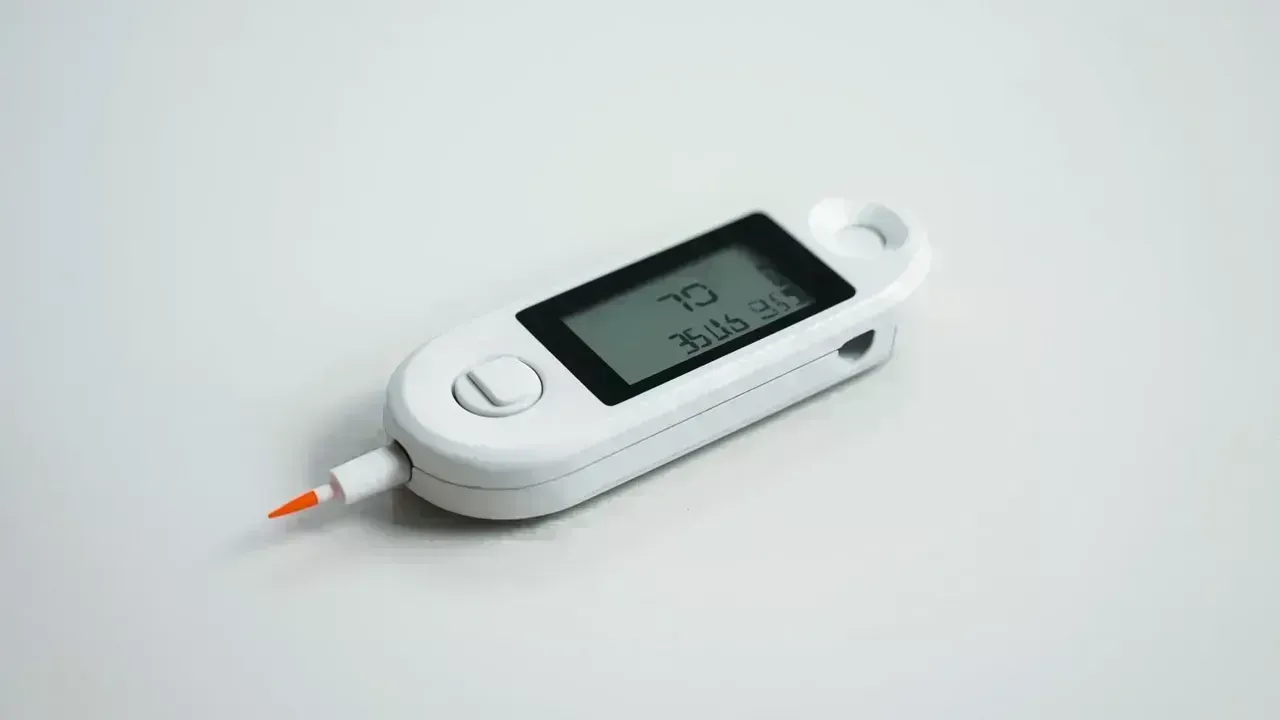
Understanding blood sugar levels is crucial for managing your health, as they determine how effectively your body processes glucose. These levels can differ by age and whether you’re fasting or have recently eaten. Recognizing these ranges can lead to early detection of prediabetes and diabetes, supporting informed long-term health decisions.
Blood sugar, or glucose levels, shows the amount of glucose in your bloodstream. Fluctuations occur throughout the day due to food, activity, stress, hormones, and sleep. Tests typically evaluate blood sugar either after fasting or post-meal to assess insulin's efficiency in handling glucose.
Fasting blood sugar levels, measured after at least 8 hours without food, indicate baseline glucose management. In contrast, post-meal blood sugar is measured two hours after eating, reflecting the body’s glucose response. Together, these figures give a clearer view of metabolic health.
The ranges below are applicable to generally healthy individuals without diabetes.
Age group: Children (under 18)
Fasting blood sugar: 70–100 mg/dL
2-hour after-meal blood sugar: below 140 mg/dL
Age group: Adults (18–59)
Fasting blood sugar: 70–99 mg/dL
2-hour after-meal blood sugar: below 140 mg/dL
Age group: Older adults (60+)
Fasting blood sugar: 80–100 mg/dL
2-hour after-meal blood sugar: below 140–150 mg/dL
For older adults, slightly elevated post-meal levels may occur due to decreased insulin sensitivity, but persistent elevations warrant medical advice.
Prediabetes indicates elevated blood sugar levels not yet meeting diabetes criteria, serving as a vital warning signal.
Fasting blood sugar: 100–125 mg/dL
2-hour after-meal blood sugar: 140–199 mg/dL
Lifestyle modifications during this phase can often halt progression.
Diabetes is marked by consistently high blood sugar levels.
Fasting blood sugar: 126 mg/dL or higher
2-hour after-meal blood sugar: 200 mg/dL or higher
Always confirm diagnoses with a healthcare provider through repeated tests or additional evaluations.
As individuals age, declines in muscle mass and insulin sensitivity can complicate glucose management. Hormonal shifts, lesser physical activity, medication effects, and chronic health issues all have a role in regulating blood sugar, particularly after meals.
Symptoms of high blood sugar include excessive thirst, increased urination, fatigue, blurred vision, and slow wound healing. Conversely, low blood sugar can manifest as dizziness, sweating, shakiness, confusion, and hunger. Subtle changes often go unnoticed; thus, regular testing is critical.
The morning before eating is the best time to measure fasting blood sugar. Two hours after meals is ideal for assessing post-food levels. Consistent testing increases accuracy and helps in tracking trends.
Refined carbohydrates cause rapid blood sugar spikes, while fiber, protein, and healthy fats help moderate absorption. Regular exercise can enhance insulin sensitivity, whereas stress and lack of sleep might elevate blood sugar, even without dietary changes.
Adults should consider blood sugar testing every one to three years, especially with a family history of diabetes, overweight conditions, or inactive lifestyles. More frequent testing is advisable for those showing symptoms or with prediabetes.
Blood sugar levels are influenced by age, timing, and overall wellness. Evaluating both fasting and after-meal readings provides comprehensive insights. Monitoring patterns rather than isolated readings can help identify early issues and promote better metabolic health.
This content is intended for educational purposes and should not substitute professional medical advice. Individual health circumstances may influence blood sugar goals. Always consult with a healthcare expert for appropriate diagnosis and treatment.









Lamborghini Catches Fire on Singapore's ECP, Causing Heavy Traffic
A Lamborghini caught fire on Singapore's ECP, causing heavy traffic and bus delays. No injuries were

Bangkok Airport Duty-Free Area Flooded by Pipe Burst
A burst water pipe flooded the duty-free shopping area at Bangkok's Suvarnabhumi Airport on July 16,
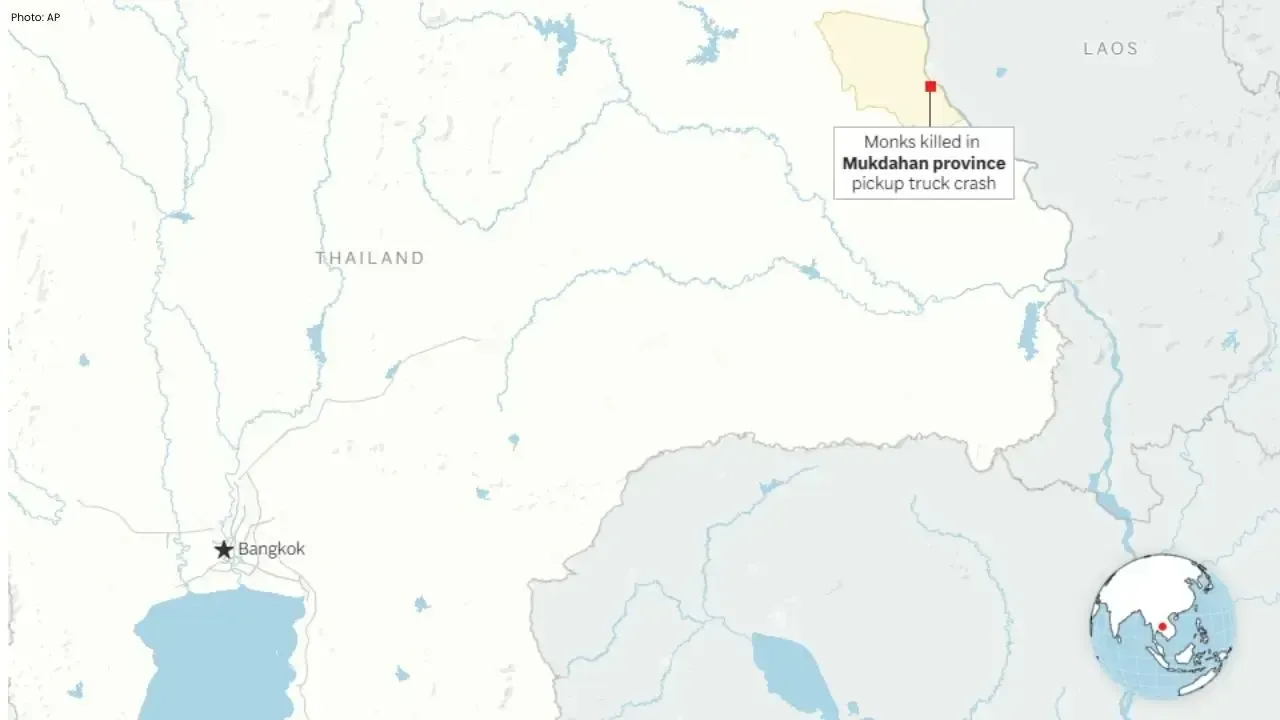
Nine Monks Killed in Thailand Pickup Truck Tragedy
An 11-year-old boy driving a pickup truck crashed into monks during a pilgrimage in northeastern Tha

Anwar Congratulates Xi on CPC's 105th Anniversary
Malaysia reaffirms strong ties with China as PM Anwar Ibrahim sends a congratulatory letter to Presi
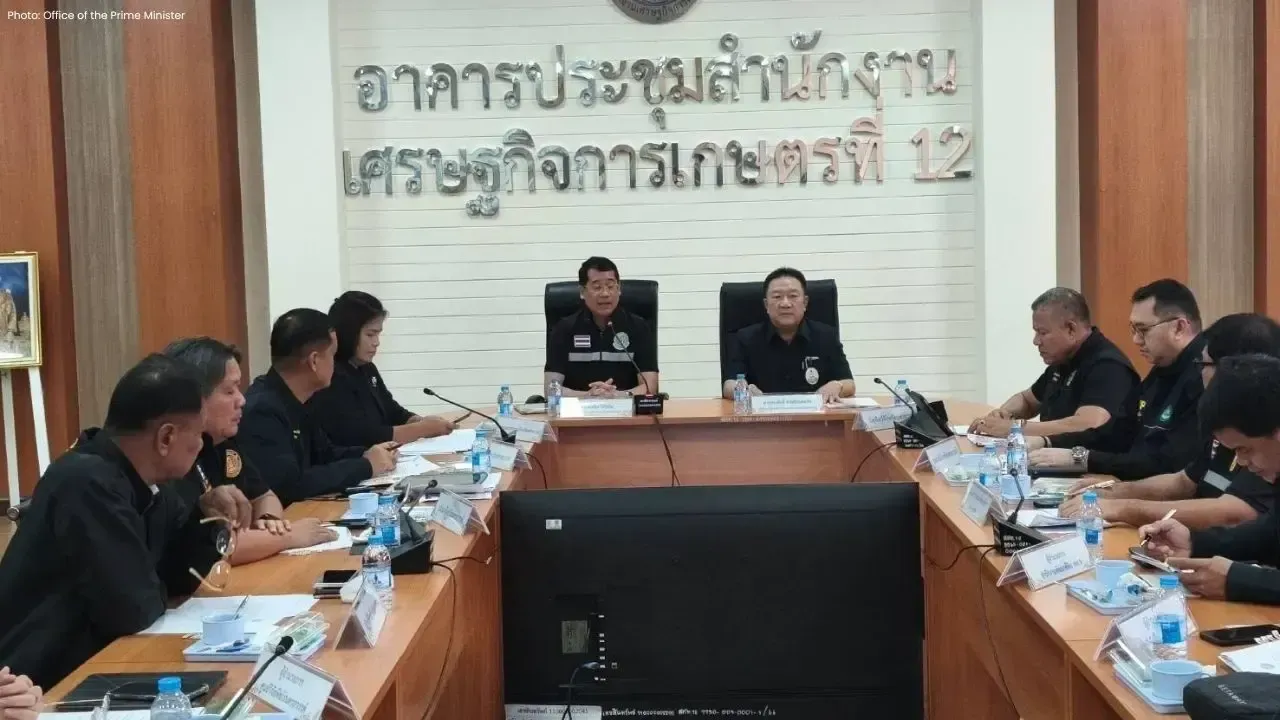
Thai Agriculture Team Reviews 2026 Farm Development Plans
Agriculture Ministry officials inspected livestock and organic rice projects in Nakhon Sawan to moni

Thailand, Canada Boost Ties in PM-Level Phone Talks
Thailand and Canada agreed to strengthen trade, security, OECD cooperation and ASEAN-Canada FTA talk