You have not yet added any article to your bookmarks!
Join 10k+ people to get notified about new posts, news and tips.
Do not worry we don't spam!

Post by : Anis Farhan
Over the past two decades, the way we handle money has transformed dramatically. The rise of digital wallets, contactless cards, QR code payments, and cryptocurrencies has reshaped how we shop, transfer funds, and even save. In many countries, especially urban and developed regions, the question is no longer whether digital payments will dominate but whether physical cash might vanish entirely. The next decade could redefine money as we know it, but is a fully cashless society truly inevitable?
The move toward cashless transactions has been driven by technological advancements, consumer convenience, and business efficiency. Countries like Sweden and South Korea have already seen physical currency usage drop to minimal levels. Mobile payment systems like Apple Pay, Google Pay, PayPal, and regional platforms such as Alipay and Paytm have made transactions quicker and more seamless than ever.
Governments also see benefits in reducing cash — it limits black-market activities, increases transparency, and enhances tax collection. Retailers appreciate lower risks of theft and easier accounting. Consumers enjoy faster checkouts and more secure ways to carry their money without the bulk of notes and coins.
The COVID-19 pandemic acted as a catalyst for cashless adoption. Concerns about virus transmission led businesses to prefer contactless payments. E-commerce saw exponential growth, and physical cash withdrawals dropped in many countries. In some regions, cash usage plummeted by more than 50% in just a year, creating a momentum that continues today.
Despite the growing dominance of digital payments, several reasons suggest that cash might never completely vanish.
Digital Divide – Not everyone has access to smartphones, banking facilities, or reliable internet connections. In rural areas and developing nations, cash remains essential.
Privacy Concerns – Cash offers anonymity, which digital transactions cannot match. Some people prefer the privacy of cash over traceable payments.
Economic Inclusion – Elderly populations, small informal businesses, and low-income households often rely heavily on cash.
Backup in Crises – During natural disasters, cyberattacks, or system outages, cash can be a critical fallback when digital networks fail.
Several nations are at the forefront of this transformation.
Sweden: Over 80% of transactions are cashless, and many stores no longer accept physical currency.
China: Mobile payment platforms like WeChat Pay and Alipay dominate daily life.
South Korea: The government is actively promoting a cash-free society.
The Netherlands & Norway: High adoption of digital banking and payments has drastically reduced cash use.
Meanwhile, countries like Germany and Japan still maintain strong cash cultures due to trust in tangible money and concerns over privacy.
Digital currencies like Bitcoin and Ethereum, along with central bank digital currencies (CBDCs), are playing an increasingly important role in shaping the future of money. CBDCs, in particular, could replace traditional notes by offering a government-backed, secure, and fully digital alternative to cash. China’s e-CNY and pilot projects in the EU and Caribbean are already paving the way.
While the convenience of a cashless society is undeniable, it comes with potential drawbacks:
Cybersecurity Threats: A fully digital financial system becomes an attractive target for hackers.
Financial Surveillance: Without cash, every transaction is recorded, raising concerns about privacy and government overreach.
Exclusion of Vulnerable Groups: Those without access to digital tools may be left behind economically.
Overdependence on Technology: System failures or power outages could halt entire economies.
For businesses, going cashless can mean efficiency, reduced risk of theft, and better data collection on consumer behavior. For consumers, it can mean convenience, speed, and integration with loyalty programs. However, both sides face the challenge of adapting to new technologies and ensuring accessibility for all.
Most experts believe the next decade will see a hybrid model rather than a total cash elimination. Cash usage may decline drastically in urban centers but remain vital in rural, developing, and crisis-prone areas. Governments may promote digital currencies but still keep paper money as a backup system.
The next ten years will undoubtedly bring significant changes to how we transact. While a completely cashless world is theoretically possible, practical realities suggest that cash will likely survive — albeit in a much smaller role. The real challenge lies in balancing technological innovation with inclusivity, privacy, and security.
This article is for informational purposes only and does not provide financial, investment, or legal advice. Readers should conduct their own research or consult with professionals before making decisions based on the information presented.







Lamborghini Catches Fire on Singapore's ECP, Causing Heavy Traffic
A Lamborghini caught fire on Singapore's ECP, causing heavy traffic and bus delays. No injuries were

Bangkok Airport Duty-Free Area Flooded by Pipe Burst
A burst water pipe flooded the duty-free shopping area at Bangkok's Suvarnabhumi Airport on July 16,
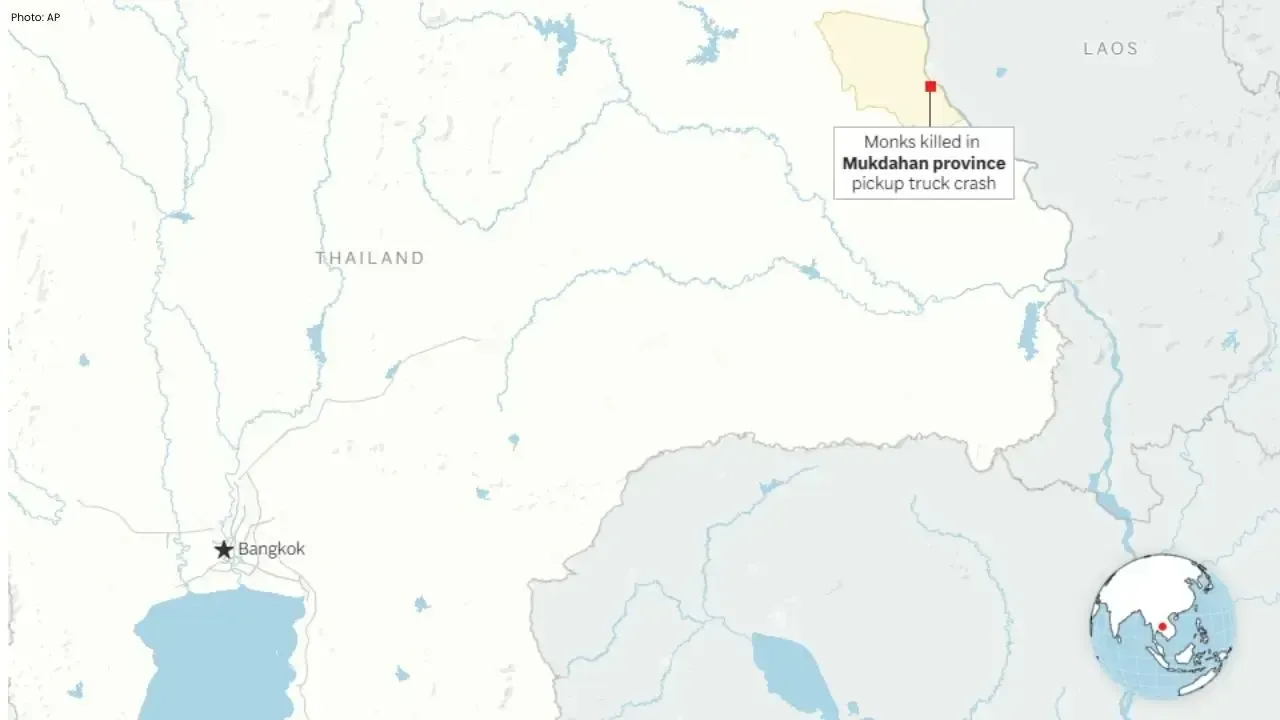
Nine Monks Killed in Thailand Pickup Truck Tragedy
An 11-year-old boy driving a pickup truck crashed into monks during a pilgrimage in northeastern Tha
Anwar Congratulates Xi on CPC's 105th Anniversary
Malaysia reaffirms strong ties with China as PM Anwar Ibrahim sends a congratulatory letter to Presi

Thai Agriculture Team Reviews 2026 Farm Development Plans
Agriculture Ministry officials inspected livestock and organic rice projects in Nakhon Sawan to moni

Thailand, Canada Boost Ties in PM-Level Phone Talks
Thailand and Canada agreed to strengthen trade, security, OECD cooperation and ASEAN-Canada FTA talk