You have not yet added any article to your bookmarks!
Join 10k+ people to get notified about new posts, news and tips.
Do not worry we don't spam!
Post by : Saif Rahman
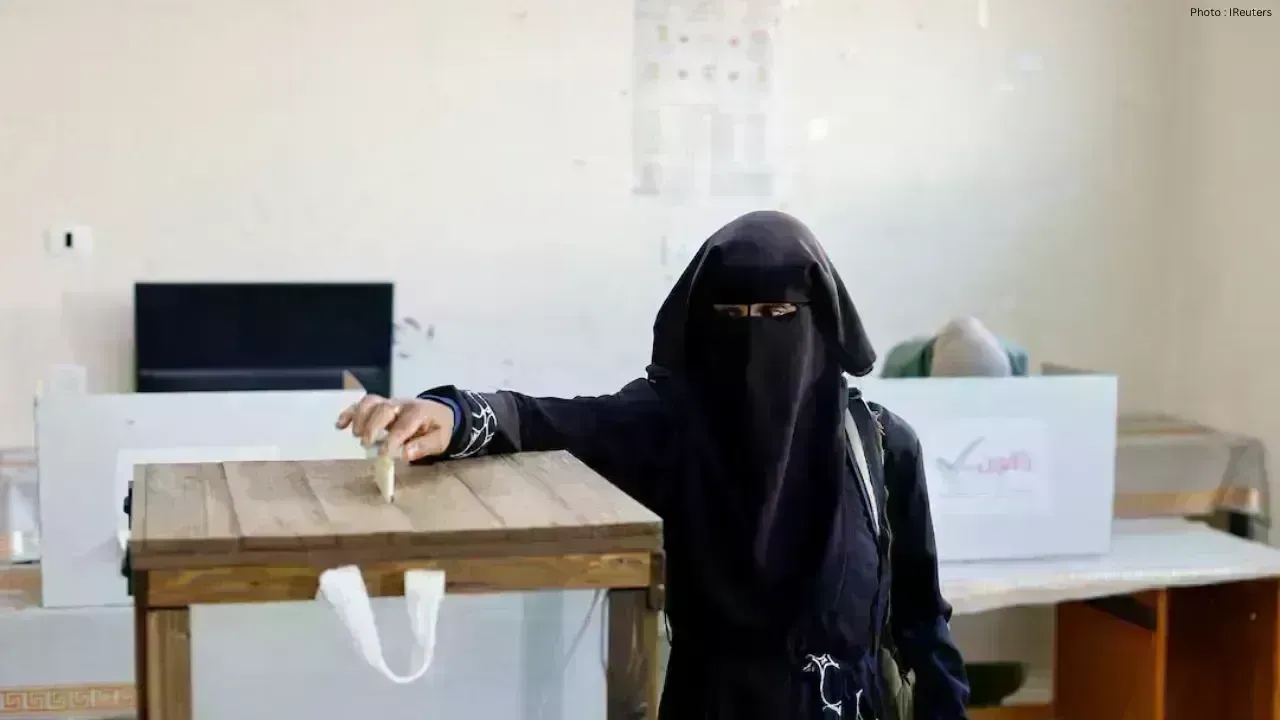
In a significant development, residents of the Gaza Strip are participating in local elections for the first time in nearly two decades. This voting event is seen as a crucial step forward despite the persistent challenges of conflict, political upheaval, and economic distress in the region.
This round of local elections allows Gazans the opportunity to elect their municipal leaders, focusing on essential governance rather than national matters. Municipal authorities play a key role in managing crucial services such as waste disposal, water, and road maintenance, especially important given the infrastructure damage from decades of conflict.
However, the election process is fraught with complications. The enduring split between the Palestinian Authority in the West Bank and Hamas in Gaza has hindered efforts to conduct comprehensive and equitable elections. While Hamas officially abstained from these elections, connections between some candidates and the group have raised questions.
Timing is also pivotal, as these elections come on the heels of a prolonged war that erupted in 2023, leaving much of Gaza in ruins and affecting displaced populations. The logistical setup of polling stations required careful planning, sometimes necessitating temporary venues to facilitate voter participation.
Despite various setbacks, over one million citizens were eligible to vote, marking this election as not merely a local leadership decision but a critical expression of agency after years of political silence.
Nonetheless, voter engagement and public trust are pressing issues. Many individuals express dissatisfaction with existing political leadership and stagnant conditions. Certain locales experienced limited competition, with only one faction fielding candidates, diminishing voter options.
The elections are drawing keen interest from international stakeholders, who view them as a potential catalyst for broader political reforms that could pave the way for legislative or presidential elections in the future. However, this trajectory requires a foundation of political synergy and stability.
The scenario illustrates a wider dilemma in Palestinian governance, where a lack of regular elections has fostered disconnection between citizens and their representatives. Restoring trust will demand prolonged and dedicated efforts.
Amidst all challenges, these elections hold significant symbolism, reaffirming that democratic procedures can exist even under severe conditions. For many in Gaza, the opportunity to vote represents a reclaiming of their voice and agency.
Looking ahead remains challenging, with political rifts, security threats, and economic issues still deeply impacting daily life. Yet, these elections may be a fundamental step toward revitalizing governance and enhancing citizen representation in shaping their future.







APEC Members Emphasise Safe and Responsible Use of Artificial Intelligence
APEC members discuss responsible AI use, digital innovation and data governance as China and the US

Union of European Clubs Challenge UEFA and EFC Over EU Competition Rules
UEC files an EU competition complaint against UEFA and EFC, challenging club representation, governa

Mohammed Shami Retires From Test Cricket, Eyes White-Ball Career
Mohammed Shami retires from Test cricket after 13 years, with 229 wickets. He will continue playing

Singapore Warns Users About Privacy and Security Risks of AI Agents
Singapore warns users about AI agent security risks, data privacy, online scams and unauthorised acc

Chris Lynn Completes One-Month Ban After Positive Cocaine Test
Australian cricketer Chris Lynn completes a one-month ban after a positive cocaine test during the T

Djokovic Eyes Strong Season Finish as Health Improves Ahead of Paris Masters
Novak Djokovic reports improved health and performance as he targets a strong Paris Masters finish a