You have not yet added any article to your bookmarks!
Join 10k+ people to get notified about new posts, news and tips.
Do not worry we don't spam!
Post by : Anis Farhan
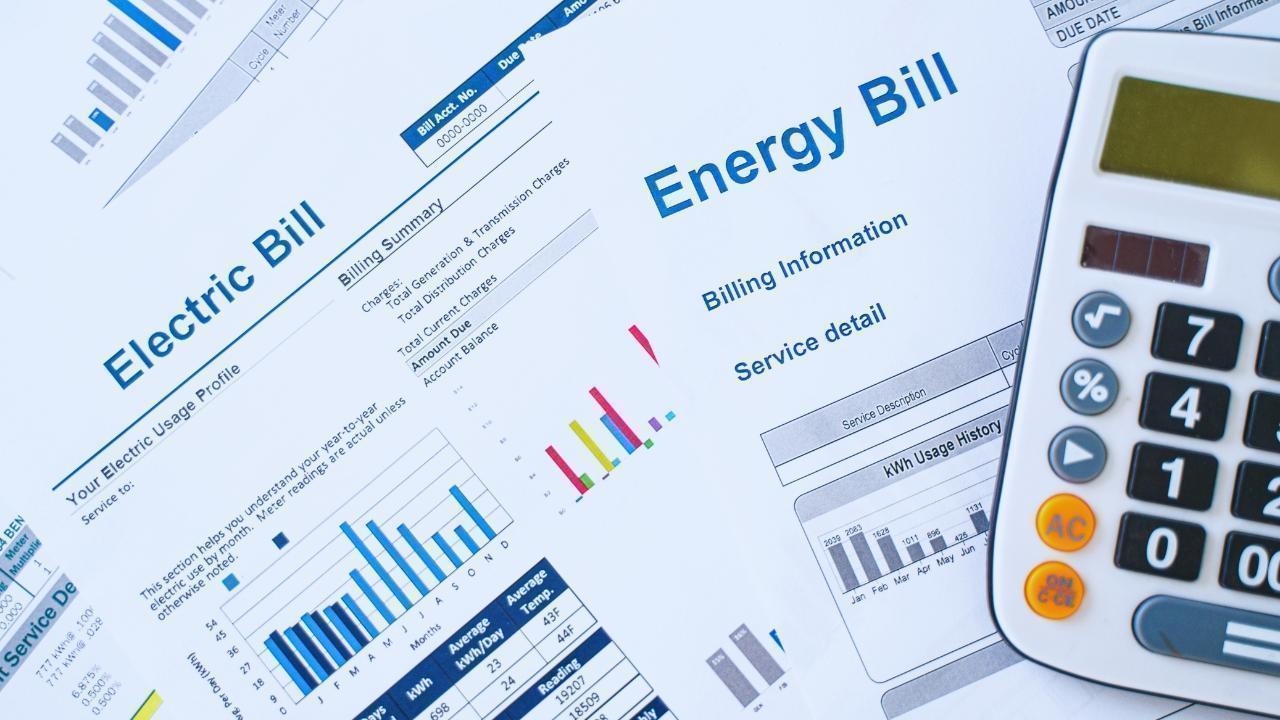
It’s the one monthly expense that always seems to creep up—your electricity bill. But 2025 is quietly rewriting that narrative. Across Asia, and especially in growing urban and suburban pockets, households are beginning to notice something unusual: their electricity bills are shrinking. Not by a dramatic amount, but by enough to raise eyebrows—and curiosity.
At the heart of this trend lies a confluence of smart technology, greener energy sourcing, decentralized grid systems, and improved efficiency across appliances. For middle-income families, students, elderly citizens, and working professionals alike, the potential of lowered electricity bills isn’t just a financial relief—it’s a sign of systemic change. The real question now is: how did this happen, and is it here to stay?
One of the biggest forces behind this transformation is the accelerated adoption of renewable energy sources. In countries like Malaysia, Thailand, Vietnam, and parts of India, solar and wind energy are no longer the fringe players—they’re starting to power entire neighborhoods.
As grid operators tap into cheaper, locally sourced renewable energy, the cost of producing electricity has begun to decrease. Earlier, conventional grids would rely heavily on imported coal or gas, which kept tariffs high. But solar parks and wind farms within national borders now allow governments and providers to lower consumer-facing rates without incurring long-term losses.
Even private players are entering the game. In urban housing societies across Kuala Lumpur and suburban regions of Pune and Hyderabad, rooftop solar panels—installed through shared investment models—are now feeding excess power back into the grid. Residents either get discounted bills or pay a fraction of what they used to. The age of power prosumers—those who both consume and produce energy—is no longer hypothetical.
Meanwhile, inside our homes, a quiet appliance revolution is underway. Today’s air conditioners, refrigerators, and washing machines are designed to consume significantly less electricity than older models. Energy Star-rated products, inverter-based motors, and intelligent standby modes mean less energy drain without sacrificing comfort.
Also, the rising popularity of smart plugs and energy monitoring apps allows families to track how much each appliance consumes—making wasteful habits more visible and easier to change. As users gain control, many have learned how to reduce their own bills by 10–20% just by shifting usage patterns—running washing machines during off-peak hours or setting ACs to 26°C instead of 22°C.
This behavioral change, combined with efficient tech, plays a huge role in lowering monthly electricity usage even before price changes kick in.
Traditional electricity grids are notoriously inefficient. They lose significant power in transmission and struggle with demand forecasting, often causing overproduction or blackouts. But in 2025, countries are upgrading their systems into “smart grids”—digitally monitored, sensor-equipped, AI-managed electricity distribution networks that can redirect power intelligently and reduce losses.
In Vietnam, state utilities have begun using predictive algorithms to manage electricity demand based on weather forecasts, historical usage, and consumer data. In Singapore and parts of Indonesia, smart meters in homes give real-time data to both the provider and the user, allowing quick fixes in case of anomalies or spikes.
This level of precision means utilities can avoid overspending and waste—and pass the savings on to customers.
Governments, too, are stepping in—not just as regulators, but as active drivers of energy affordability. Countries like the Philippines and Thailand have introduced subsidies for low-income homes installing energy-efficient appliances. India has revived its "Ujala" scheme under a new name, offering high-efficiency LED bulbs and fans at subsidized rates.
More importantly, new regulations have encouraged a time-of-day billing model, where electricity during off-peak hours (like midnight to early morning) is significantly cheaper than during the evening rush. This allows families to run heavy-load appliances at night and save up to 30% on overall usage costs.
Even fossil-fuel reliant states are introducing tariff caps for small homes, ensuring that no family pays more than a certain threshold regardless of market price fluctuations. These micro-reforms are making a macro impact.
While the trend is real, it isn’t evenly spread. Households in urban and semi-urban areas with stable infrastructure and access to modern appliances are seeing the biggest gains. For example:
A middle-income family in Bangalore reported a 15% drop in their bill after switching to an inverter fridge and replacing all bulbs with LEDs.
A two-person home in Bangkok saw a 22% saving after installing a rooftop solar setup on a shared apartment block.
In Ho Chi Minh City, a household that participated in a smart meter pilot program saw monthly bills fall by nearly 18%.
However, rural areas and informal settlements are still struggling with irregular power supply, poor appliances, and limited policy reach. Bridging this gap will be essential to truly democratize electricity savings.
Interestingly, the narrative around electricity has shifted, too. Once considered an unavoidable utility expense, it is now seen as something people can control—both in usage and production. This consumer empowerment is perhaps the biggest victory of the energy revolution.
Digital dashboards, smart billing, and alerts allow families to gamify their energy usage—trying to beat last month’s bill, reduce peak-time dependency, or participate in grid-support programs. The result? People think twice before turning on a geyser or leaving lights on all night.
This change in mindset is just as valuable as any policy or subsidy.
It’s not just households—small businesses and street vendors are part of the story too. In markets across Johor Bahru and Surat, food stalls and repair shops are switching to rechargeable LED lights and fans. Tailors and phone recharge outlets are installing 500W solar panels on rooftops. For them, saving ₹1,000–₹2,000 a month in electricity is the difference between a break-even and a profitable month.
Mobile vendors, particularly in Southeast Asia, have also begun using battery-powered cooking units and lighting. These setups not only reduce bills but also make them independent from unreliable power supplies in public spaces.
Looking ahead, the trend seems sustainable. With the cost of solar panels and lithium batteries dropping annually, and with AI-driven energy tools becoming standard, the foundation is being laid for permanently lower utility bills—especially in the middle-income segment.
Expect to see more net-metered homes (where users sell back unused energy to the grid), AI tools that auto-regulate home appliances based on power tariffs, and collective grid-sharing in housing societies or neighborhoods.
Smart cities are also investing in district energy systems—centralized heating, cooling, and electricity for entire blocks—which could slash residential energy costs further.
The silent dip in monthly electricity bills is more than just a pleasant surprise. It’s the result of years of innovation, policy experimentation, and public participation. It reflects how technology, when made accessible and affordable, can transform everyday lives.
For the average consumer, this change offers more than savings—it offers choice, empowerment, and a cleaner future. And in a time when most costs are rising, electricity showing a reverse trend is perhaps the good news we didn’t know we needed.
This article is based on ongoing energy trends, policy shifts, and publicly available industry observations as of 2025. Electricity costs and impacts may vary based on location, provider, household usage, and appliance efficiency. Always consult your local utility board for exact details.








Lamborghini Catches Fire on Singapore's ECP, Causing Heavy Traffic
A Lamborghini caught fire on Singapore's ECP, causing heavy traffic and bus delays. No injuries were

Bangkok Airport Duty-Free Area Flooded by Pipe Burst
A burst water pipe flooded the duty-free shopping area at Bangkok's Suvarnabhumi Airport on July 16,

Nine Monks Killed in Thailand Pickup Truck Tragedy
An 11-year-old boy driving a pickup truck crashed into monks during a pilgrimage in northeastern Tha
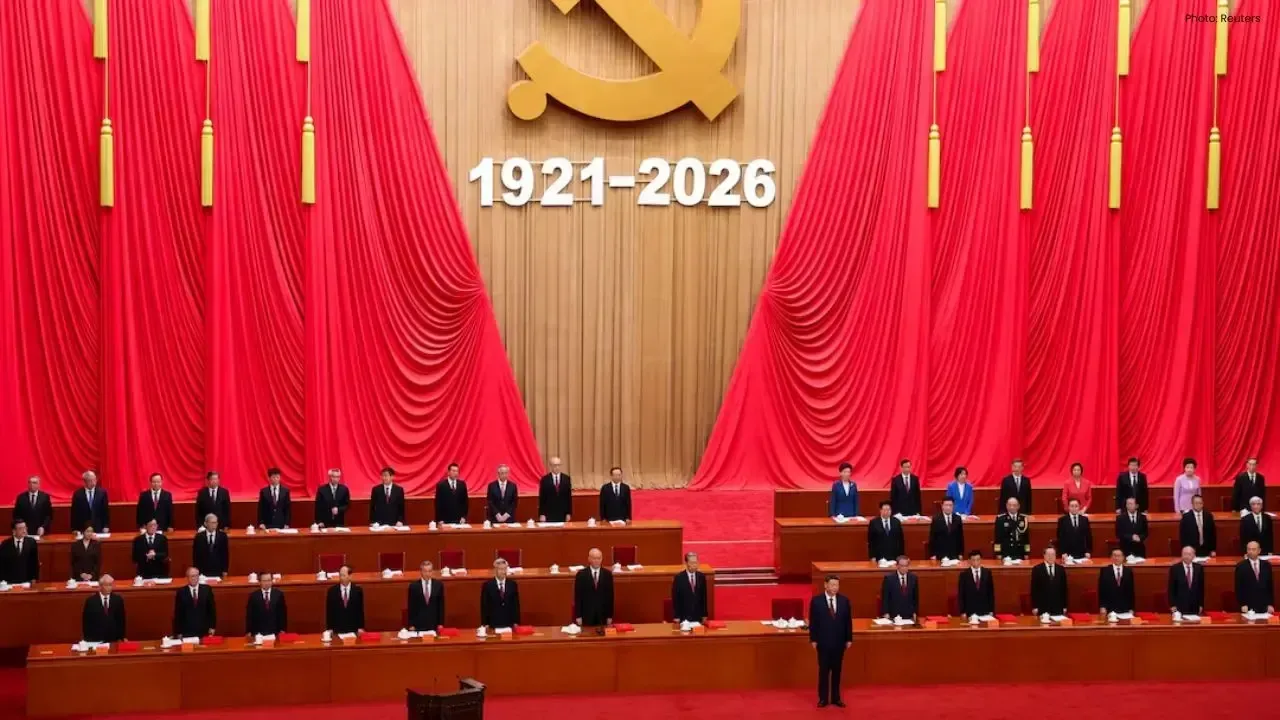
Anwar Congratulates Xi on CPC's 105th Anniversary
Malaysia reaffirms strong ties with China as PM Anwar Ibrahim sends a congratulatory letter to Presi

Thai Agriculture Team Reviews 2026 Farm Development Plans
Agriculture Ministry officials inspected livestock and organic rice projects in Nakhon Sawan to moni

Thailand, Canada Boost Ties in PM-Level Phone Talks
Thailand and Canada agreed to strengthen trade, security, OECD cooperation and ASEAN-Canada FTA talk