You have not yet added any article to your bookmarks!
Join 10k+ people to get notified about new posts, news and tips.
Do not worry we don't spam!
Post by : Anis Farhan
In a world constantly buzzing with notifications, meetings, and digital noise, meditation has long been recommended as an antidote to modern chaos. But for many, the act of sitting still in silence remains elusive, even intimidating. Enter a quieter revolution: walking as meditation. In 2025, people across generations, lifestyles, and professions are discovering that putting one foot in front of the other—deliberately and mindfully—can deliver many of the same benefits as traditional seated meditation.
Whether it’s a quiet stroll in the park, a purposeful trek through mountain trails, or simply walking in circles in your living room, this accessible practice is gaining ground as a low-pressure, movement-based form of mindfulness. It requires no cushion, no mantras, and no apps—just attention, breath, and steps.
Studies over the past few years have shown that walking activates brain functions associated with memory, creativity, and emotional regulation. According to neurologists, the gentle rhythmic motion of walking supports bilateral brain activity—synchronizing the two hemispheres—resulting in improved mental clarity.
Furthermore, walking outdoors has been found to reduce cortisol levels, the body’s primary stress hormone, more effectively than many static stress-relief techniques. The blend of physical movement, fresh air, and natural scenery triggers a positive cascade in the nervous system: reducing anxiety, regulating heart rate, and balancing blood pressure.
While it may sound like a new wellness trend, walking meditation is an ancient practice, rooted deeply in Buddhist traditions. Monks have long practiced "kinhin," a form of mindful walking, between long seated meditation sessions. Today, people are reviving and adapting this idea into urban environments and daily routines, removing the spiritual formalities and making it work for everyday life.
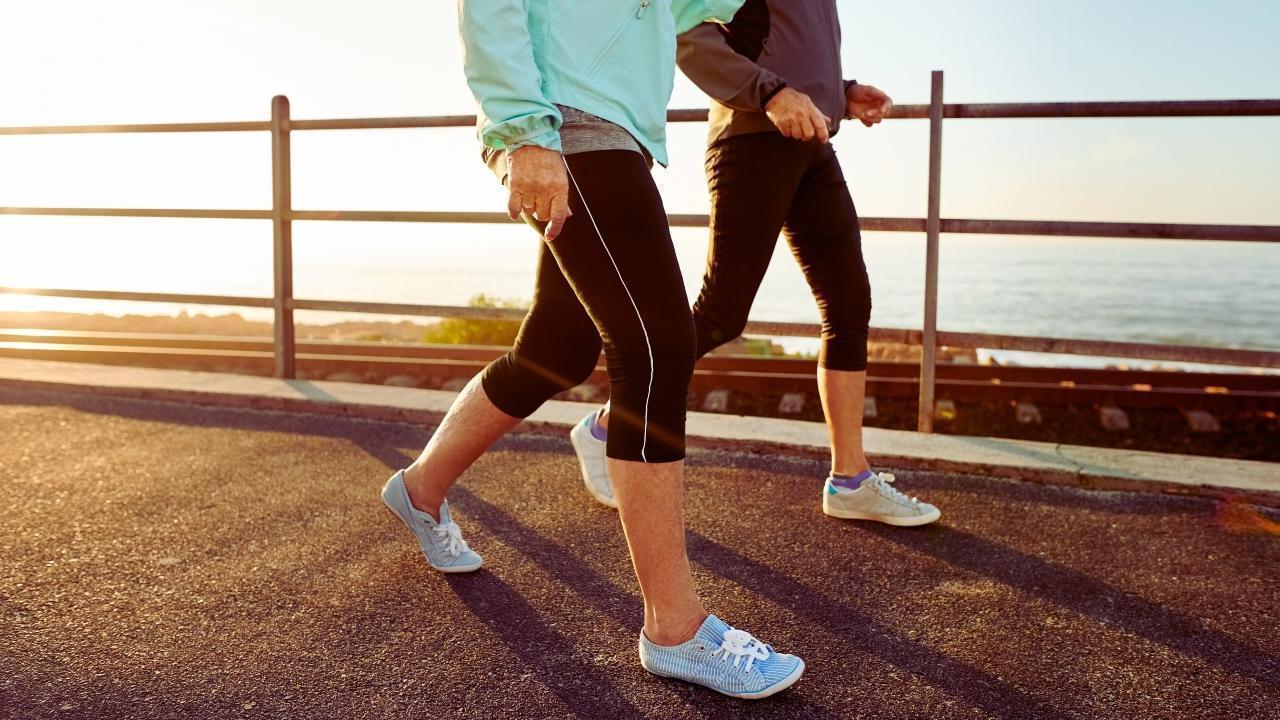
In modern terms, walking meditation is defined as walking with intentional awareness, focusing not just on moving, but noticing how your body moves, how your feet feel, how the wind touches your skin, and how each breath aligns with every step. It’s a practice of observation—of self and surroundings—without judgment.
As people battle rising screen time, chronic sitting, and attention fatigue, walking provides a multi-sensory experience that re-engages the physical body and calms the overactive mind. Unlike seated meditation, which can be mentally challenging for beginners, walking meditation offers an easy entry point into mindfulness.
Here’s why it’s resonating now more than ever:
Accessibility: No gym membership, fancy gear, or special location needed. Walk around your block or even inside your home.
Mental engagement: It keeps your mind engaged through motion, making it easier to stay focused.
Freedom from judgment: You’re not “failing” if your mind wanders; you just gently return to the rhythm of your steps.
Physical benefits: You also gain cardiovascular and musculoskeletal perks.
Time efficiency: You can integrate it into daily tasks—walking your dog, commuting on foot, or even pacing while on a call.
One method gaining popularity in 2025 is the 5-4-3-2-1 sensory walking practice. It involves grounding yourself through your senses as you walk:
5 things you can see
4 things you can feel
3 things you can hear
2 things you can smell
1 thing you can taste or be grateful for
This mindfulness technique turns a simple walk into a full-body reset.
Across global cities, local wellness initiatives are beginning to include guided walking meditations in public parks and green corridors. In Japan and Korea, the practice of “forest bathing” (Shinrin-yoku) is now often combined with slow, mindful walking, allowing city dwellers to detox mentally without leaving urban borders.
In 2025, even office culture is catching up. Companies are encouraging “walk-and-talk” meetings instead of traditional boardroom huddles, citing the dual benefit of clarity and creativity. Schools and universities are integrating walking meditations into curriculum breaks, helping students reset their minds before exams or intense lectures.
One of the most effective aspects of walking meditation is the digital boundary it naturally creates. The act of walking alone can be an opportunity to unplug—literally.
Experts suggest:
Leaving your phone behind, or keeping it on airplane mode
Turning off notifications if using a step-tracking app
Not listening to music or podcasts—just your breath and environment
In a world where being constantly “on” has become the norm, a walk in silence is increasingly being seen as a radical act of self-preservation.
Therapists and psychiatrists are also embracing walking as a therapeutic tool. In some parts of Europe and North America, walk-and-talk therapy sessions are replacing office-based counseling. Clients often report feeling more open, less intimidated, and more energized when processing emotions in motion.
Psychologists confirm that walking helps release stuck emotions, while also facilitating better cognitive flexibility—useful when addressing anxiety, depression, or decision paralysis.
From burnout-ridden executives to full-time caregivers and teenagers struggling with screen addiction, walking meditation has emerged as a transformative daily ritual.
A writer in Dublin credits daily mindful walks for curing a decade-long creative block.
A single mother in Manila says her 20-minute morning walk is her only real “me time.”
A tech entrepreneur in Silicon Valley now begins every product meeting with a 5-minute awareness walk around the campus lawn.
These stories aren’t rare. In 2025, walking is not just something we do to get from A to B—it’s how people are finding their way back to themselves.
If you're curious about starting, here are a few steps to ease into it:
Start small: 10 minutes a day is enough.
Choose your pace: It doesn’t have to be slow; the point is awareness.
Focus on one sense: Your feet hitting the ground, your breath, or the wind.
Don’t aim for silence: Let sounds come and go. Acknowledge them and return to your focus.
Consistency over perfection: Walk every day, even briefly, without judging your “performance.”
As artificial intelligence and automation take over more spaces in our lives, the simple act of walking—aware, deliberate, present—feels almost rebellious. It reminds us that despite all the tech around us, we are still biological beings built to move, breathe, and feel the world beneath our feet.
So in 2025, if meditation feels out of reach, start walking. You may just find your calm in every step.
This article is intended for informational and editorial purposes only. The content explores general wellness trends and practices associated with walking meditation as of 2025. It does not substitute professional medical, psychological, or therapeutic advice. Readers are encouraged to consult healthcare professionals before making significant changes to their mental health or physical activity routines.










Lamborghini Catches Fire on Singapore's ECP, Causing Heavy Traffic
A Lamborghini caught fire on Singapore's ECP, causing heavy traffic and bus delays. No injuries were

Bangkok Airport Duty-Free Area Flooded by Pipe Burst
A burst water pipe flooded the duty-free shopping area at Bangkok's Suvarnabhumi Airport on July 16,

Nine Monks Killed in Thailand Pickup Truck Tragedy
An 11-year-old boy driving a pickup truck crashed into monks during a pilgrimage in northeastern Tha

Anwar Congratulates Xi on CPC's 105th Anniversary
Malaysia reaffirms strong ties with China as PM Anwar Ibrahim sends a congratulatory letter to Presi

Thai Agriculture Team Reviews 2026 Farm Development Plans
Agriculture Ministry officials inspected livestock and organic rice projects in Nakhon Sawan to moni

Thailand, Canada Boost Ties in PM-Level Phone Talks
Thailand and Canada agreed to strengthen trade, security, OECD cooperation and ASEAN-Canada FTA talk