You have not yet added any article to your bookmarks!
Join 10k+ people to get notified about new posts, news and tips.
Do not worry we don't spam!

Post by : Anis Farhan
It sounds almost trivial—just a short stroll after eating. Yet this tiny habit packs a surprising punch when it comes to health. Across cultures and generations, people have instinctively reached for a walk after meals, and modern research is now validating that wisdom. A post-meal walk of just five minutes can help your body process food more efficiently, stabilize blood sugar levels, and provide an overall mood lift. For busy professionals and homemakers alike, it’s a health hack worth walking for.
One of the most immediate benefits of walking after food is better digestion. Gentle movement encourages blood flow to the digestive tract, stimulates peristalsis (the muscle contractions that move food through your system), and helps release trapped air—reducing gas and bloating. Instead of staying seated and feeling heavy, a brief walk helps food move along more smoothly. It’s simple, yet effective relief for discomfort after heavy or oily meals.
Rapid spikes in blood sugar after meals can lead to energy crashes, sugar cravings, and over time, insulin resistance. A short post-meal walk helps muscles use up glucose in your bloodstream, smoothing those peaks. Studies show that walking just five minutes after eating lowers blood sugar more effectively than exercising before meals or waiting an hour later. For people managing prediabetes or type 2 diabetes, this habit becomes easier—and more powerful—than most intensive workout routines.
Weight loss often feels overwhelming—hours at the gym, strict dieting, calorie counting. Yet research shows that post-meal walking lengthens the body’s active metabolic window without requiring additional calorie restriction. Over time, these walks burn extra energy and reduce fat storage. The cumulative impact of multiple short walks—after breakfast, lunch, and dinner—can make a noticeable difference in gradual, sustainable weight management.
Unlike many fitness trends, a post-meal walk doesn’t require special gear, gym access, or strict scheduling. You can walk around your office block, stroll in your backyard, or even pace gently around your apartment complex. No fancy clothes or shoes needed—just a little movement. For parents, students, shift workers, or remote professionals, it fits seamlessly into any routine. It only takes five minutes—and your body thanks you.
Moving after meals does more than aid digestion. It reduces stress, calms your restlessness, and helps shake off post-meal drowsiness. Physical movement encourages the release of endorphins—your body’s natural uplift. A short walk also gives your nervous system a break after eating, helping avoid that lazy blur many people feel. That mental reset can improve focus, mood, and alertness—perfect for tackling work or chores after lunch or dinner.
Many struggle with nighttime acid reflux or discomfort after dinner, disrupting sleep. A gentle walk helps food move before laying down, reducing evening indigestion. This avoids acid creeping up from the stomach and helps ensure deeper, more restful sleep. Over time, people notice fewer mid-night awakenings, better sleep onset, and waking up with more energy.
Set reminders on your phone or wearable device for ten minutes after meals.
Walk around your house or building if weather or time is limited.
Use gentle pace, chatting or listening to music—not power walking.
Incorporate it socially—invite coworkers or family members to join you.
Track it—a simple calendar or app can help reinforce consistency.
This is not cardio or vigorous exercise. The goal is gentle motion, not sweating or breathlessness. You won’t burn hundreds of calories in five minutes—but you help your body digest better. Improvements often arrive gradually—less bloating, smoother digestion, more stable energy, better mood. If you have heart conditions, joint issues, or mobility limits, check with a doctor first. Otherwise, most people can start this habit immediately—no special permission needed.
People of many cultures have long understood that food and movement should go hand in hand. In Mediterranean countries, locals often walk after meals—even in cold weather. Many South Asian routines include sunset strolls after dinner. In certain East Asian traditions, a slow walk after eating is considered vital for balance and recovery. Modern science is now catching up—and validating what generations quietly practiced: that a small march after meals matters more than most realize.
A post-meal walk works best when paired with mindful eating. Paying attention to how food feels, chewing slowly, avoiding overeating, and sensing fullness naturally enhance how the walk supports digestion. By listening to hunger and satiety signals, your body processes food more comfortably. Eating slowly and walking shortly after together improve overall gut comfort and enjoyment of meals.
Millions have made this a habit—and quietly, the feedback is consistent: better energy, fewer bloated days, improved digestion, and easier weight control. A schoolteacher in Kuala Lumpur reported that a short post-lunch walk cleared her fog, helping her teach energetically through the afternoon. An accountant in Jakarta said walking after every meal helped with stubborn belly fat. A homemaker in India found that switching to this habit cleared evening indigestion much faster than any antacids she had tried.
The benefits of post-meal walking extend beyond immediate digestion. Over months, this habit supports healthier habits: choosing lighter meals, resisting intense sugar cravings, and developing confidence in simple fitness routines. It can inspire further positive change—like taking stairs instead of elevators, incorporating stand-and-walk breaks, or preparing meals with fewer oils. It becomes part of self-care without demanding drastic lifestyle overhaul.
Even when routines get disrupted—such as while traveling, staying away from home, or dealing with long workdays—you can still walk after meals. Walk the hotel corridor, circle a park, or explore local streets. A half-hour lunch break can include two short walks. Even brief movement—standing, stretching, pacing—triggers the same physiological benefits. The real magic is consistency, not perfection.
In a world obsessed with long workouts, detox diets, and extreme health regimes, the post-meal walk stands in contrast—small, simple, effective. It complements healthy food choices, mindful habits, and stress management without competing with them. If your goal is to improve digestion, stabilize energy, and introduce movement into a sedentary routine, this is one of the easiest, cheapest, and most sustainable hacks out there.
This article is intended for general informational purposes and is not medical advice. Consult a healthcare professional if you have existing medical conditions or specific dietary needs.






Lamborghini Catches Fire on Singapore's ECP, Causing Heavy Traffic
A Lamborghini caught fire on Singapore's ECP, causing heavy traffic and bus delays. No injuries were

Bangkok Airport Duty-Free Area Flooded by Pipe Burst
A burst water pipe flooded the duty-free shopping area at Bangkok's Suvarnabhumi Airport on July 16,
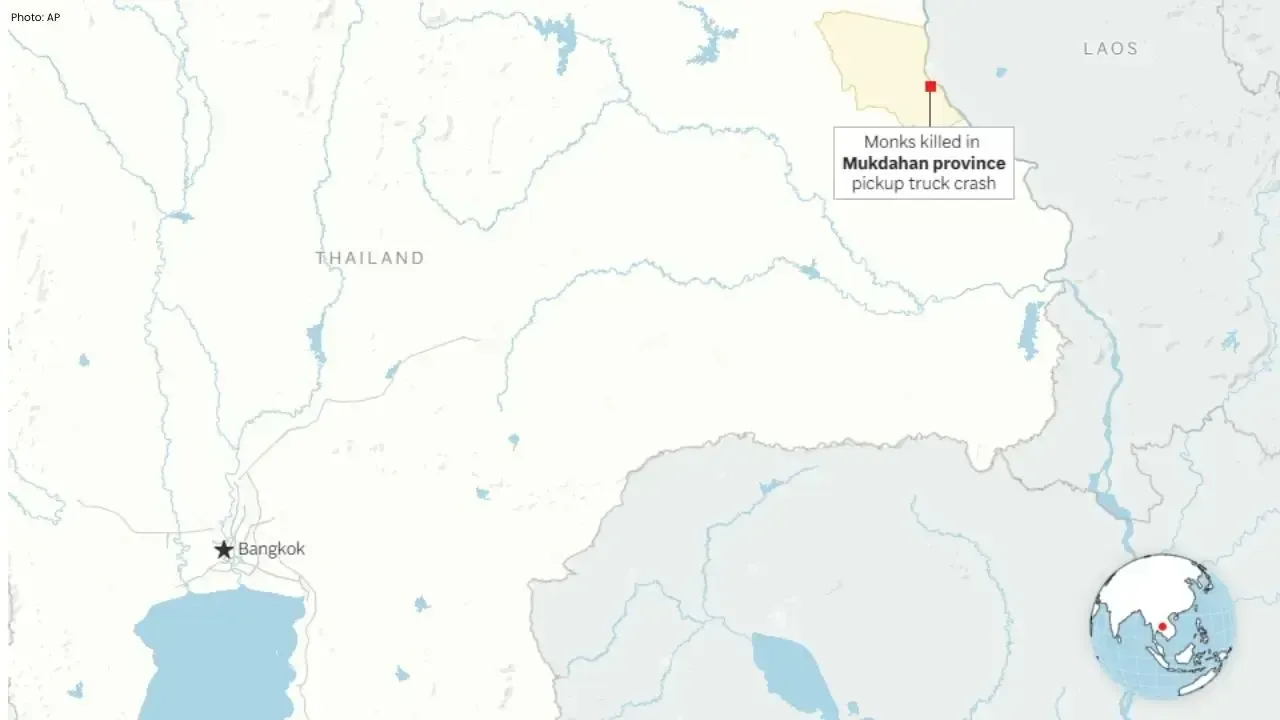
Nine Monks Killed in Thailand Pickup Truck Tragedy
An 11-year-old boy driving a pickup truck crashed into monks during a pilgrimage in northeastern Tha

Anwar Congratulates Xi on CPC's 105th Anniversary
Malaysia reaffirms strong ties with China as PM Anwar Ibrahim sends a congratulatory letter to Presi
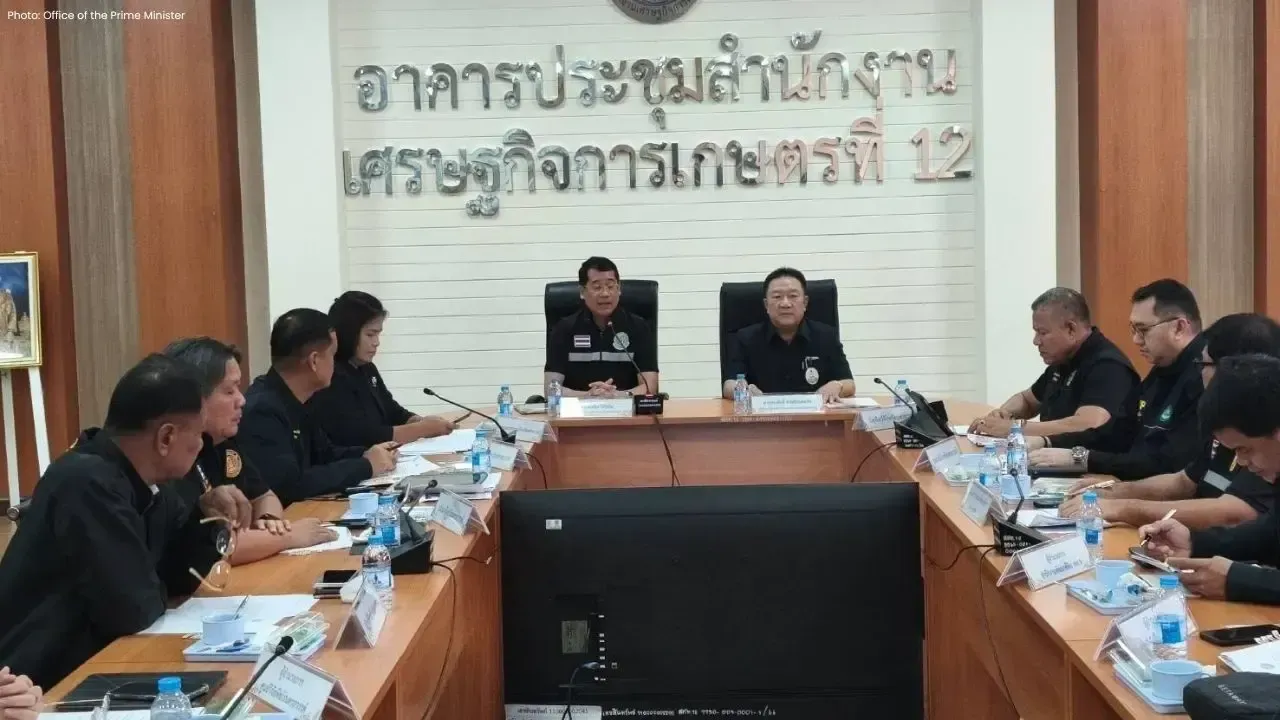
Thai Agriculture Team Reviews 2026 Farm Development Plans
Agriculture Ministry officials inspected livestock and organic rice projects in Nakhon Sawan to moni

Thailand, Canada Boost Ties in PM-Level Phone Talks
Thailand and Canada agreed to strengthen trade, security, OECD cooperation and ASEAN-Canada FTA talk