You have not yet added any article to your bookmarks!
Join 10k+ people to get notified about new posts, news and tips.
Do not worry we don't spam!
Post by : Anis Farhan
In recent years, the Gulf Cooperation Council (GCC) countries have introduced several reforms in their visa policies, marking a significant shift in the region’s approach toward tourism, business, and residency. These changes are designed to create a more welcoming environment for international visitors and long-term expatriates, reflecting the GCC’s vision for economic diversification and global integration. For frequent travelers, business professionals, and expatriates planning to settle in these nations, understanding these visa reforms is crucial for smooth transitions and informed decision-making.
The GCC nations—comprising Saudi Arabia, the United Arab Emirates (UAE), Kuwait, Qatar, Oman, and Bahrain—have historically relied heavily on oil revenues to sustain their economies. However, with global energy trends shifting and the push for sustainable development gaining momentum, these countries are diversifying their economies by focusing on sectors like tourism, finance, and technology. Visa reforms have emerged as a key tool to attract talent, encourage tourism, and foster business investment.
By simplifying visa processes and offering long-term residency options, GCC nations aim to position themselves as global hubs for business and leisure. For instance, initiatives like multi-entry tourist visas, remote work permits, and golden visas have transformed the region from a short-stay destination to a competitive market for expatriates and international corporations.
One of the most notable changes has been the introduction of multiple-entry tourist visas in the UAE and Saudi Arabia, allowing travelers to explore the region more freely without the hassle of repeated applications. These visas cater to tourists who wish to stay longer and enjoy the cultural, historical, and leisure offerings of the Gulf.
Golden Visa programs have also gained popularity, particularly in the UAE, offering long-term residency to investors, entrepreneurs, and skilled professionals. This policy shift reflects the Gulf’s strategic focus on attracting talent and fostering innovation-driven economies. Other countries, like Saudi Arabia and Bahrain, have introduced digital nomad and remote work visas, appealing to the growing community of location-independent professionals seeking a mix of modern infrastructure and lifestyle perks.
Additionally, reforms targeting family reunification and long-term stay options for retirees signify a departure from the traditional labor migration model. Previously, residency permits were strictly tied to employment, but now the focus is on creating a stable and inclusive environment for expatriates who wish to build their lives in the region.
The tourism industry is one of the main beneficiaries of these reforms. Gulf nations have invested heavily in infrastructure, luxury hospitality, and cultural attractions to appeal to international travelers. Saudi Arabia’s Vision 2030, for instance, has placed tourism at the heart of its economic diversification strategy, aiming to attract millions of visitors annually.
Business travel is also set to increase as simplified visa rules and extended stay options make the Gulf a more attractive destination for multinational corporations and startups. International events, conferences, and exhibitions in cities like Dubai, Riyadh, and Doha will likely see a surge in participation, further positioning the GCC as a global business hub.
For travelers, this means fewer bureaucratic hurdles, more opportunities for extended stays, and access to a region that combines modernity with deep cultural heritage. Whether it’s attending a global summit in Dubai or exploring the natural wonders of Oman, the new visa policies ensure a smoother experience for visitors.
While the reforms are promising, travelers must be aware of certain considerations before planning their trips. Each GCC country has its own set of rules, documentation requirements, and eligibility criteria for various visa types. For instance, golden visas often require a minimum investment threshold, while remote work visas may involve proof of employment and income.
Travelers should also be mindful of the cultural and legal frameworks that define life in the Gulf. Despite modernization, traditional values remain strong, and visitors are expected to respect local customs and laws. Being informed about social etiquette, dress codes, and legal norms will help avoid misunderstandings and ensure a pleasant experience.
Moreover, visa costs, processing times, and renewal requirements can vary significantly across countries. While some nations offer online applications and quick approvals, others may require in-person visits or longer processing periods. Planning ahead and consulting official immigration portals is essential for a hassle-free journey.
One of the most attractive aspects of the new visa policies is the opportunity for long-term residency. For entrepreneurs, investors, and skilled professionals, GCC nations are providing pathways to stability and growth. Golden Visa programs, for example, not only grant extended residency but also open doors to lucrative business opportunities in thriving sectors like real estate, technology, and renewable energy.
For retirees, destinations like the UAE and Oman are offering retirement visas, enabling individuals to enjoy a high standard of living in a region known for safety, connectivity, and tax advantages. These initiatives reflect the Gulf’s ambition to become a second home for global citizens, fostering a cosmopolitan environment that blends cultural richness with modern amenities.
Looking ahead, the trajectory of visa reforms in the GCC appears progressive and adaptive. As the global economy becomes increasingly interconnected and remote work trends continue to rise, Gulf nations are expected to further relax entry requirements, introduce specialized visas, and enhance digital platforms for processing applications.
The push toward smart governance and digital transformation will likely make visa procedures more efficient, reducing paperwork and offering real-time updates to applicants. Additionally, regional collaborations among GCC states could pave the way for unified visa schemes, similar to the Schengen model in Europe, enabling travelers to move seamlessly across member countries.
For businesses and individuals alike, these developments underscore the Gulf’s commitment to building a dynamic, globally integrated economy. By striking a balance between openness and regulation, the GCC is positioning itself as a leading destination for tourism, trade, and talent.
The information provided in this article is intended for general awareness and may not reflect the latest legal requirements or updates for each GCC country. Readers are advised to consult official government portals or authorized immigration experts for specific visa guidelines and policies.










Lamborghini Catches Fire on Singapore's ECP, Causing Heavy Traffic
A Lamborghini caught fire on Singapore's ECP, causing heavy traffic and bus delays. No injuries were

Bangkok Airport Duty-Free Area Flooded by Pipe Burst
A burst water pipe flooded the duty-free shopping area at Bangkok's Suvarnabhumi Airport on July 16,
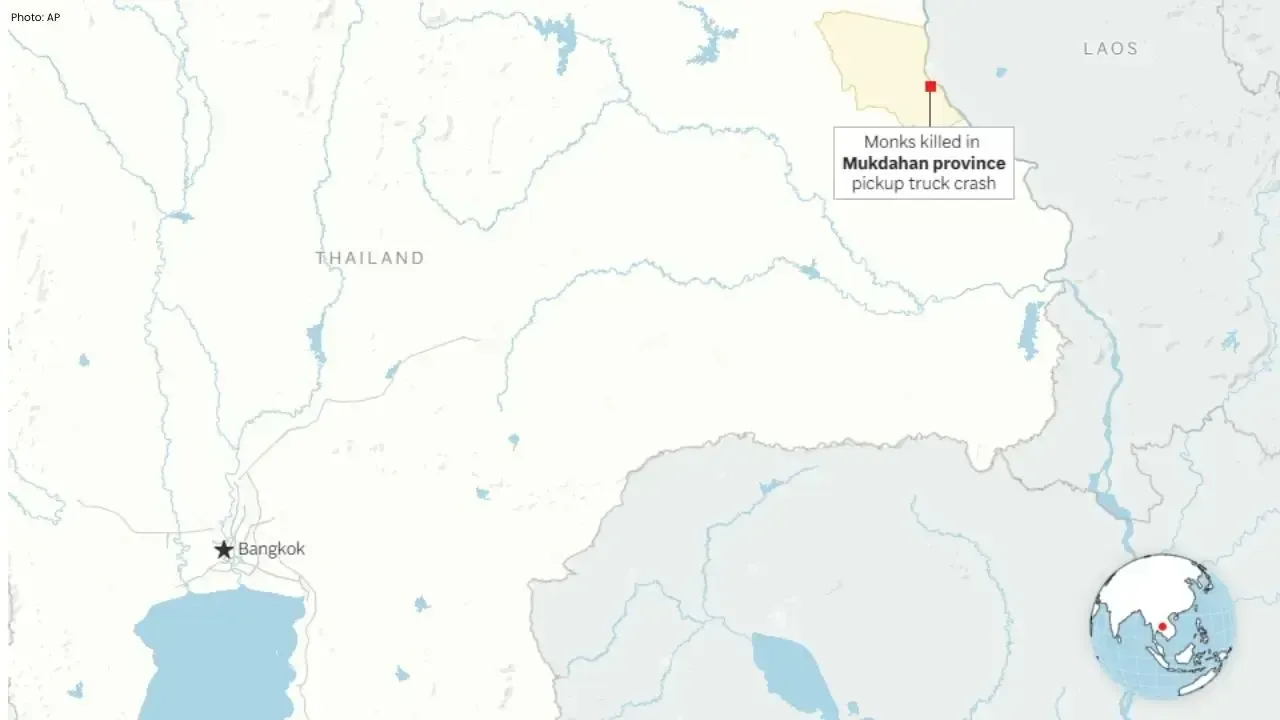
Nine Monks Killed in Thailand Pickup Truck Tragedy
An 11-year-old boy driving a pickup truck crashed into monks during a pilgrimage in northeastern Tha

Anwar Congratulates Xi on CPC's 105th Anniversary
Malaysia reaffirms strong ties with China as PM Anwar Ibrahim sends a congratulatory letter to Presi

Thai Agriculture Team Reviews 2026 Farm Development Plans
Agriculture Ministry officials inspected livestock and organic rice projects in Nakhon Sawan to moni

Thailand, Canada Boost Ties in PM-Level Phone Talks
Thailand and Canada agreed to strengthen trade, security, OECD cooperation and ASEAN-Canada FTA talk