
You have not yet added any article to your bookmarks!
Join 10k+ people to get notified about new posts, news and tips.
Do not worry we don't spam!
Post by : Rameen Ariff
The Caribbean nation of Trinidad and Tobago has authorized United States military aircraft to use its airports, raising concerns about a possible escalation in the region near Venezuela. The archipelago, located just about 12 kilometers from Venezuela at its closest point, has shown strong support for President Donald Trump’s campaign of military and economic pressure on Caracas.
According to Trinidad’s foreign ministry, the green light allows Washington to use local airports for logistical purposes, including supply replenishment and routine personnel rotations. Prime Minister Kamla Persad-Bissessar confirmed that the country is cooperating with the United States as it expands its military presence in the Caribbean.
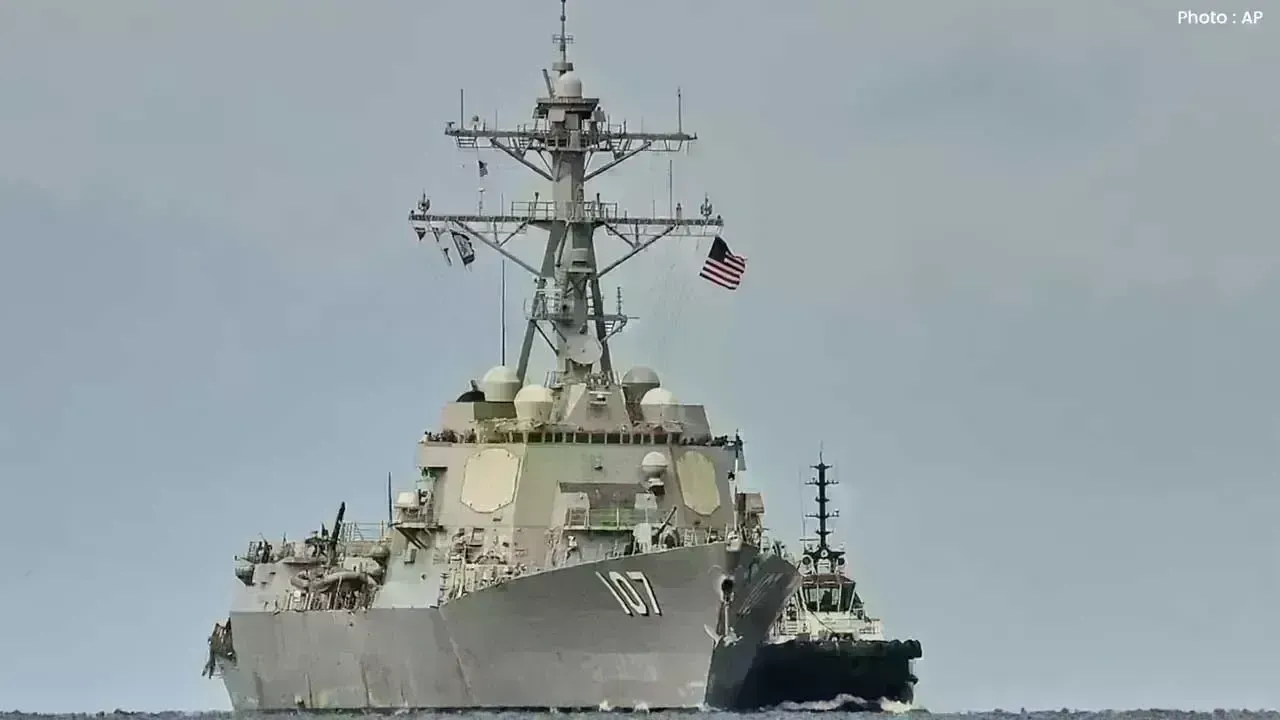
US officials have framed these operations as efforts to counter narco-terrorists, but experts note the move also reflects heightened pressure on Venezuela and its leftist leader, Nicolas Maduro, whom the US does not recognize as the legitimate president. In October, a US guided missile destroyer docked off Trinidad for four days of joint exercises within firing range of Venezuela. Last month, US Marines also participated in drills across the archipelago.
The United States has further strengthened its surveillance capabilities in the region by installing radar at a new airport in Tobago. Officials say this system is aimed at detecting Venezuelan drug trafficking and preventing sanctions-violating oil shipments. However, Caracas has criticized Trinidad and Tobago’s cooperation with the US. Venezuelan authorities accused the island nation of taking part in what they called the “theft” of Venezuelan oil after US forces seized a tanker reportedly violating sanctions. The move was denounced by Venezuela as an act of international piracy.
Vice President Delcy Rodriguez of Venezuela also accused Prime Minister Persad-Bissessar of pursuing a “hostile agenda” against Venezuela and reiterated that Caracas would halt natural gas exploration with its neighbor. Responding to the criticism, Trinidadian Foreign Minister Sean Sobers defended the decision as part of the government’s commitment to regional safety and security, emphasizing cooperation to protect Trinidad and Tobago and the wider Caribbean region.
As tensions continue to rise, the strategic location of Trinidad and Tobago has made the archipelago a critical hub for US military operations in the Caribbean, especially amid the growing confrontation between Washington and Caracas over oil, sanctions, and regional influence. Analysts believe the ongoing military collaboration highlights the increasing stakes for security and stability in the Caribbean.




Josh Kerr and Jakob Ingebrigtsen Set for 1,500m Rivalry Rematch
Josh Kerr and Jakob Ingebrigtsen will renew their 1,500m rivalry at the Ultimate Championship in Bud

PSG Coach Luis Enrique Urges Players to Step Outside Comfort Zone
PSG coach Luis Enrique says players must leave their comfort zone and keep improving as the club tar

China’s Tiangong Sets New 400m Record at Robot Olympics
China’s Tiangong robot sets a new 400m record at the Robot Olympics, beating a South African robot i

George Russell Wins Dutch GP Sprint, Boosts Mercedes Morale
George Russell wins the Dutch GP Sprint from pole as Mercedes teammate Kimi Antonelli extends his F1
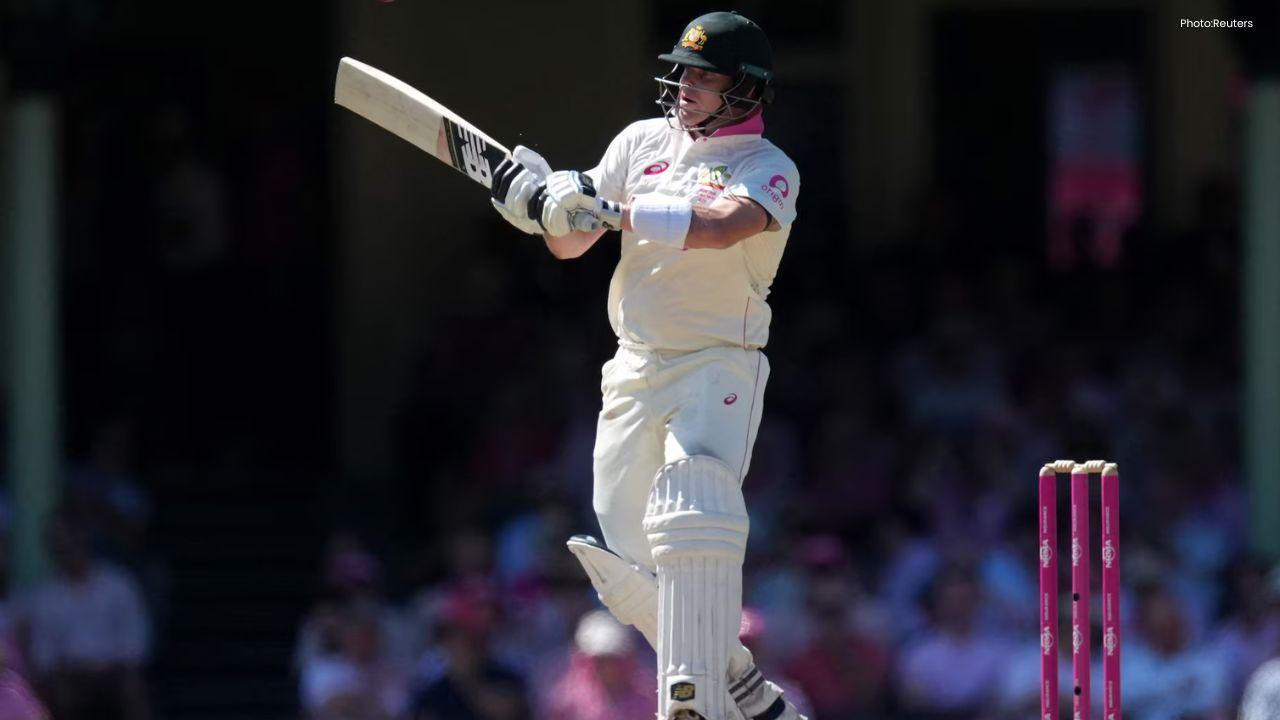
Australia 50/3 After Bangladesh Bowled Out for 64 in Second Test
Australia reached 50/3 after Bangladesh were bowled out for 64 in the second Test, with Mitchell Sta

Jordan Burroughs Returns to Wrestling with 2028 Olympic Dream
Jordan Burroughs returns to wrestling with Real American Freestyle as the Olympic champion eyes a po

