You have not yet added any article to your bookmarks!
Join 10k+ people to get notified about new posts, news and tips.
Do not worry we don't spam!
Post by : Saif Rahman
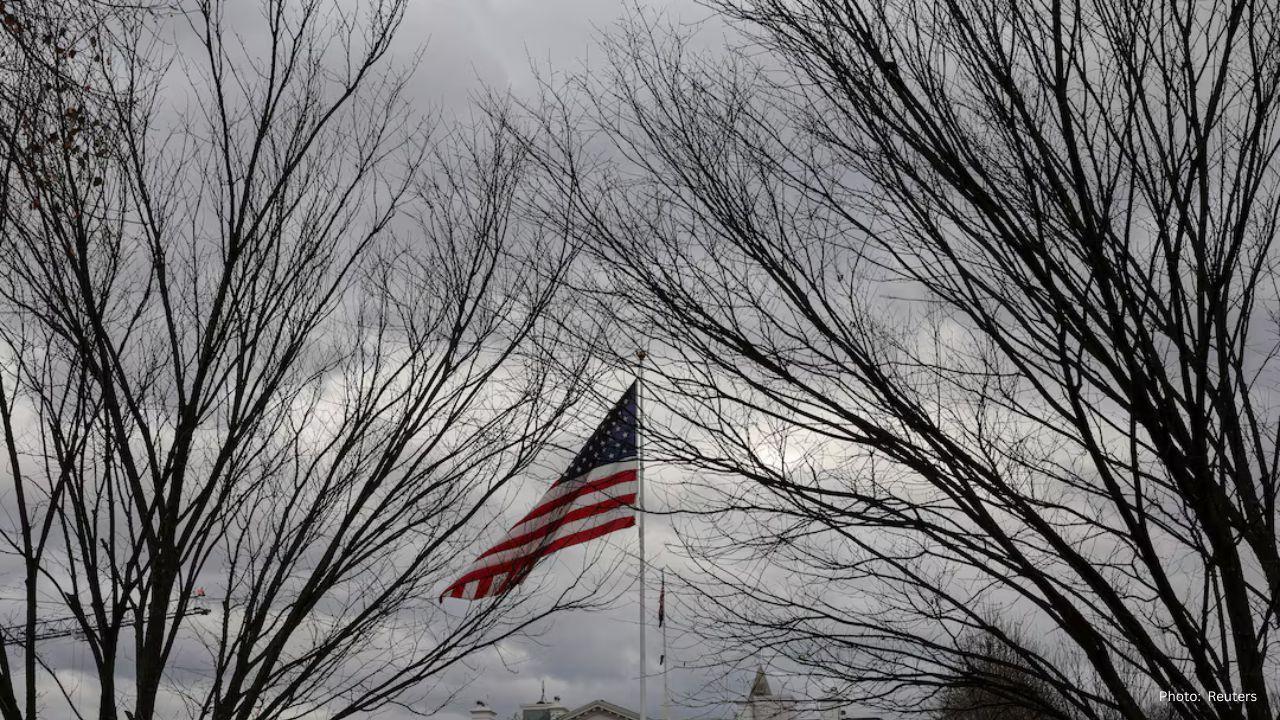
The U.S. military has been directed by the White House to intensify enforcement of stringent restrictions on Venezuelan oil exports for the upcoming two months. This strategic pivot indicates a preference for employing economic pressure rather than resorting to direct military confrontation in persuading the Venezuelan leadership to implement necessary changes.
A U.S. official noted that while military options remain on the table, the present focus is on utilizing sanctions and economic strategies. By restricting Venezuela’s oil sales, the U.S. aims to diminish financial resources available to President Nicolas Maduro’s administration, thereby compelling it to comply with U.S. expectations.
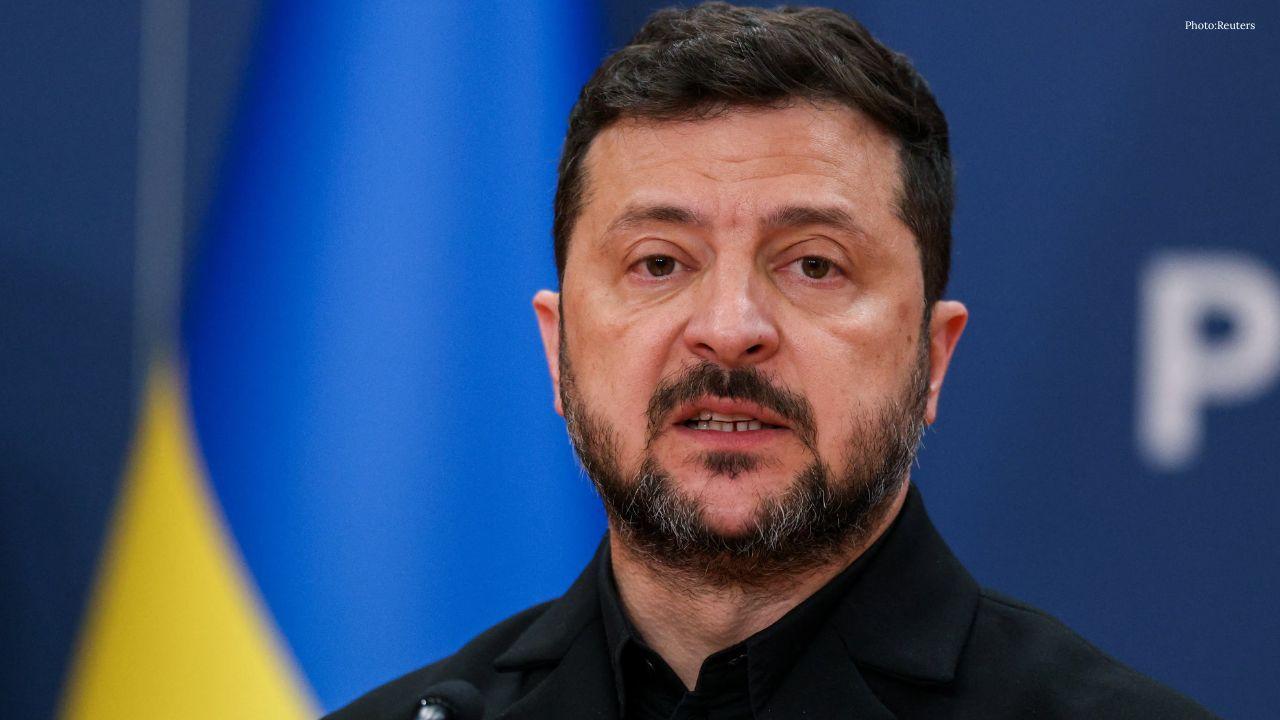
President Donald Trump has been vocally critical of Maduro and has expressed a desire for him to vacate his position. He suggested that without significant concessions, Venezuela could encounter severe economic challenges by late January, as oil is the crucial pillar of the nation’s revenue. Disrupting oil exports could pose a considerable threat to the economy.
Recent actions include the U.S. Coast Guard intercepting two oil tankers carrying Venezuelan crude in the Caribbean. Moreover, preparations are underway to seize another vessel currently under sanctions, part of a broader initiative to reinforce restrictions on Venezuelan oil movements.
The U.S. has also charged Venezuela with facilitating drug trafficking into North America, with the Trump administration actively asserting its naval presence and signaling that stronger actions might ensue. These measures have met with criticism from various nations, which warn that they could infringe upon international law.
In response, Venezuela has rejected the U.S. claims, with its ambassador to the United Nations asserting that Venezuela presents no threat, asserting that real danger emanates from U.S. activities. Caracas contends that economic sanctions primarily impact ordinary citizens rather than political figures.
The Caribbean is home to a significant U.S. military presence, comprising thousands of troops, warships, and aircraft. Although some forces are positioned to monitor and halt oil shipments, many are not specifically designated for sanction enforcement. Nevertheless, their deployment conveys a robust signal of pressure.
Interestingly, U.S. officials prefer the term “quarantine” over “blockade,” mindful of the latter's implications of an act of war. The former was notably applied during the 1962 Cuban missile crisis as a means to avert direct military conflict.
This strategic shift by the White House underscores a determined effort to leverage economic mechanisms to influence political dynamics in Venezuela. The efficacy of this approach remains to be seen, but it has already escalated tensions in the region, attracting significant international scrutiny.
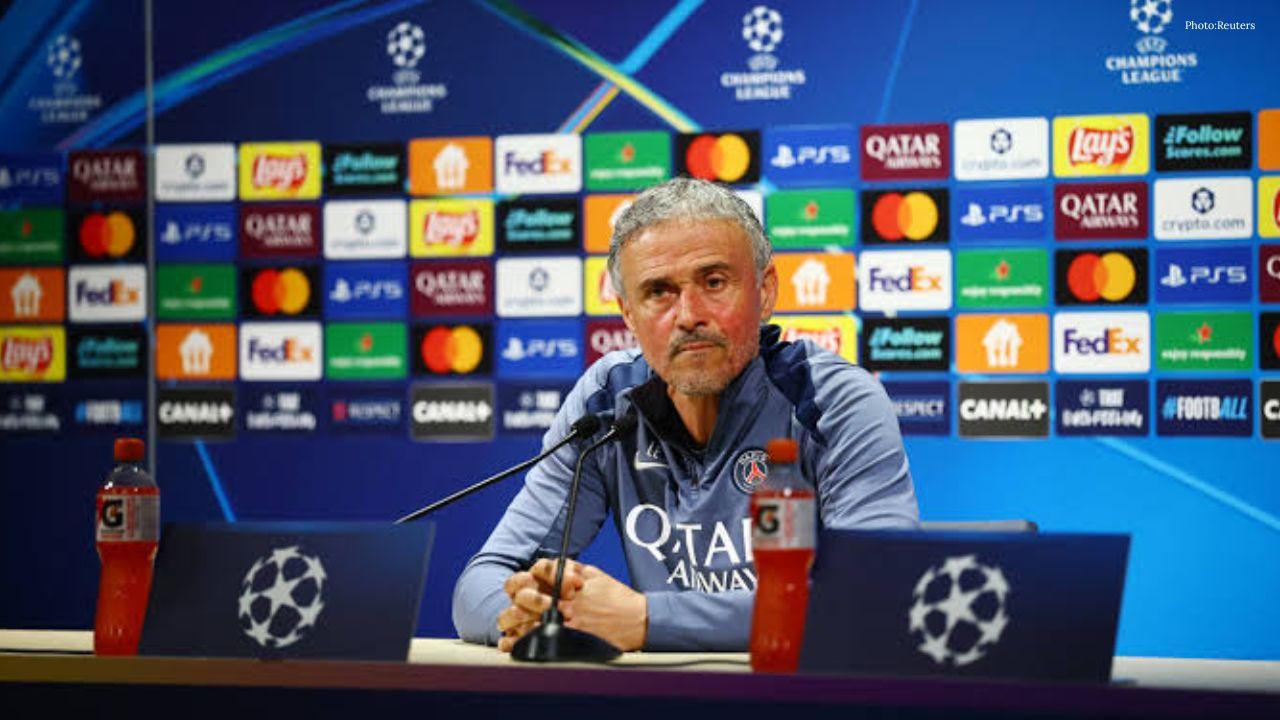



PSG Coach Luis Enrique Urges Players to Step Outside Comfort Zone
PSG coach Luis Enrique says players must leave their comfort zone and keep improving as the club tar

China’s Tiangong Sets New 400m Record at Robot Olympics
China’s Tiangong robot sets a new 400m record at the Robot Olympics, beating a South African robot i

George Russell Wins Dutch GP Sprint, Boosts Mercedes Morale
George Russell wins the Dutch GP Sprint from pole as Mercedes teammate Kimi Antonelli extends his F1

Australia 50/3 After Bangladesh Bowled Out for 64 in Second Test
Australia reached 50/3 after Bangladesh were bowled out for 64 in the second Test, with Mitchell Sta

Jordan Burroughs Returns to Wrestling with 2028 Olympic Dream
Jordan Burroughs returns to wrestling with Real American Freestyle as the Olympic champion eyes a po

Lamborghini Catches Fire on Singapore's ECP, Causing Heavy Traffic
A Lamborghini caught fire on Singapore's ECP, causing heavy traffic and bus delays. No injuries were