
You have not yet added any article to your bookmarks!
Join 10k+ people to get notified about new posts, news and tips.
Do not worry we don't spam!
Post by : Saif Rahman
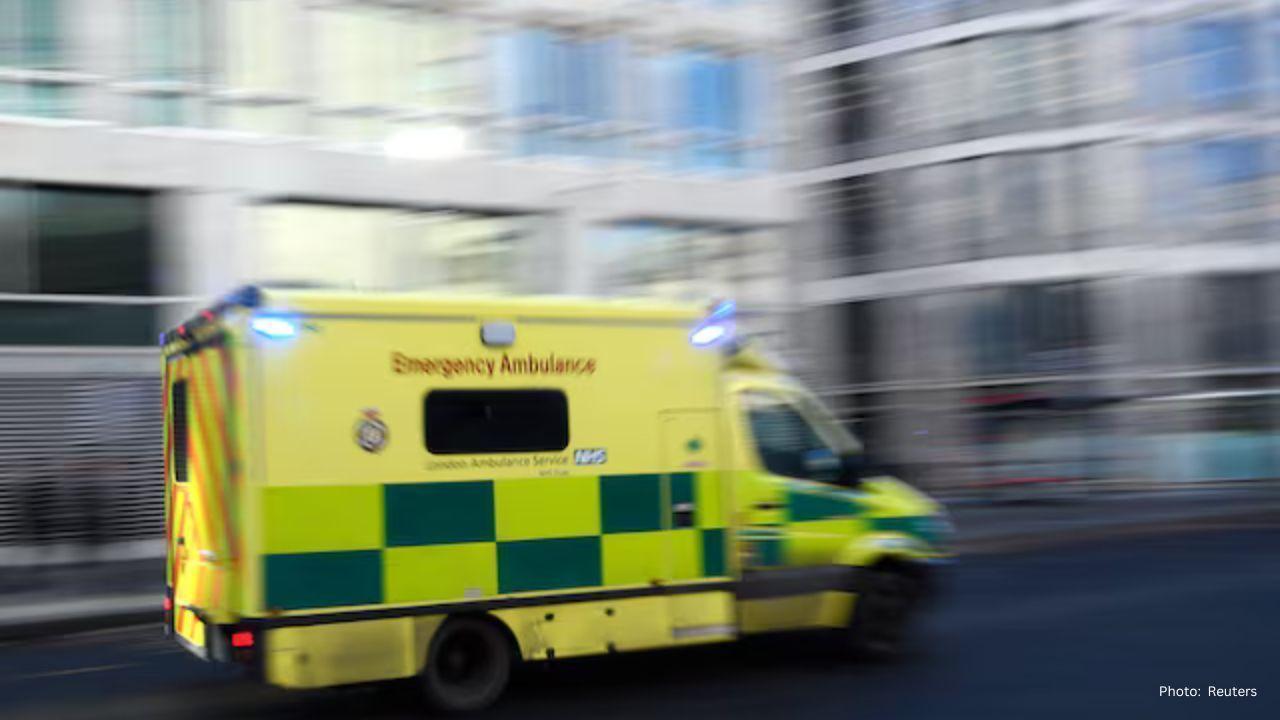
The UK has announced it will enhance its spending on National Health Service (NHS) medicines by £1.5 billion (approximately $2 billion) over the next three years, as reported by the Financial Times. This commitment is aimed at steering clear of new drug import tariffs previously hinted at by U.S. President Donald Trump.
This deal is intended to shield the UK from tariffs that could raise the costs of essential medicine imports. These tariffs are part of a broader U.S. strategy to press trading partners into new drug pricing and market access agreements.
With this arrangement, the UK's NHS medicine expenditure is expected to increase from 0.3% to 0.35% of national GDP by the end of 2028. The increase is designed to illustrate Britain's dedication to enhancing healthcare funding and backing pharmaceutical manufacturers.
Sources familiar with the matter indicated to the Financial Times that this commitment was vital for obtaining tariff exemptions and preventing potential disruptions in medicine supplies, as the NHS heavily relies on imported drugs. Additional costs could further strain the health system, which is already under significant pressure.
This decision comes at a challenging time for the NHS, facing demands such as increased patient volume, workforce shortages, and financial strains. Boosting medicine expenditure could facilitate access to more effective treatments, although some may question whether the move was primarily influenced by U.S. pressure rather than by domestic health requirements.
The looming tariff threats underscore the evolving dynamics of U.S.-UK trade relations. As global trade tensions escalate and the U.S. adopts a more confrontational stance under Trump's leadership, countries have increasingly found themselves in rapid negotiations to protect their industries.
For the UK, the implications of this matter are particularly significant. The country is still dealing with the aftermath of Brexit, making its trading relationships even more crucial. Ensuring unhindered access to medicines is essential not just for its healthcare system but also for maintaining public confidence.
Although the additional £1.5 billion for NHS medicines could bolster the service, it raises critical inquiries. Will this expenditure ensure fair pricing for consumers? Will it improve health outcomes? And to what extent should foreign governments influence national healthcare policies?
Supporters contend that evading tariffs is crucial, and additional resources will benefit the NHS. Conversely, there are concerns that the UK may have established a precedent by conceding to external pressure. As more details about the agreement emerge, the government could encounter heightened scrutiny from lawmakers, healthcare specialists, and the public.
Ultimately, it is evident that the NHS is a fundamental element of British society, and funding decisions will invariably generate discussion. The upcoming months will reveal whether this fresh spending strategy can safeguard both the healthcare system and the nation's broader economic interests.
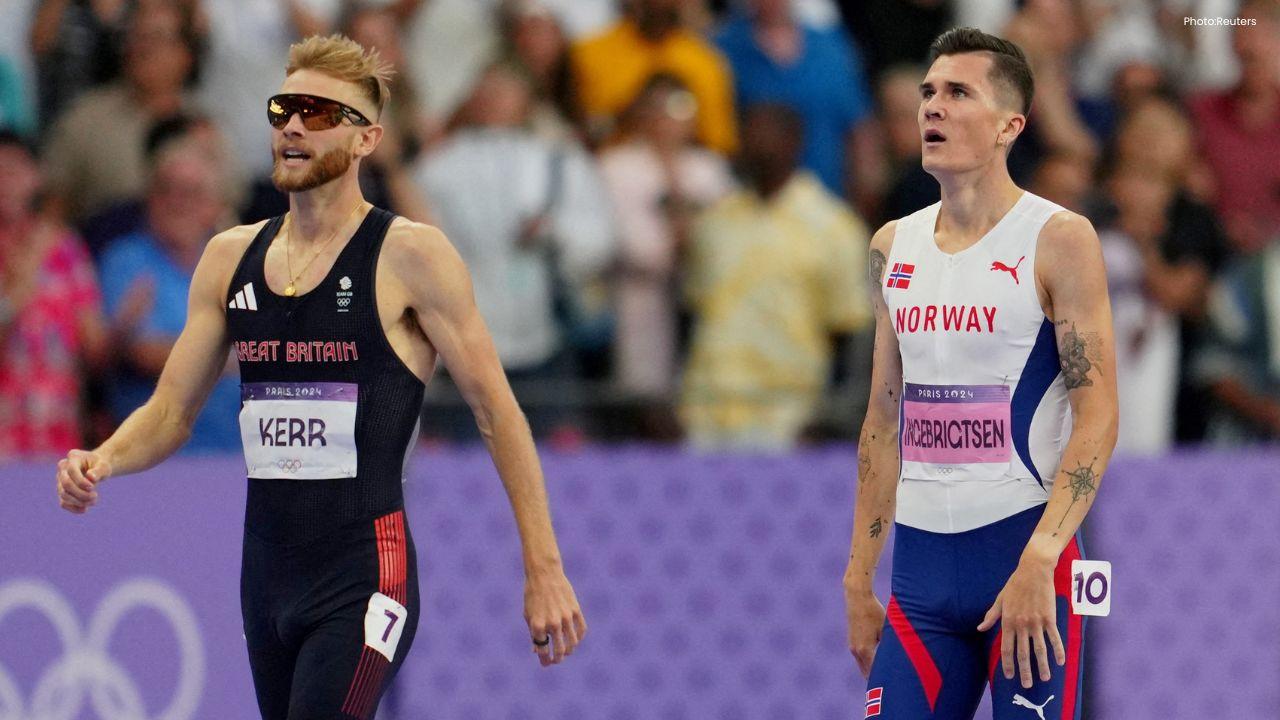




Josh Kerr and Jakob Ingebrigtsen Set for 1,500m Rivalry Rematch
Josh Kerr and Jakob Ingebrigtsen will renew their 1,500m rivalry at the Ultimate Championship in Bud

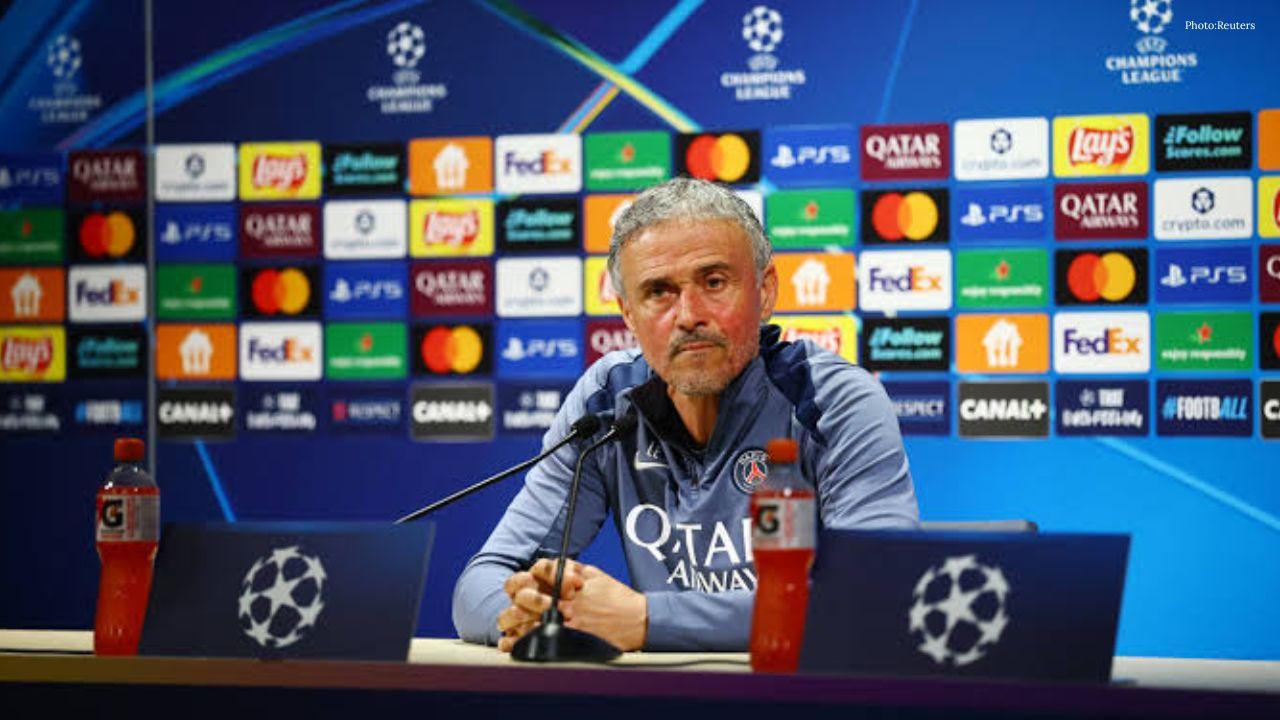
PSG Coach Luis Enrique Urges Players to Step Outside Comfort Zone
PSG coach Luis Enrique says players must leave their comfort zone and keep improving as the club tar

China’s Tiangong Sets New 400m Record at Robot Olympics
China’s Tiangong robot sets a new 400m record at the Robot Olympics, beating a South African robot i

George Russell Wins Dutch GP Sprint, Boosts Mercedes Morale
George Russell wins the Dutch GP Sprint from pole as Mercedes teammate Kimi Antonelli extends his F1
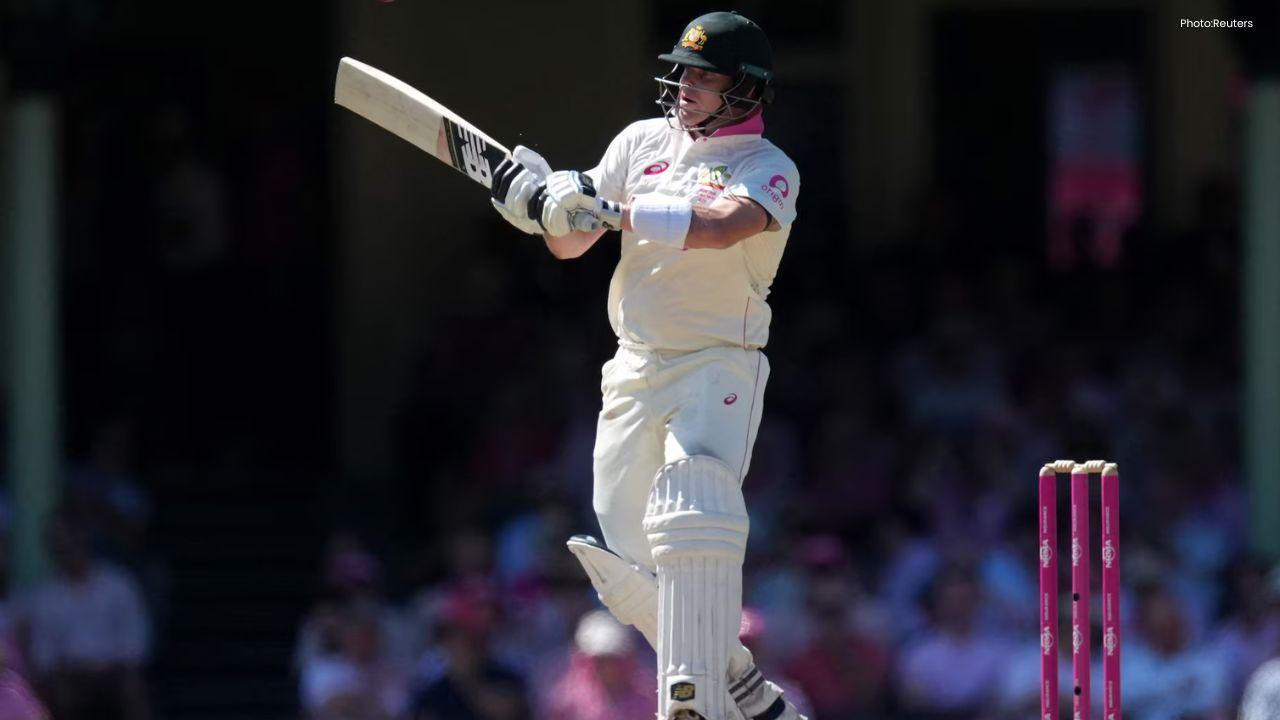
Australia 50/3 After Bangladesh Bowled Out for 64 in Second Test
Australia reached 50/3 after Bangladesh were bowled out for 64 in the second Test, with Mitchell Sta

Jordan Burroughs Returns to Wrestling with 2028 Olympic Dream
Jordan Burroughs returns to wrestling with Real American Freestyle as the Olympic champion eyes a po

