
You have not yet added any article to your bookmarks!
Join 10k+ people to get notified about new posts, news and tips.
Do not worry we don't spam!
Post by : Saif Rahman
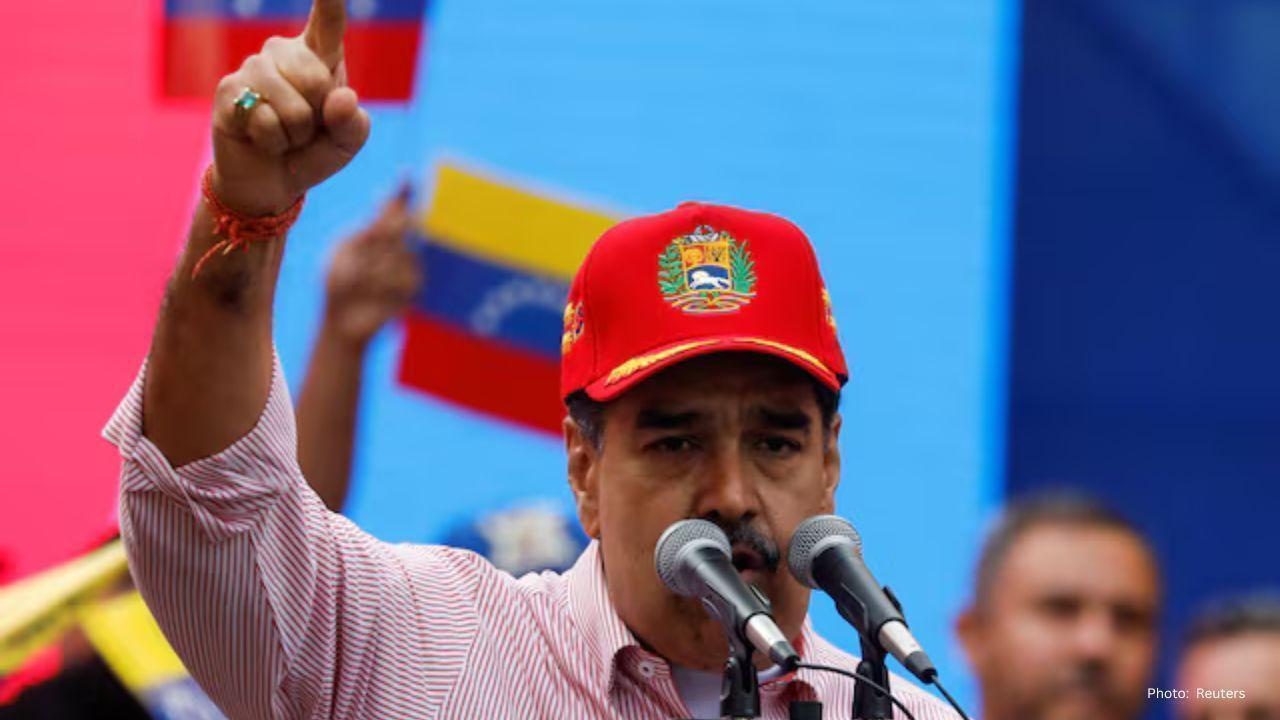
The political turmoil in Venezuela has escalated dramatically following revelations about a private conversation between President Nicolas Maduro and U.S. President Donald Trump. This exchange, which took place on November 21, underscores Maduro's diminishing negotiating power and the unwavering stance of the United States. As details emerge, it becomes increasingly apparent that Maduro's options for a safe exit are rapidly vanishing.
Venezuela has been grappling with severe issues, including economic collapse, widespread migration, and mounting political pressure. The Trump administration has adopted a confrontational approach toward Maduro, accusing him of various crimes, including drug trafficking and human rights violations, while Maduro maintains that the U.S. aims to manipulate Venezuela’s rich oil and mineral resources.
During the November phone call, sources revealed that Maduro urged Trump for extensive guarantees in exchange for his resignation. He sought full immunity for himself and his family, repeal of U.S. sanctions, and the cessation of a significant case pending against him at the International Criminal Court. Additionally, Maduro requested the lifting of restrictions on over 100 Venezuelan officials implicated in serious crimes as per U.S. claims.
He even suggested appointing his ally, Vice President Delcy Rodríguez, to oversee an interim government prior to new elections, indicating that he was only willing to step down if the political framework he established would persist.
Trump rejected the majority of Maduro's demands during their brief discussion, which lasted under 15 minutes. He issued an ultimatum for Maduro to leave Venezuela with his family within one week, after which he would face restrictions on his movements, highlighted by Trump’s announcement that Venezuela’s airspace was “closed.”
While the White House remains tight-lipped about further details, Trump has confirmed that the call indeed took place.
This dialogue occurred amidst escalating U.S. pressure against Venezuela, including military actions targeting suspected drug-smuggling vessels in the Caribbean, and Trump suggesting possible ground operations within Venezuelan territory, hinting at covert CIA operations authorized within the nation.
In addition, the U.S. has placed substantial bounty rewards on notable Venezuelan figures, with Maduro having a $50 million reward for information leading to his arrest, while other prominent officials face $25 million bounties each. They maintain their innocence but are under substantial pressure from U.S. legal systems.
Maduro's administration has already requested to reestablish dialogue with Trump, aiming to reopen negotiations. However, it remains uncertain if Trump is interested in further talks, especially given the significant disagreements that still exist. Should negotiations be feasible, the differences in terms appear vast.
Domestically, Maduro continues to assert his position, addressing large audiences and pledging “absolute loyalty” to Venezuelans. Yet, this bravado cannot conceal the dwindling options before him. With U.S. offers for safe passage having evaporated and increasing military as well as diplomatic pressures, Maduro's future hangs on his ability to navigate a path that avoids direct confrontation.
This situation presents both an opportunity and a risk for Washington. If pressure is applied excessively, Maduro might entrench himself further, potentially leading Venezuela into deeper instability. Conversely, excessive leniency could allow him to evade accountability. Global observers are keenly attuned to whether the upcoming resolutions will pivot toward diplomacy or aggression.
The ongoing crisis in Venezuela illustrates a precarious balance among justice, international law, and political maneuvers. The resolution is far from imminent, yet this call may serve as a pivotal moment, either steering the country toward a negotiated resolution or escalating into a perilous clash.





Hyundai raises profit target, expands hybrid lineup in the US
Hyundai hybrid cars get a major boost as the automaker raises its profit margin target and plans new

Josh Kerr and Jakob Ingebrigtsen Set for 1,500m Rivalry Rematch
Josh Kerr and Jakob Ingebrigtsen will renew their 1,500m rivalry at the Ultimate Championship in Bud
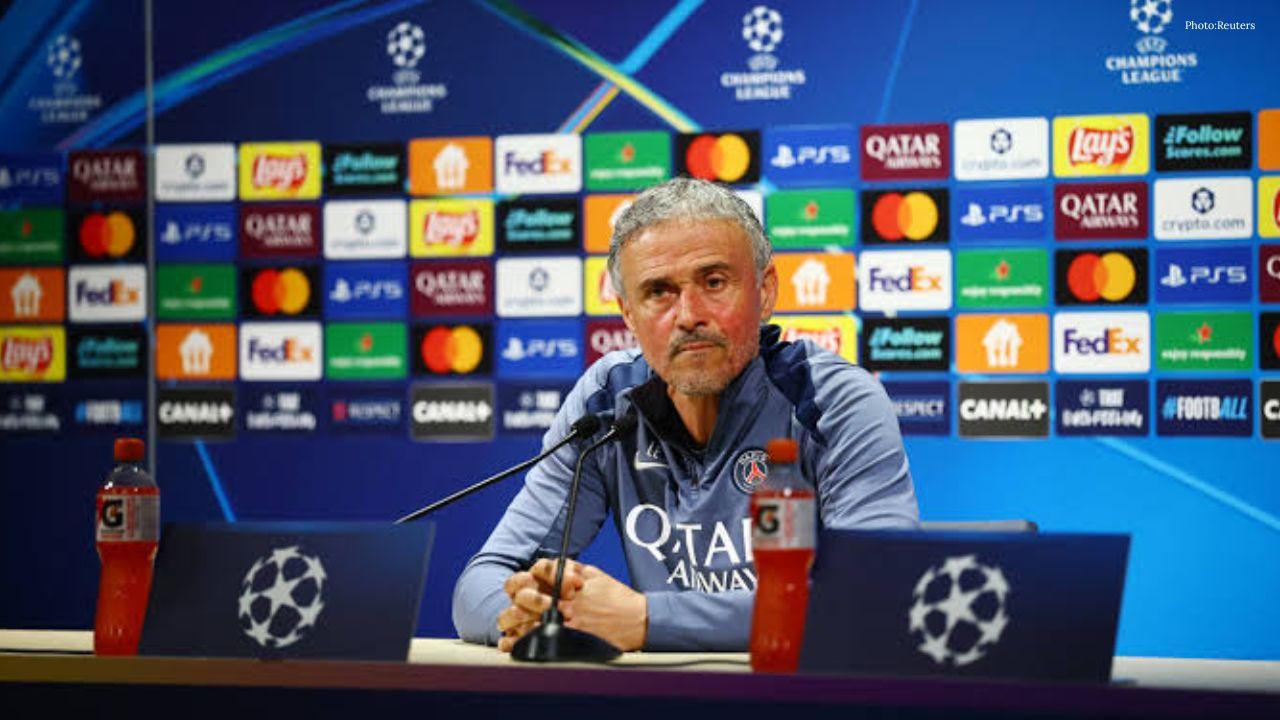
PSG Coach Luis Enrique Urges Players to Step Outside Comfort Zone
PSG coach Luis Enrique says players must leave their comfort zone and keep improving as the club tar

China’s Tiangong Sets New 400m Record at Robot Olympics
China’s Tiangong robot sets a new 400m record at the Robot Olympics, beating a South African robot i

George Russell Wins Dutch GP Sprint, Boosts Mercedes Morale
George Russell wins the Dutch GP Sprint from pole as Mercedes teammate Kimi Antonelli extends his F1

Australia 50/3 After Bangladesh Bowled Out for 64 in Second Test
Australia reached 50/3 after Bangladesh were bowled out for 64 in the second Test, with Mitchell Sta

