
You have not yet added any article to your bookmarks!
Join 10k+ people to get notified about new posts, news and tips.
Do not worry we don't spam!
Post by : Shweta
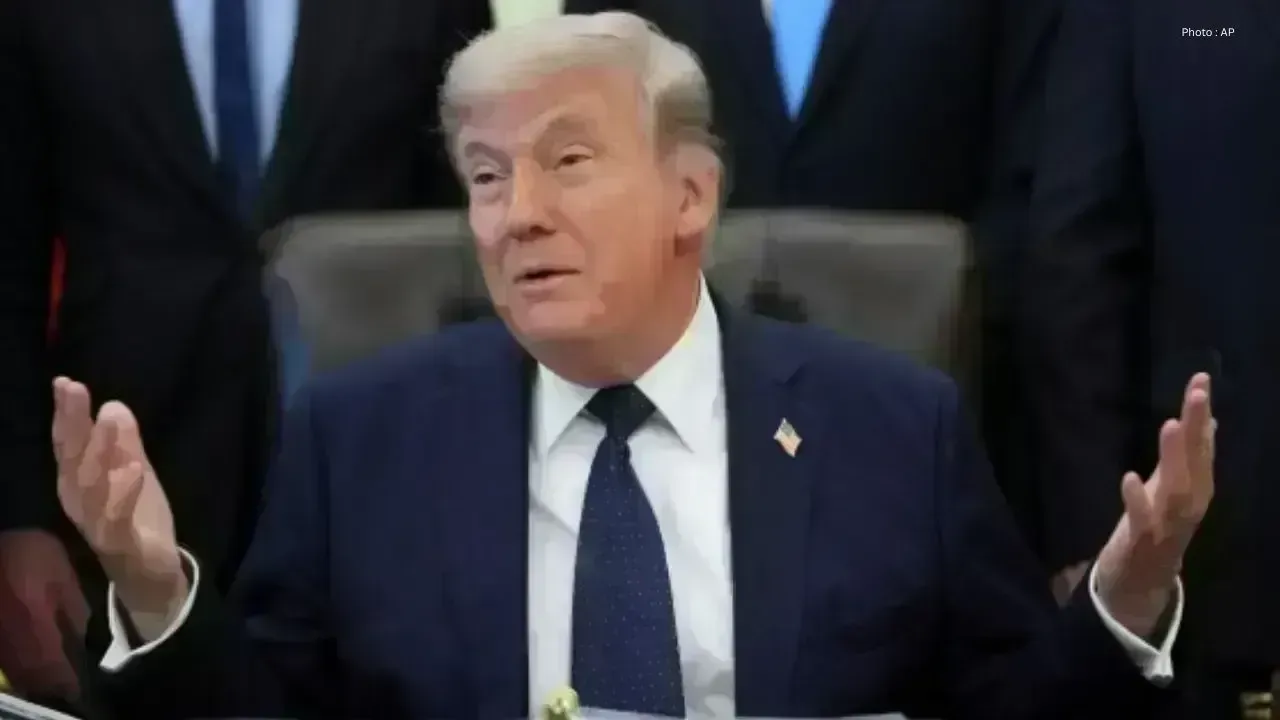
In a significant development, Donald Trump has unveiled a groundbreaking arrangement with Regeneron aimed at slashing prescription drug prices across the United States. This initiative is part of a larger strategy to introduce “most-favored-nation” (MFN) pricing, ensuring that American consumers pay prices akin to the lowest rates available in other developed nations. This marks the 17th agreement made with top pharmaceutical firms, encompassing a substantial segment of the branded drug market.
As part of the deal, State Medicaid programs nationwide will have access to reduced prices for new Regeneron products. This initiative is anticipated to save hundreds of millions of dollars and enhance affordability for patients reliant on government health programs. Moreover, the policy seeks to deter foreign markets from taking advantage of lower costs while American consumers are left to pay higher prices, a scenario frequently criticized by lawmakers.
A notable highlight of this deal is the substantial price reduction for Regeneron’s cholesterol medication, Praluent, slashing its cost from $537 to $225 when purchased via a government-supported platform. Furthermore, any future medications developed by the company will adhere to the MFN pricing model, facilitating long-term cost management for new therapeutic options entering the marketplace.
Another key announcement is the launch of a novel gene therapy named Otarmeni, aimed at addressing a rare genetic type of hearing loss. Eligible patients in the United States will receive this therapy at no cost. This innovative treatment received swift approval from the Food and Drug Administration through their fast-track review process, designed to expedite access to vital treatments.
Additionally, the agreement entails a significant financial investment from Regeneron, which plans to allocate $27 billion in the United States by 2029 to enhance research, development, and manufacturing. This investment is expected to bolster domestic pharmaceutical production and lessen dependence on international supply chains.
In summary, this agreement illustrates the ongoing commitment of the administration to mitigate healthcare expenses, broaden access to medications, and encourage pharmaceutical firms to invest more heavily in the United States. Officials assert that these agreements could transform global drug pricing dynamics and yield lasting advantages for American patients.










PM Modi Pays Tribute to Mahatma Gandhi, Urges People to Support Khadi
PM Modi pays tribute to Mahatma Gandhi on Gandhi Jayanti and urges citizens to support Khadi and the

Amazon Seeks to Offload $8 Billion in Nvidia Chips to Investors
Amazon plans to move $8 billion in Nvidia chips to investors, using a new financing model to strengt

Samsung Raises Galaxy S26 Prices as Memory Chip Costs Rise
Samsung raises Galaxy S26 prices in South Korea as rising memory chip costs put pressure on smartpho

Lewis Hamilton Calls Singapore Grand Prix One of F1's Toughest Races
Lewis Hamilton discusses the demanding Singapore Grand Prix and brings Plus44 and Almave to Singapor

Denmark's Pandora Opens World's Largest Jewellery Factory in Vietnam
Pandora opens its largest jewellery factory in Vietnam, expanding global production, strengthening s

Gautam Gambhir Questions Batting-Friendly Pitches After India's Record ODI Chase
Gautam Gambhir questions batting-friendly ODI pitches after India’s record chase, calling for a bett

